


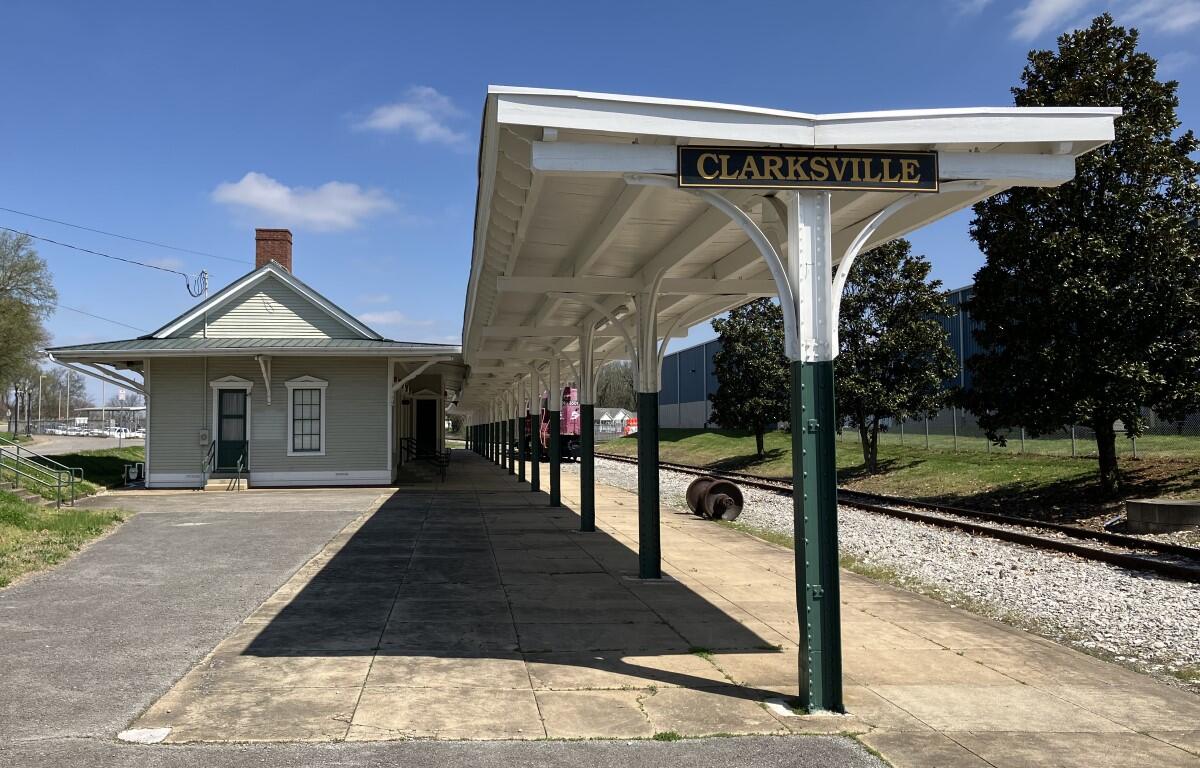

CLARKSVILLE, TN (CLARKSVILLE NOW) – It’s easy for current residents to think Clarksville is all about Fort Campbell, Wilma Rudolph Boulevard and “Let’s Go Peay!” But who we are now is an outcome of so much more than that, and our identity as a city has shifted in significant ways over the last two centuries.
Two centuries? Yes, 242 years, actually. The Montgomery County area was first explored by Europeans in 1775, starting with John Montgomery. He helped establish the town of Clarksville in 1784, a full 12 years before Tennessee was even granted statehood.
In recognition of America’s 250th anniversary, here are 10 pivotal moments in Clarksville history that critically shaped who we are today but in many cases have been forgotten. Let’s do these in order.
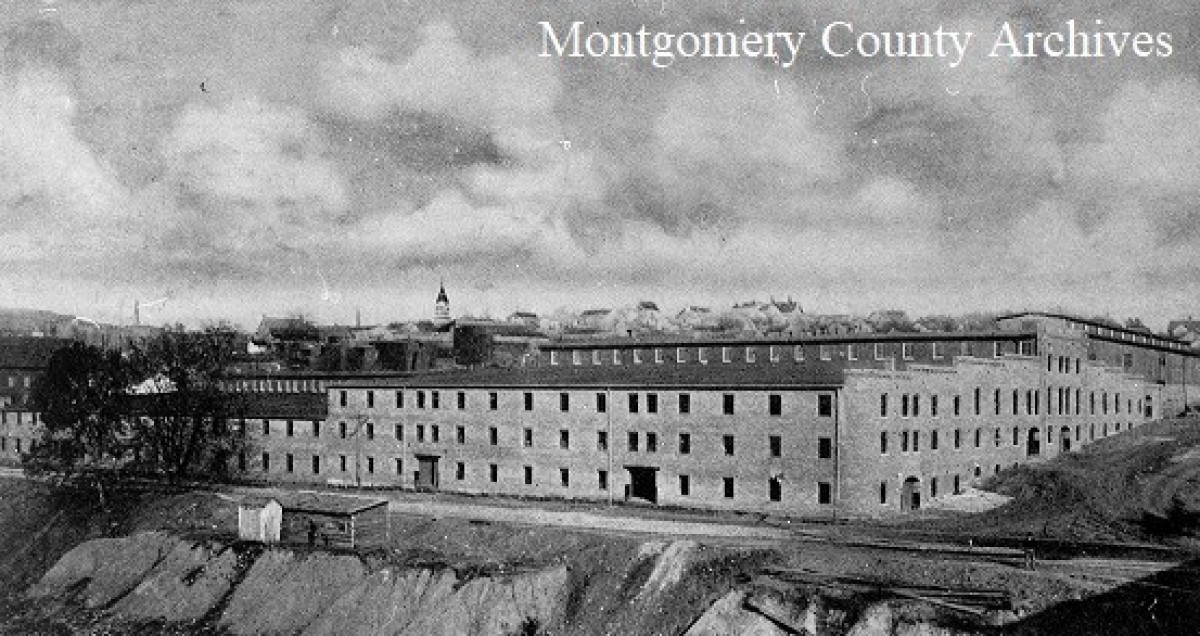
1. Opening of Tobacco Exchange, 1858
How it happened: Cotton may be king in much of the South, but the Clarksville area never had the rich soil needed for that crop to thrive. But tobacco? That was another matter. Our region is perfect for “dark-fired tobacco,” which is cured over open fires and used in pipes, cigars and chewing tobacco. Farmers would bring their cured leaves to Clarksville, where “stemmeries” removed the stems, packed the tobacco for storage and shipped it along the Cumberland River to the Ohio, the Mississippi and on to New Orleans, where it was distributed worldwide and was particularly popular in Europe. At one point, Clarksville’s Type 22 tobacco was labeled the “Strongest tobacco in the world” thanks to 7% nicotine. A series of stemmeries and warehouses evolved, and they were consolidated in 1858 to create the Clarksville Tobacco Exchange.
What it meant: In 1858, Clarksville was shipping almost 18,000 hogsheads (large barrels) of tobacco a year, valued at $2.39 million ($97 million in today’s dollars). The rising tobacco industry catapulted our economy, creating a domino of support businesses, banks, doctor’s offices, schools and theaters. In only 40 years – from 1820 to 1860 – Clarksville grew from less than 300 citizens to 5,000, with a total Montgomery County population growing from 12,200 to over 21,000. While no longer our dominant industry today, Clarksville was built on tobacco.
| NEW TO CLARKSVILLE? Check out our Newcomer’s Guide
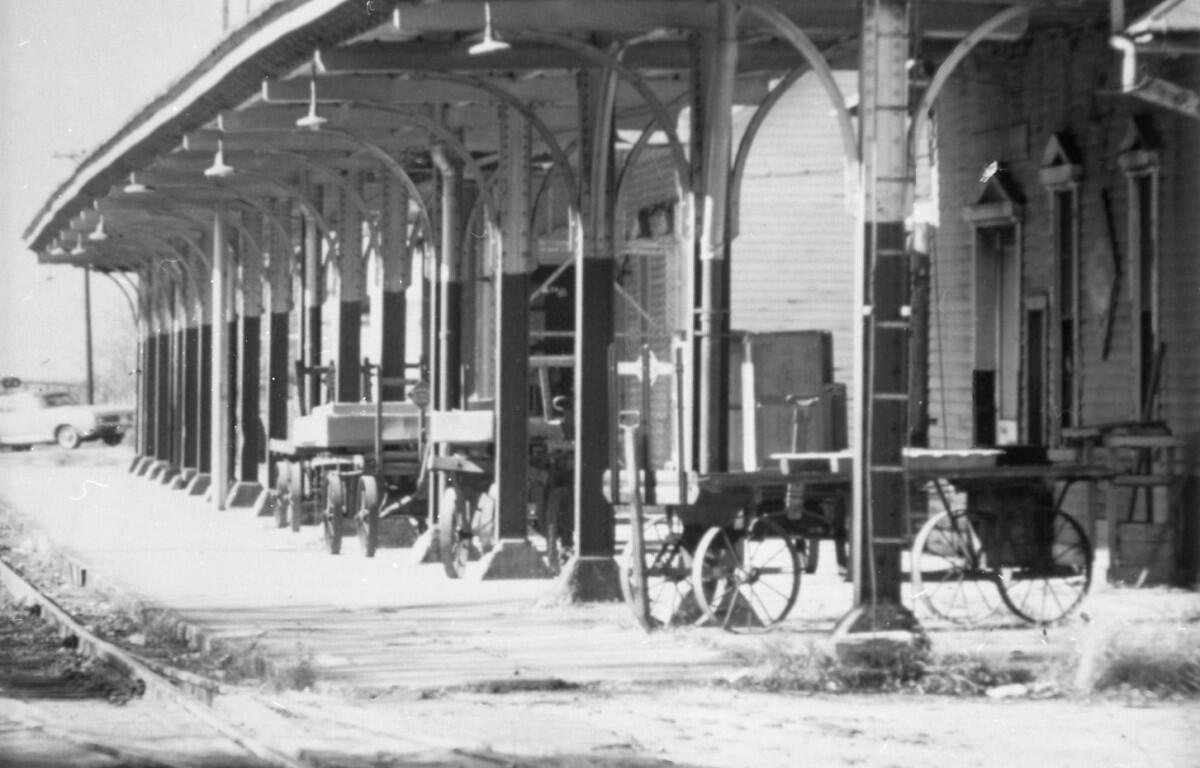
2. Memphis, Clarksville, Louisville railroad, 1859
How it happened: Prior to 1859, travel in Clarksville was limited to horses and boats. Our first railroad came thanks to the Memphis, Clarksville and Louisville Railroad Company, which laid tracks through town on a path connecting Memphis to Bowling Green, Kentucky. The first passenger depot was at the corner of Spring Street and Adams Street, near the Cumberland River bridge. Travel opened in October 1859, when the railway between Clarksville and Guthrie, Kentucky, was complete. The draw bridge over the Cumberland opened in August 1860, and daily passenger service to Memphis began in January 1861. Following the war and several business disputes, the railway was purchased in 1871 by the Louisville & Nashville Railroad, and they opened the L&N Depot at 10th and Commerce in 1882.
What it meant: The train depot became the central location for some pivotal points in local history, including a 1918 gathering of over 1,000 people to say goodbye to the first 78 men leaving for duty in World War I, and then a 1931 circus train unloading nine elephants, plus lions and camels. At its height in 1922, 10 northbound passenger trains and eight southbound trains stopped daily at the Clarksville depot. All of that began to decline with the rise of automobiles in the 1920s. While freight service continues, the final passenger ticket was sold in February 1968. Our train identity has lived on thanks to the 1966 Monkees’ hit “Last Train to Clarksville.” The song wasn’t written about us, but we’ve claimed it as our own.
| GET YOUR LOCAL MORNING NEWS: Sign up for our free daily email newsletter.
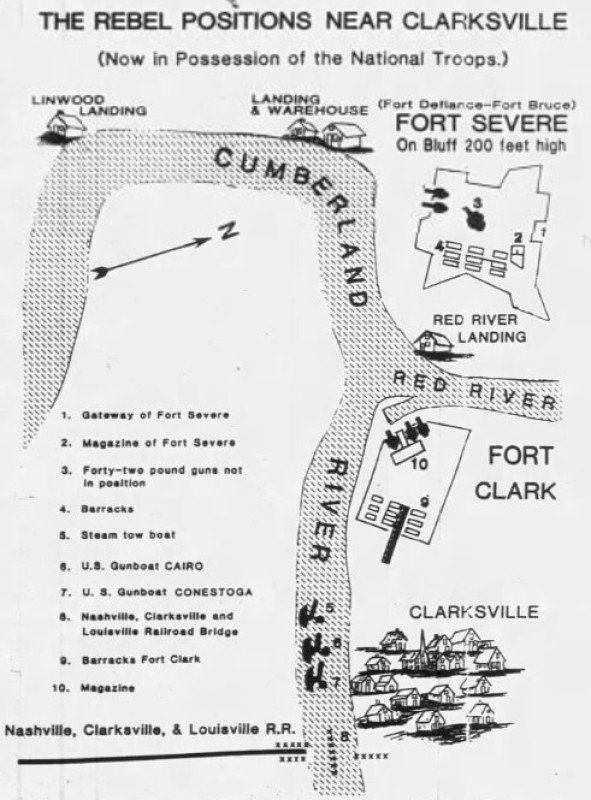
3. Civil War surrender of Clarksville, 1862
How it happened: When the Civil War broke out, the hilltop just north of the confluence of the Cumberland River and Red River, which had served as a fort before, was chosen by Confederate troops to become what was later called Fort Defiance. Much of Clarksville’s fate, though, depended on what happened downstream on the Cumberland near Dover, at Fort Donelson. After the big battle there in February 1862, Union gunboats rolled upstream. Clarksville surrendered quickly, and the “Capture of Clarksville” was splashed across the front page of The New York Herald on Feb. 24, 1862. That summer, Confederates briefly retook the city on a bluff, but that was settled a month later by the Battle of Riggins Hill, the only Civil War battle in Montgomery County, which ended with the Confederates being driven out.
What it meant: During the Union occupation, Fort Defiance was a magnet for runaway and freed slaves, and many were employed in and around the fort itself. It then became an enlistment location for the United States Colored Troops. Today, a visitor will find Fort Defiance well preserved; the outer earthworks, powder magazine, and gun platforms are still discernible. The Fort Defiance Interpretive Center has been built there, with artifacts and displays that document the fort’s history.
| MORE: For more articles on Clarksville’s past, check out our History section
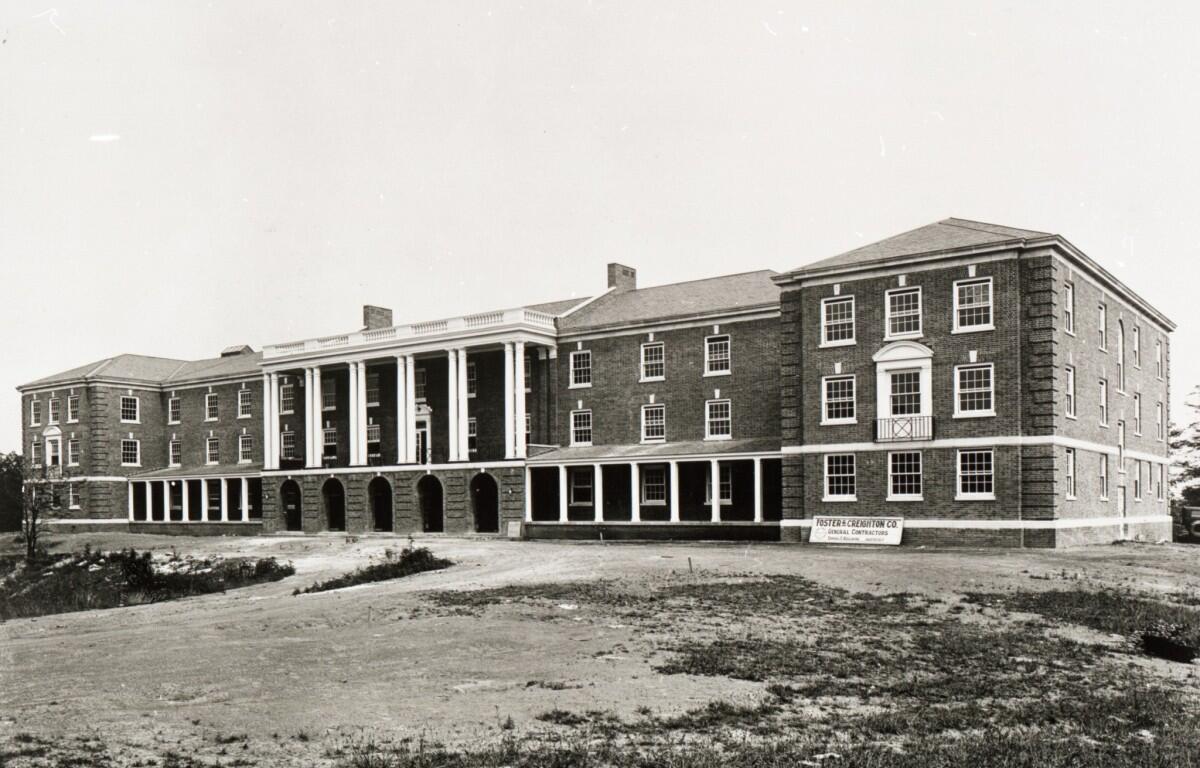
4. Creation of Austin Peay Normal School, 1927
How it happened: Austin Peay State University‘s ancestor was the 1845 Masonic College, which went through several evolutions before becoming Southwestern Presbyterian University. In 1925, they moved to Memphis, leaving their College Street campus empty. In 1927, the Tennessee legislature created a “normal school” on the campus for the training of teachers, and that was signed into law by then-Gov. Austin Peay of Clarksville. Peay died in office seven months later, and the school was named in his honor. Austin Peay Normal School became a state college in 1943, then became a university in 1966, expanding its education programs well beyond the initial vision.
What it meant: With 11,000 students now enrolled, APSU’s impact on Clarksville is hard to overstate. Educationally, it provides opportunities to local graduates, Fort Campbell soldiers and their families, and to non-resident students arriving here from around the state, nation and world. Economically, the campus creates a stable magnet for academic employment and retail support. Culturally, the music, arts and science programs have spilled over to bolster our quality of life, and the sports programs have united us around the tongue-in-cheek cheer, “Let’s Go Peay!”
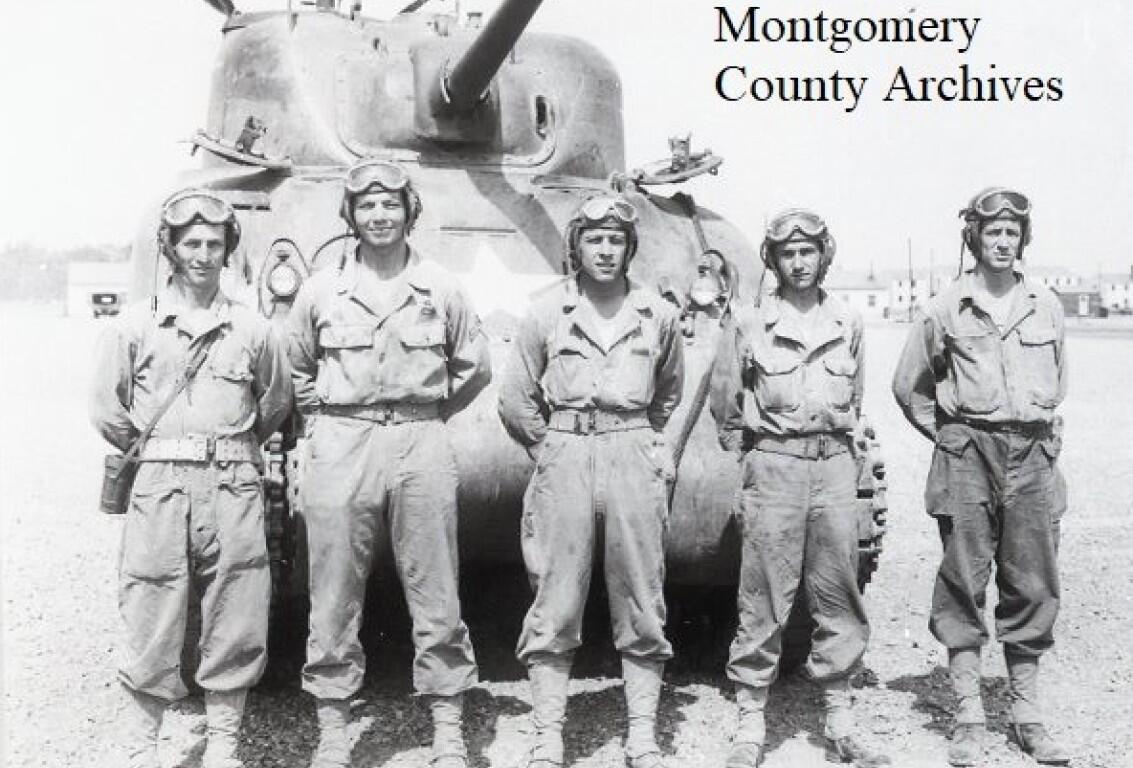
5. Creation of Camp Campbell, 1942
How it happened: In July 1941, in the early years of World War II, it was publicly announced that the War Department was going to survey the area for a possible military post. The Pearl Harbor attack in December sealed the deal, and Camp Campbell was established in January 1942. The camp was initially designated as being in Tennessee, with two-thirds of its land mass south of the state line, but with the post office on the Kentucky side, and to make more politicians happy, the camp was redesignated with a “KY.” The camp became Fort Campbell after the war, in 1950.
What it meant: In 1942, Clarksville’s population was only 12,000, and that population effectively doubled with the 11,000 construction workers it took to build the military installation. At its peak in 1944, Camp Campbell housed almost 100,000 soldiers and civilians. Off post, within four years, the population of Clarksville itself doubled, and the culture radically changed. But something of our Southern hospitality stayed the same. Over the next several decades, even as Clarksville expanded its city limits to Fort Campbell’s front door, the welcoming civilian community never transitioned into a purely military town. That mix of military and civilian identity has made Clarksville a desired destination not only for military families but also for veteran retirees as they leave service.
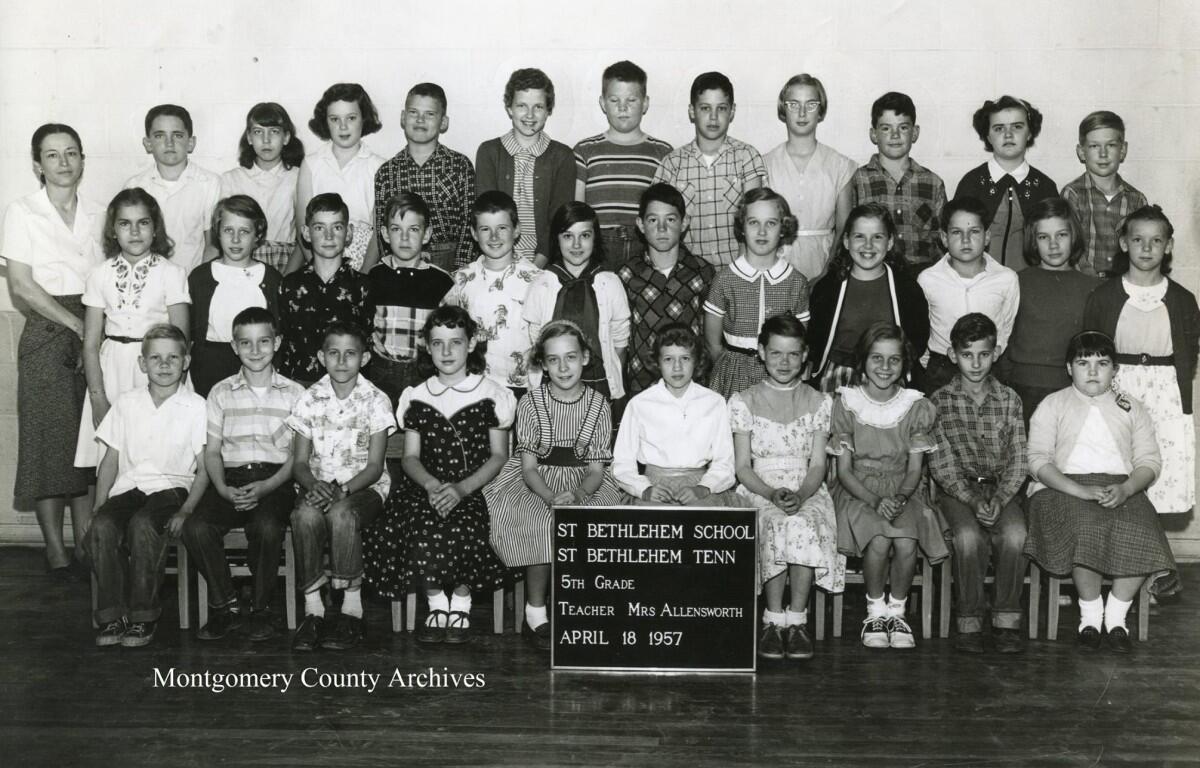
6. Unification of city/county schools, 1963
How it happened: For decades, Clarksville and Montgomery County had separate school systems, each with their own superintendent, staff and offices. But in the early 1960s, the systems pushed to consolidate, and with the support of community leaders and even both superintendents. With Clarksville being the only incorporated city in Montgomery County, it only made sense. There was vocal opposition, but the measure passed in both the city and county, with about 64% approval each.
What it meant: Today, the Clarksville-Montgomery County School System is one of Tennessee’s most successful districts, with comparatively high test scores, high graduation rates, updated technology, and efficient (some would argue too low) per-pupil spending. Consolidation has also give the district flexibility in creating racially and economically diverse school zones. One possible downside is that it removed one of the biggest arguments for consolidating local governments. With schools already unified, about one-third of what needs consolidation has already been accomplished.
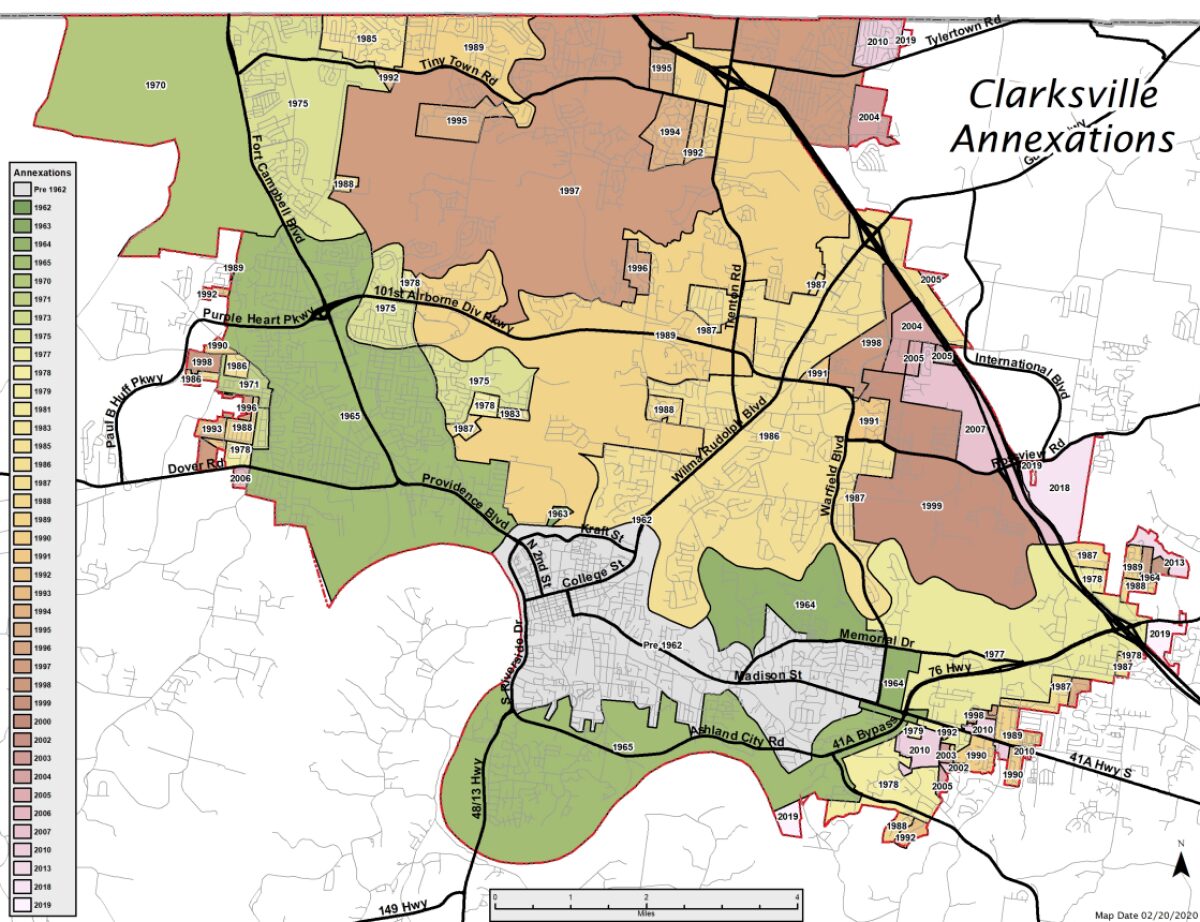
7. Annexation of New Providence, 1965
How it happened: Prior to 1965, the city limits of Clarksville ended at the Red River. Beyond that was New Providence, on both sides of U.S. Highway 41A, stretching from the Cumberland and Red Rivers to the south edge of Fort Campbell and Little West Fork Creek. At the time, Clarksville’s population was about 35,600, and New Providence, which had been an incorporated town as early as 1839, had 7,000 residents. There was an effort to annex New Providence in 1960, but that failed in referendum by a margin of 3 to 1. The Clarksville City Council pressed ahead and approved the annexation in December 1964, effective in 1965. Litigation to overturn move was defeated in 1967, and New Providence became part of the city.
What it meant: Had New Providence remained separate, it likely would have developed as a separate and adjacent city, in-between us and Fort Campbell. That would have had far-reaching impact, dividing our economy and culture. It also would have stood in the way of further annexations up to the state line in 1975, preventing Clarksville from staking the claim of being “home” to Fort Campbell.
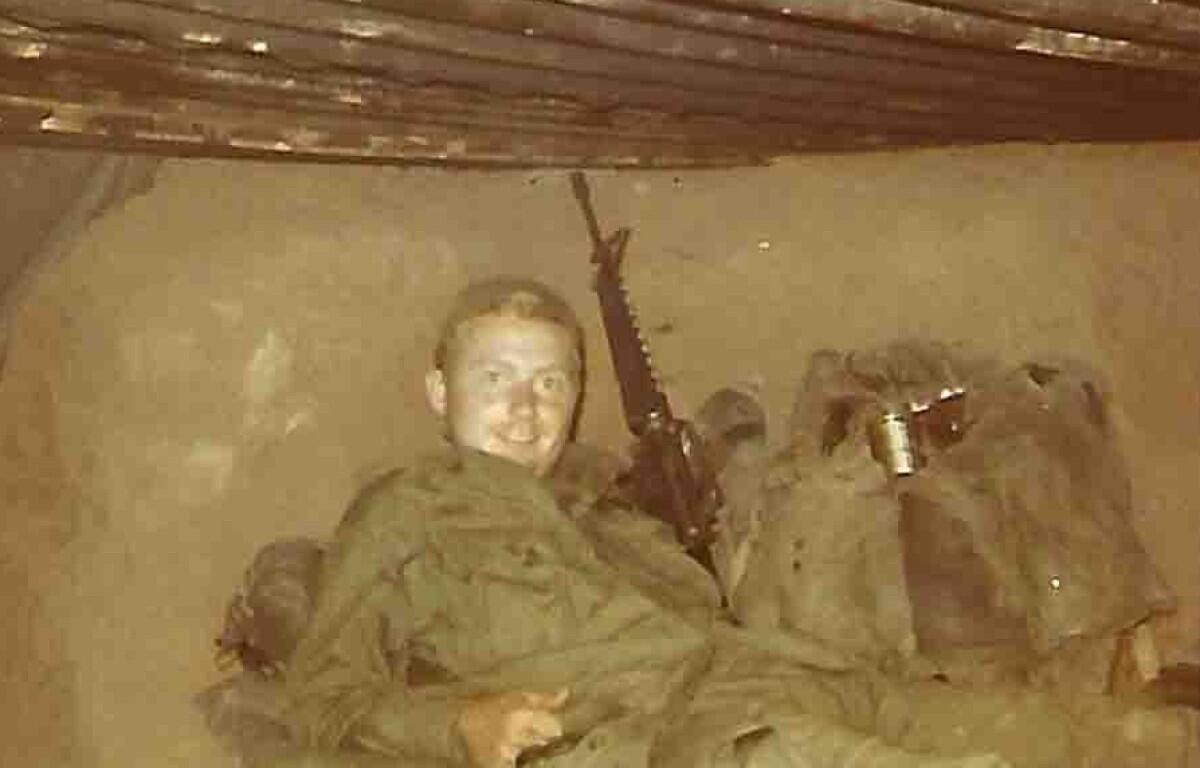
8. 101st Airborne goes to Vietnam, 1967
How it happened: As American involvement in Vietnam escalated, the Pentagon in May 1965 ordered one brigade of the 101st Airborne Division into combat. In December 1967, the rest of the division was sent over. There was a brief scare that the 101st wouldn’t come back after the war, but instead would be moved to then-Fort Stewart, Georgia, to support its new focus as a helicopter division. But better minds prevailed, and the division returned from Vietnam to Fort Campbell in April 1972, to a grand homecoming with 14,000 in attendance.
What it meant: While many more active-duty military families stayed here than during World War II, the impact of families leaving during the Vietnam deployment had a big impact on the local economy. This taught community leaders some important lessons: to do more to support military spouses, to ensure veterans have the resources they need, and, chiefly, to diversify local employment. It’s difficult to diversify next to a stable federal installation with a $10 billion annual economic impact. But over the decades, Clarksville industries have emerged to employ tens of thousands of workers, ensuring that the local economy isn’t overly reliant on our troops being home.
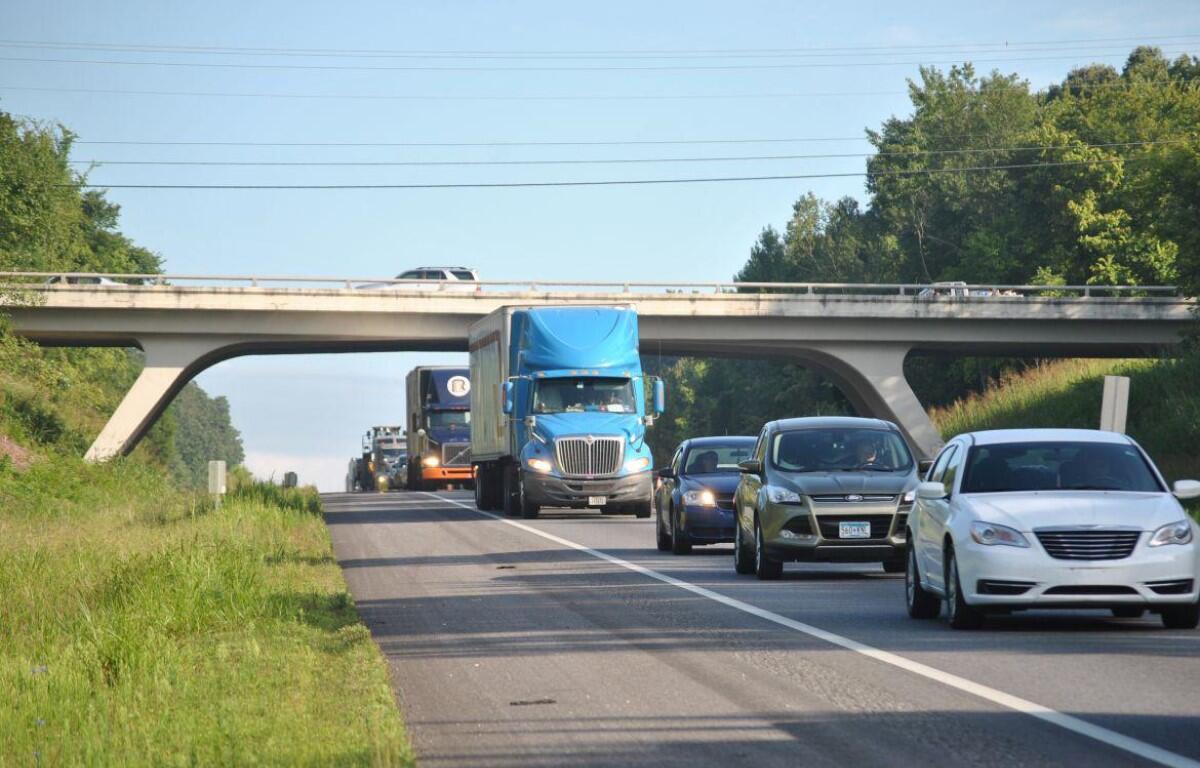
9. Construction of Interstate 24, 1978
How it happened: Prior to 1978, the highway between Clarksville and Nashville was U.S. 41A, and we were lucky it ran parallel, because interstate construction took far longer than anticipated. The project was put out for bid in 1972, with estimated completion by early 1975. But a spike in the cost of building materials doubled that timeline, and when I-24 finally opened in 1978, it was classified by the Clarksville Leaf-Chronicle as the end of a “long nightmare.”
What it meant: Beyond the obvious of providing a better connection between Clarksville and Nashville, the path of the interstate had major implications. Some cities had interstates build through their downtown (Nashville, Chattanooga, Memphis, Knoxville), but for cities such as Clarksville, Jackson and Cookeville, the interstate skirts the edge of the city. When built, the interstate was 5 miles from Clarksville’s city limits, and 10 miles from our downtown. Of course, retailers want to be near interstate traffic, and in 1986, Governor’s Square Mall made plans to open near Exit 4. It anchored a growing retail area, and also a simmering dispute over where our city limits should end.

10. Annexation of St. Bethlehem, 1986
How it happened: If you’d like to get an earful, ask some longtime residents of St. Bethlehem about annexation, as many of them are still a bit salty about it. St. B was 11 square miles north of the Red River, on both sides of U.S. Highway 79, roughly out to I-24, and east to just past Warfield Boulevard. Clarksville had attempted to swallow St. B and its then-7,000 residents in 1983, but that failed in a public referendum. Clarksville tried again in 1986, and after a heated public debate, the referendum narrowly passed with 54% of the vote.
What it meant: Like New Providence, St. B easily could have become a competing sister city, and amid annexation, some lamented that it never incorporated. Its retail section near the mall has become a major economic engine for Clarksville. A few years after, the entire area northwest of St. B was annexed, and Clarksville’s spread from the Cumberland River to the state line and Interstate 24 became inevitable. That geographic growth has created challenges, including the high costs of sprawl, and of development outpacing infrastructure and institutions. Then again, who could imagine Clarksville without Wilma Rudolph Boulevard?
| COMING UP: People who changed Clarksville forever, the worst disasters in local history, and photos: then and now.
Sources: Historic Clarksville: 1784-2004, Montgomery County Archives, Clarksville Civil War Roundtable, Leaf-Chronicle archives, Montgomery County Historical Society, Clarksville Now archives.
| BREAKING NEWS PUSH ALERTS: Sign up for our free Clarksville Now app