


CLARKSVILLE, TN (CLARKSVILLE NOW) – Between fires, floods and tornadoes, Clarksville has certainly seen its share of disasters.
Most people can remember our recent tornadoes and our 2010 flood, but did you know our downtown was nearly wiped out by fire, not once but twice? And that the 2010 flood was only the third worst in Clarksville history?
In recognition of America’s 250th anniversary, here are the 10 worst disasters to hit Clarksville, and some of the ways we came together to survive along the way.
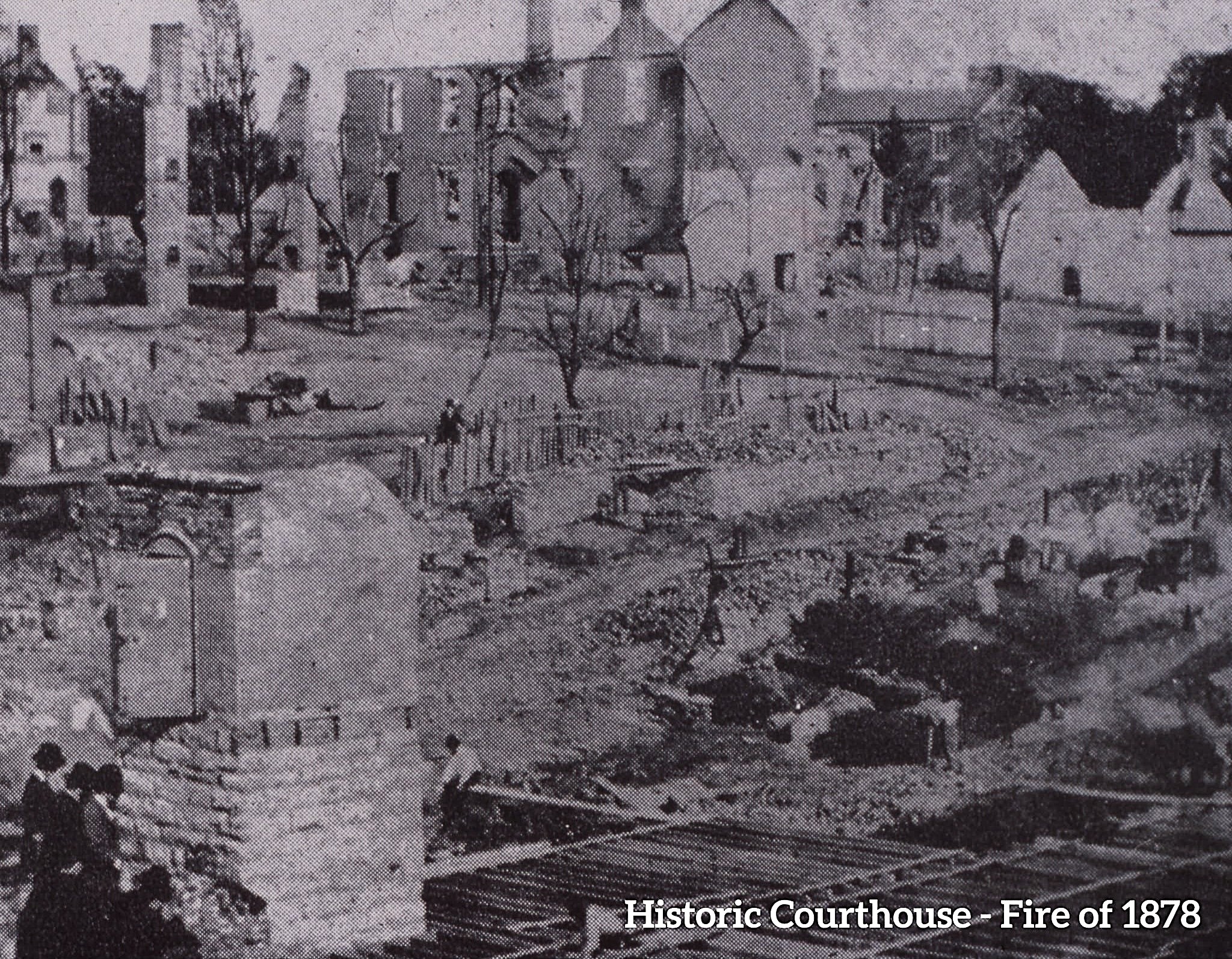
1. Great Fire of 1878
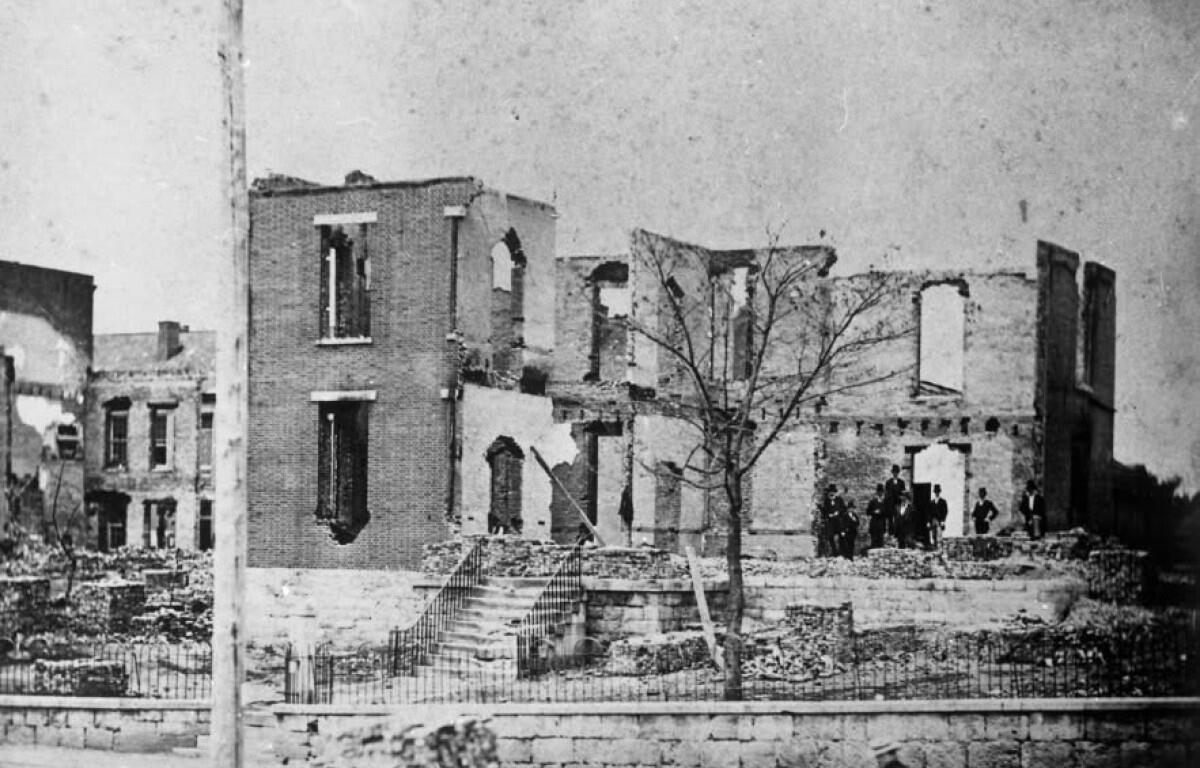
In the spring of 1878, there had been a series of racially charged incidents, including the lynching of a Black landowner. In the wake of this, on the night of April 13, an unarmed Black man named Columbus Seat was shot and killed during a skirmish with a Clarksville Police officer. A crowd of protesters gathered outside the police station demanding justice, and during that gathering, a fire started downtown. It would later be known as the Great Fire of 1878, and it destroyed 15 acres of downtown Clarksville. Lost in the blaze were entire blocks of the business district (three dozen businesses in all), the County Courthouse, both fire stations, the Chancery Clerk’s Office, Melodeon Hall, Franklin Hall, Central Hotel and the Gracey tobacco warehouse.
Newspaper reports at the time blamed the crowd and demanded arrests. A 10-member investigative committee was appointed to look into the cause of the fire. Partly to blame was wooden construction of warehouses that stored coal, paper, timber and gunpowder. Outside of that, though, the committee’s efforts ended in silence. But there were no arrests nor further public violence from either side.
| GET YOUR LOCAL MORNING NEWS: Sign up for our free daily email newsletter.
2. Flood of 1882
The second-worst flood in Clarksville history came the week of Jan. 19, 1882, when the Cumberland River crested at 62.7 feet. The Tobacco Leaf reported at the time that all the homes on Front Street were flooded, many up to 3 feet deep, and several simply floated away. Nearby, families on South College Street abandoned their homes. The waterworks pump house was filled with 2 feet of water, and the boilers were “drowned out,” halting the city’s water supply. Any remaining water was held back for fire response only.
The massive Grange Warehouse was at risk, and about 200 barrels of tobacco were moved to a higher floor. Several other factories and warehouses were either flooded or surrounded by floodwater. With roads in and out of the city cut off, the tobacco industry was shut down. Train tracks were underwater – by 20 inches in Cumberland Furnace – and train travel was mostly cut off. Ferry traffic on the Cumberland was stopped, and both bridges over the Red River were surrounded by water, with people resorting to crossing in “flat boats or skiffs.”
The same incident also flooded the Ohio and Mississippi Rivers downstream, causing more destruction along the way.
| PREVIOUSLY: 10 people who changed Clarksville forever, from John Montgomery to Ted Crozier
3. Courthouse fire of 1900
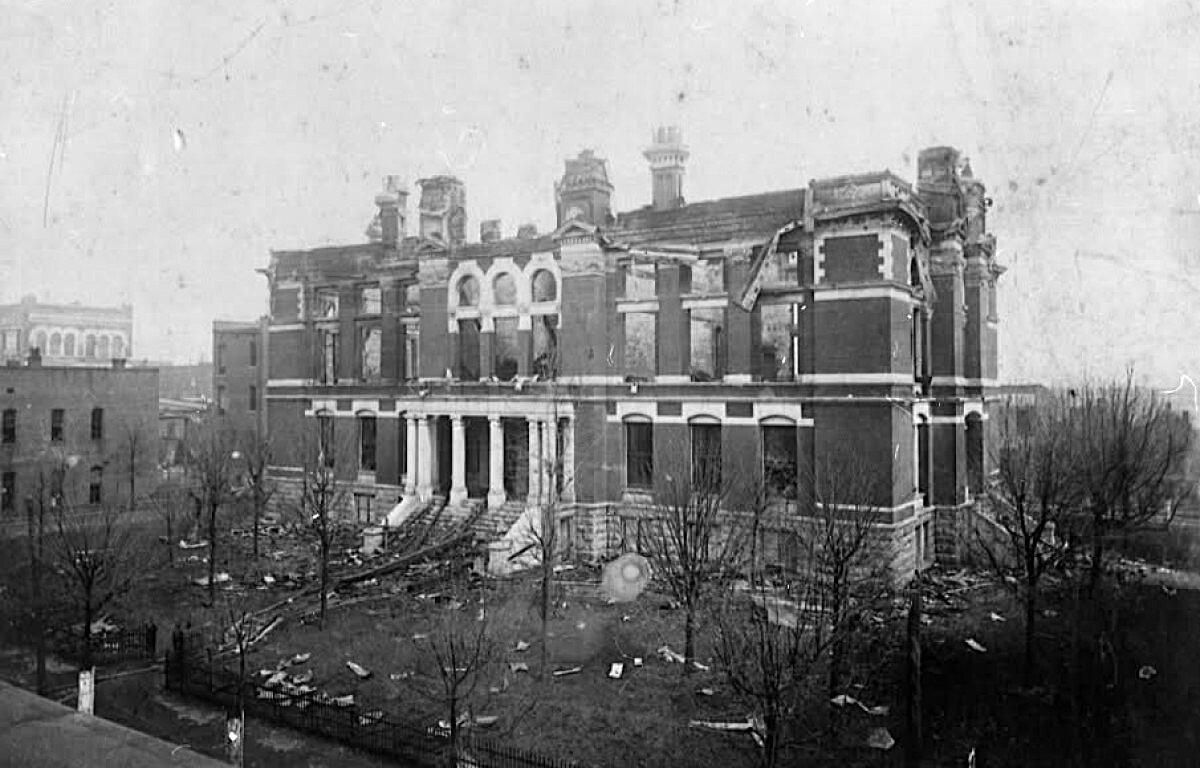
The Montgomery County Courthouse has at least three lives. It was almost lost in a fire on March 12, 1900, only 20 years after having been rebuilt from the 1878 fire. This fire apparently started in the southeast section at a flue that served the library room and the office of the Circuit Court Clerk. Most records were saved, but some were lost in the blaze, including all reports of the County Superintendent of Schools.
Excellent firefighting efforts and strong construction saved the 20-year-old building, which had steel girders and beams in the ceiling, anchored in concrete. The clock tower was lost, but most of the rest of the building was repairable. It remains standing today, despite a close call that would come 99 years later.
| NEW TO CLARKSVILLE? Check out our Newcomer’s Guide
4. L&N train crash into river, 1906
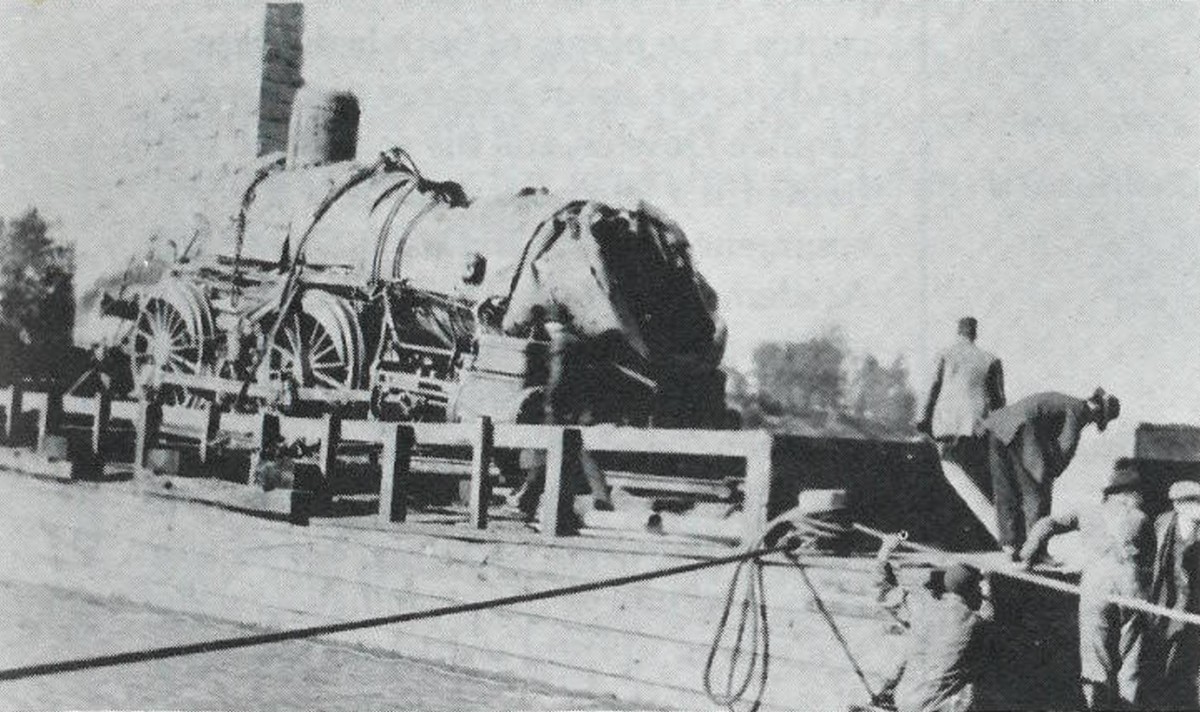
On the night of Sept. 29, 1906, the oddly named steamer H.W. Buttorff was coming downstream toward Clarksville and signaled for the railroad turnbridge to open. But the timing couldn’t have been worse. An L&N passenger train was coming northbound at the same time and the engineer didn’t notice the signal lights for the open draw. The engine, baggage and mail cars and six trainmen plummeted into the waters 50 feet below. Two of the men died, but four survived, thanks in part to several bystanders on the riverbank who jumped in to rescue them. The passenger cars were saved because of last-second braking and the train’s automatic de-coupling system kicking in just before the first car went into the river. Imagine being among dozens of passengers in those cars as they stopped at the end of an open bridge 50 feet in the air.
The irony: The turnbridge was closed immediately, and the steamboat easily passed underneath. So there was never a need to open the turnbridge in the first place.
| BUSINESS OWNERS: Click here for a free consultation for advertising your business on Clarksville Now
5. Great Flood of 1937
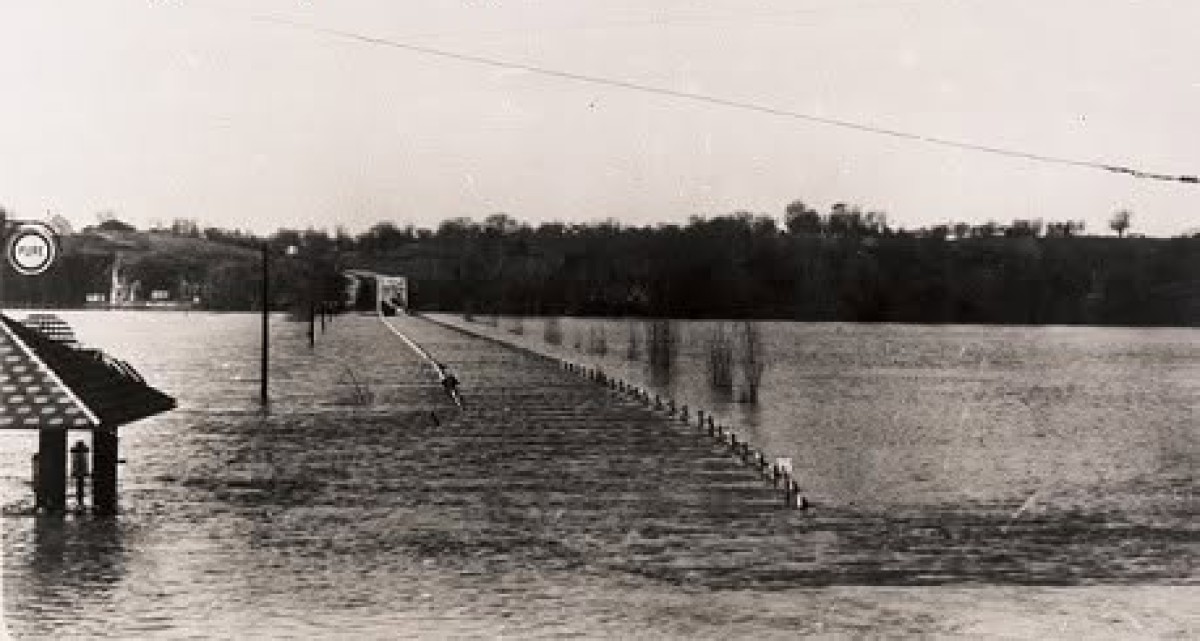
The worst flood in Clarksville history came on Jan. 25, 1937, when the Cumberland River crested at 65.5 feet, a high-point record that remains today. Notably, that was 3 feet higher than the 2010 flood.
On Jan. 18, 1937, after 21 days of heavy rain, the unregulated, undammed Cumberland began rising at about 4 inches per hour. The high water remained for several weeks, flooding the Clarksville Waterworks plant and leaving the city without drinking water for two weeks. Rainwater was brought in from Nashville by train. To prevent the spread of typhoid, 4,300 residents had to get a series of shots, according to Leaf-Chronicle archives. As in 1882, roads were cut off, and rationed water had to be delivered to households by boat. Complicating matters, a bridge floated off of its piers and barreled downstream, tearing down electric lines, which shut off electricity for several winter days.
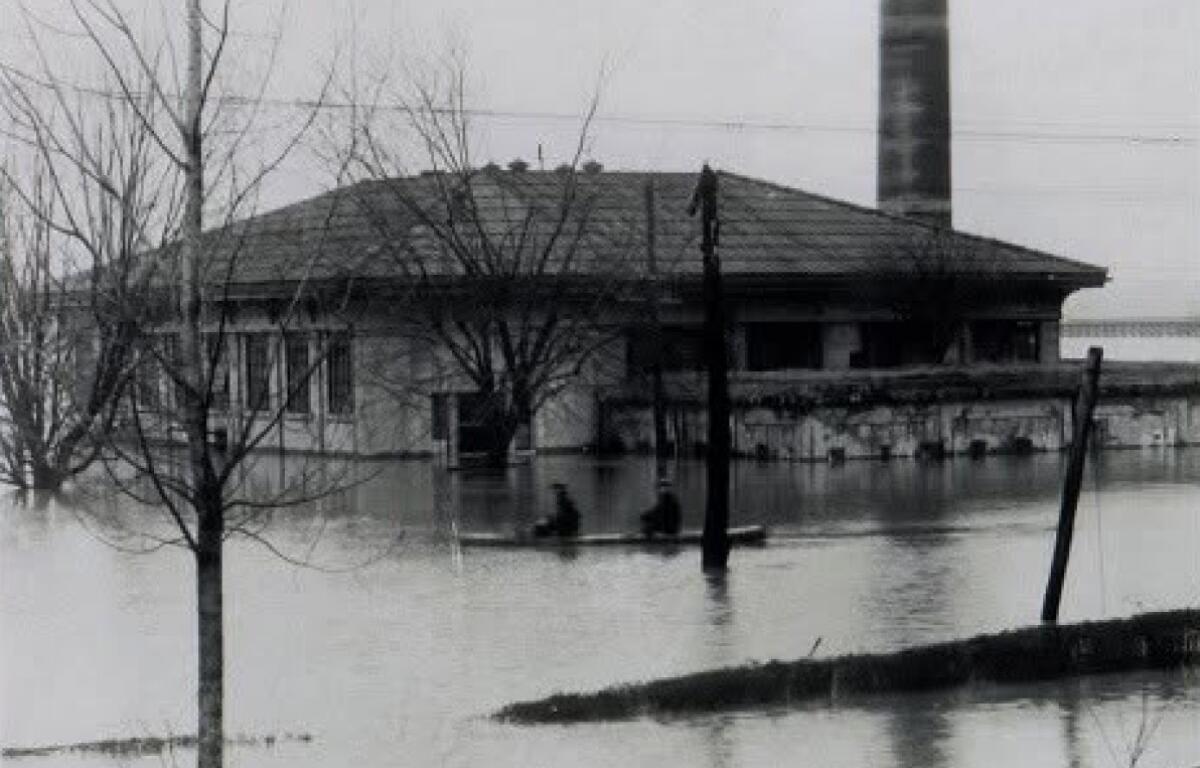
The flood caused $400,000 worth of damage in 1937 dollars to businesses, tobacco warehouses and homes. That’s $9.5 million today. No one was killed, but about 250 families were evacuated and 140 were left homeless. Soup kitchens were set up by the Red Cross, and shelters were established at the Post Office and Baptist Tabernacle Church.
Nationwide, the 1937 flood had more devastating consequences along the Ohio River. Damage stretched from Pennsylvania to Illinois, leaving 385 dead and 1 million homeless, while causing $11.1 billion in damage (in 2025 dollars)
Fourteen years later, in 1951, the Cheatham Dam was built upstream from Montgomery County, regulating water flow in such a way that, hopefully, will keep that 1937 record on the books.
| MORE: Click here for more articles about Clarksville’s history
6. 101st Airborne Division Gander crash
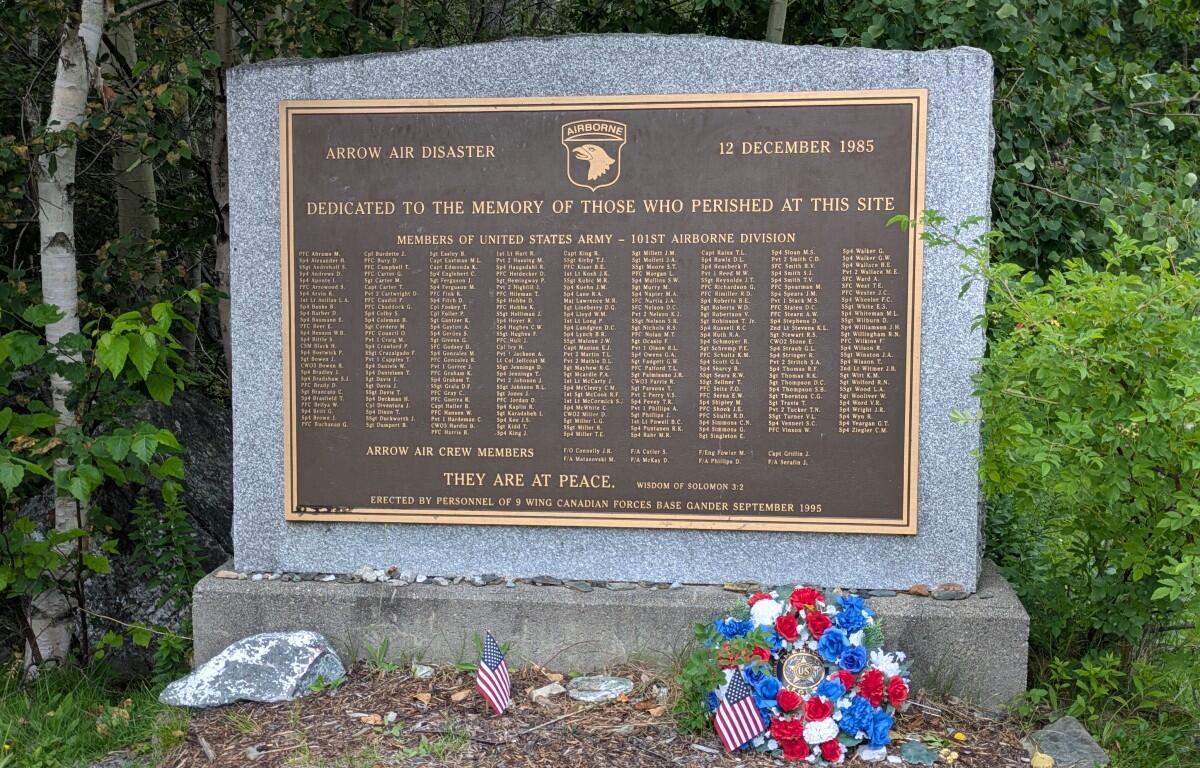
While the 1985 Gander crash didn’t happen in Clarksville, it took the lives of so many local families that it has to be remembered in any discussion of local disasters.
On Dec. 12, 1985, Arrow Flight 1285 was bringing 248 Fort Campbell soldiers home from a six-month peacekeeping mission in the Sinai Peninsula. The soldiers were from several military units, all attached to the 3rd Battalion, 502nd Infantry Regiment, 2nd Brigade Combat Team “Strike,” 101st Airborne Division. During a stop at Gander International Airport in Newfoundland, Canada, the airliner crashed shortly after takeoff. All 248 soldiers, along with eight crew members on the aircraft, died in the crash. The Canadian Aviation Safety Board determined the likely primary cause was ice contamination on the aircraft’s wings.
A few days after the crash, President Ronald Reagan visited Fort Campbell to comfort survivors. The Gander crash is remembered today in memorials at Fort Campbell and in Hopkinsville, Kentucky, and in annual memorial ceremonies on post.
| MORE: 11 women to remember as part of Clarksville history, from Stockade Annie to Faye Smalley
7. Downtown tornado of 1999
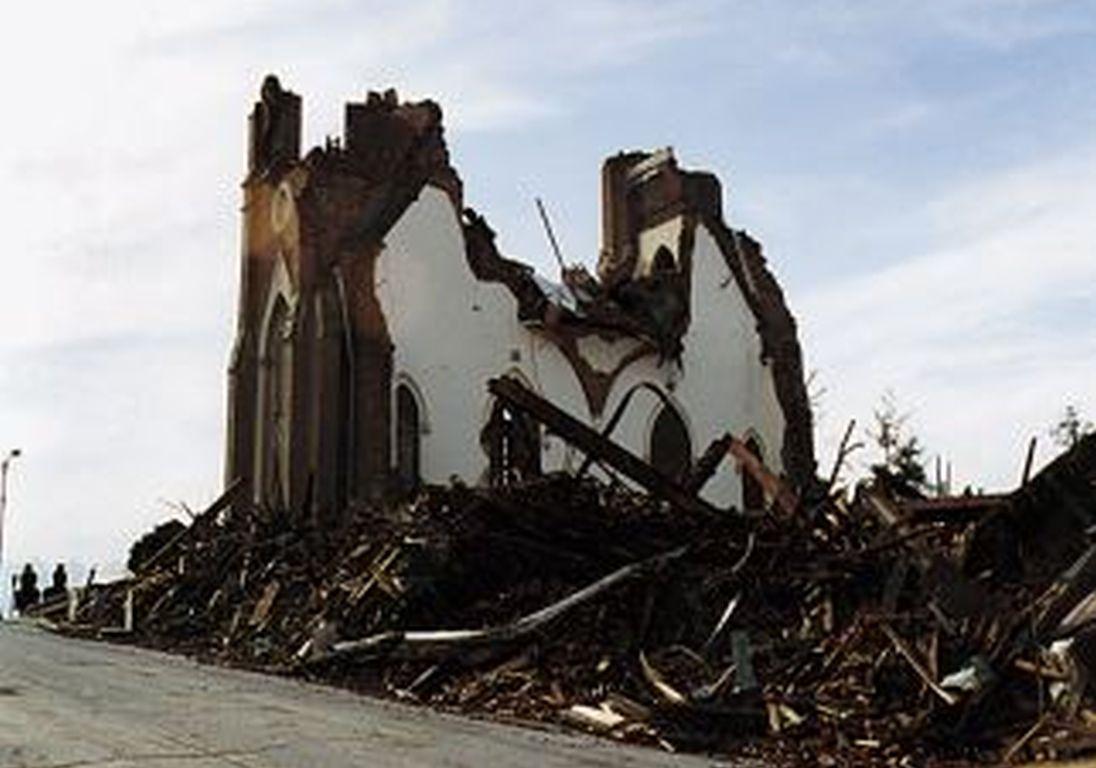
At 4:15 a.m. on Jan. 22, 1999, an F3 tornado with winds over 200 mph ripped across downtown Clarksville, destroying all or most of the Montgomery County Courthouse, Madison Street United Methodist Church, Trinity Episcopal Church and “Lawyer’s Row” along Third Street. Also destroyed or damaged were dozens of historic homes and buildings, including 18 buildings on Austin Peay State University. In all, 124 buildings were destroyed and 562 buildings were heavily damaged in a path 880 yards wide and 4.3 miles long. NWS said the damage totaled $72.7 million ($142.3 million in today’s dollars). Amazingly, while there were several minor injuries, no one was killed – due in part to the storm hitting a mostly business area in the middle of the night.
The County Courthouse clocktower was blown to bits, and the inside was heavily damaged. But the outer shell – after much debate, as in 1900 – could be saved, and the building was restored. Also restored were Madison Street UMC and Trinity Episcopal. Several downtown buildings, particularly where the Courts Center now stands, were too severely damaged and had to be demolished.
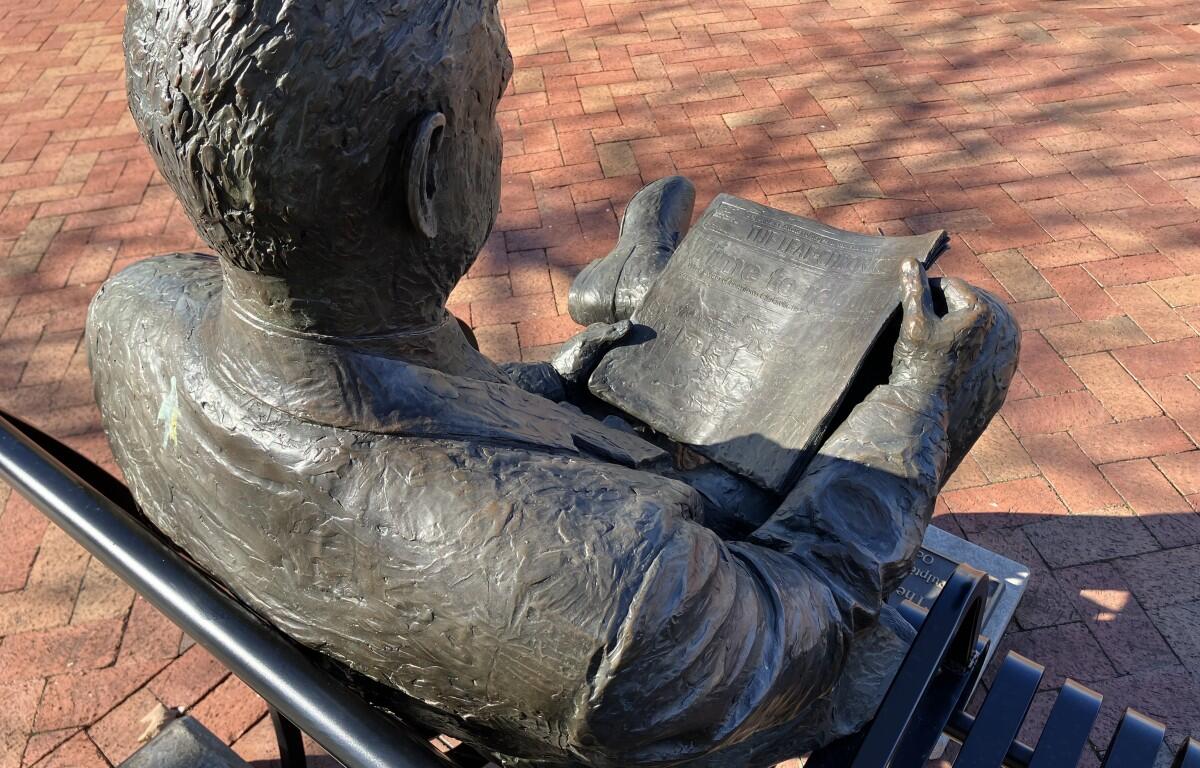
Today, the tornado is memorialized in “The Day After” statue, commonly called “the newspaper man,” who is reading the Jan. 23, 1999, edition of The Leaf-Chronicle. He’s seated on a bench outside the County Courthouse across Commerce Street from the former newspaper offices. Another tornado sculpture – depicting a spire/inverted tornado – straddles the fountain in Millennium Plaza.
| BREAKING NEWS PUSH ALERTS: Sign up for our free Clarksville Now app
8. Flood of 2010
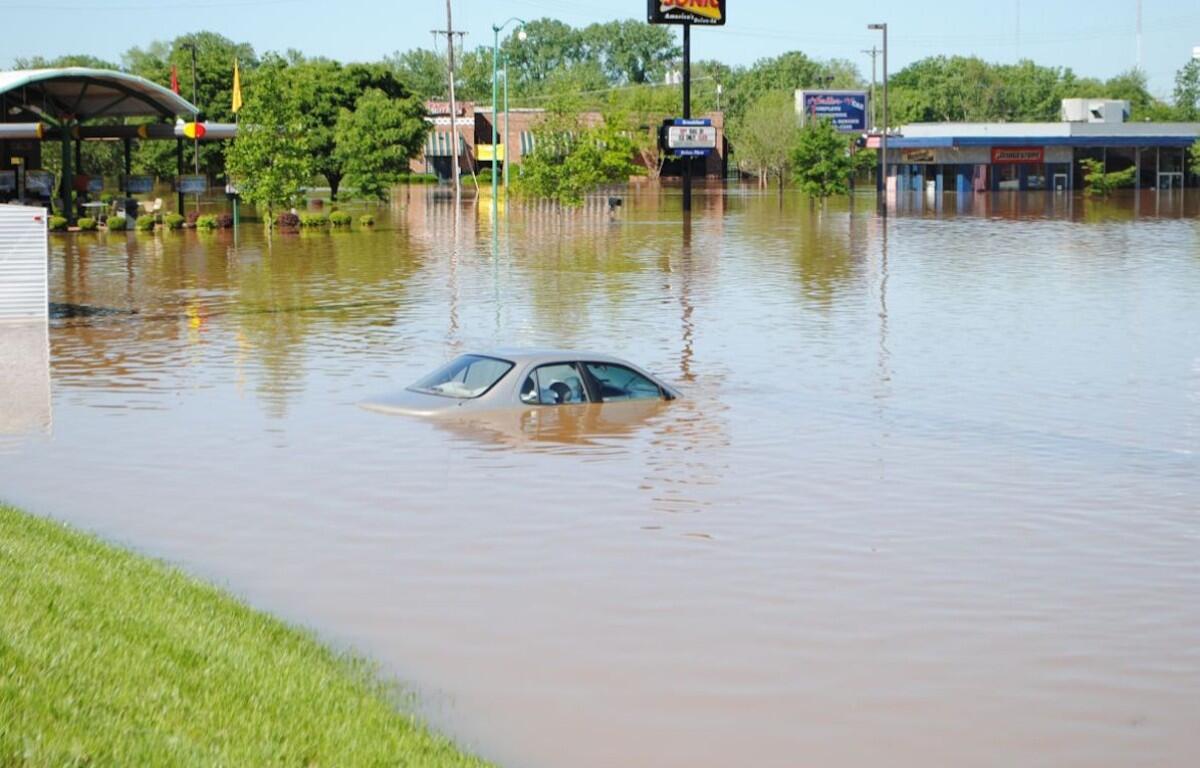
The third-worst flood in Clarksville – and of course the one most clear in everyone’s memory – came on the weekend leading up to Monday, May 3, 2010. In only a couple of days, the storm dropped 11 inches of rain, flooding both Nashville and Clarksville. The Cumberland River reached 62.58 feet in Clarksville and spilled over Highway 48/13, swallowing Riverside Drive. Businesses along Riverside filled with water, mostly around 2 to 4 feet of it, and the receding river left behind a slick, muddy mess. More than 140 businesses and 160 homes sustained damage, totaling over $37 million.
Rising floodwaters from both the Cumberland and Red Rivers also breached the levees at the Clarksville Wastewater Treatment Plant, causing permanent damage to the tune of over $100 million.
Unexpectedly, a neighborhood about 2 miles from the nearest river also suffered severe flooding: Woodstock Estates. The subdivision near the Kentucky state line flooded thanks to poor drainage in the area. Woodstock would see more flooding the following year, and again in years to come.
| MORE: 10 Black leaders who helped to shape Clarksville’s future against all odds
9. COVID pandemic
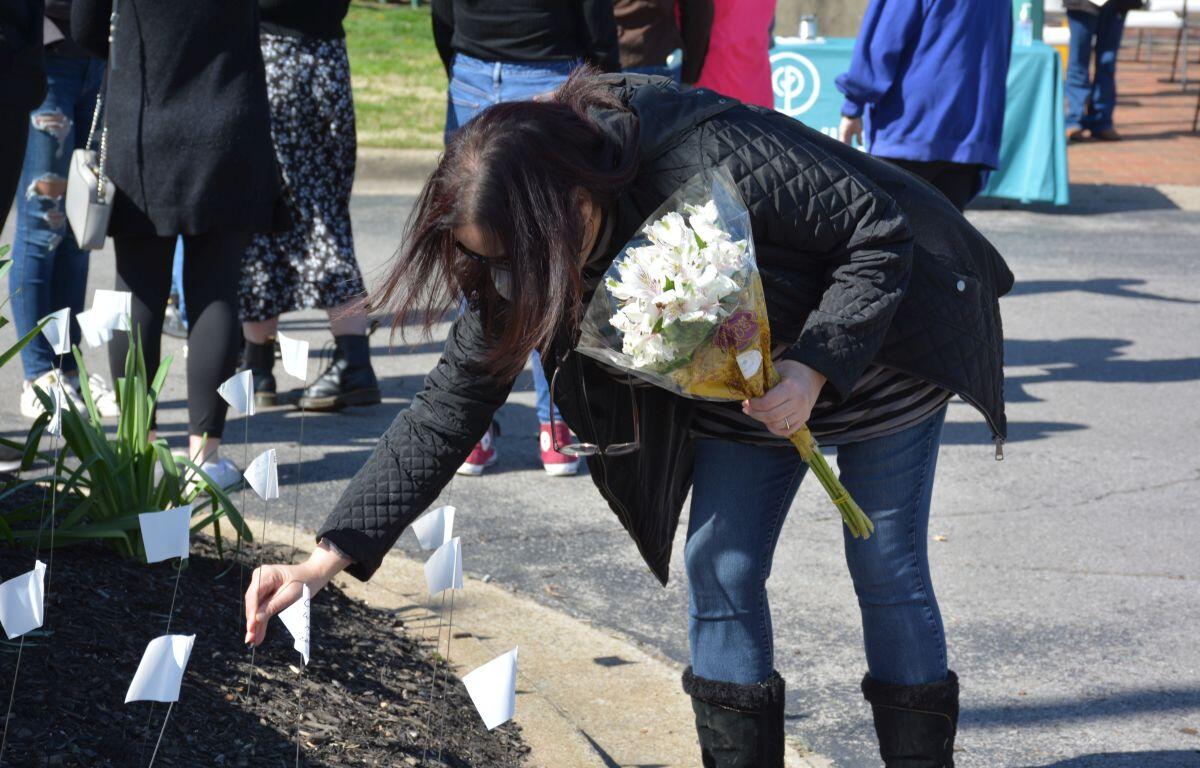
On March 19, 2020, the COVID-19 pandemic reached Clarksville with our first diagnosed case. Less than a month later, on April 4, Montgomery County had its first COVID-19 death, and hundreds more would follow, notably including Judge Ray Grimes. On March 31, 2020, the city and county mayors announced a shelter-at-home order, which Gov. Bill Lee forced to expire a month later. A countywide mask order was instituted on July 6, and it continued for the rest of the year.
Meanwhile, the Clarksville-Montgomery County School System was one of the first local entities to respond, closing schools on March 13, 2020, after a student case. Schools remained closed for the rest of the year, with students losing proms and in-person graduations. For the 2020-21 year, CMCSS offered students either virtual or “traditional” in-person classes, with interruptions during spikes in cases.
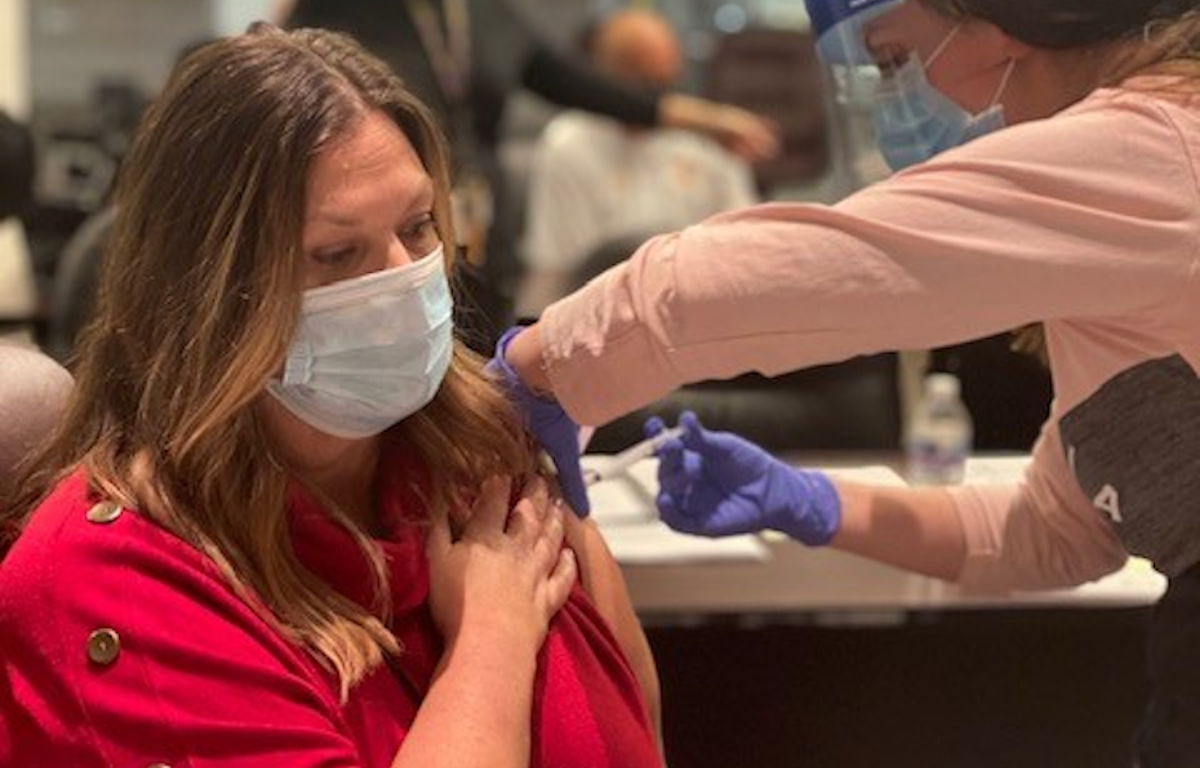
In December 2020, the vaccine reached Clarksville, and emergency workers lined up to get their shots, with people 75 and older next in line. As the vaccine rollout continued into 2021, some began to balk at getting it. Vaccines were required for all Fort Campbell soldiers and employees.
As people returned to in-person gatherings while many were still unvaccinated, a September 2021 spike overwhelmed Tennova Healthcare-Clarksville, with COVID patients filling the ER. According to the Montgomery County Health Department, Montgomery County suffered a total 466 COVID deaths during 2020 and 2021.
| NEWS ALERTS: To get free breaking news alerts on your phone, text the word NEWS to 43414.
10. North Clarksville tornado of 2023
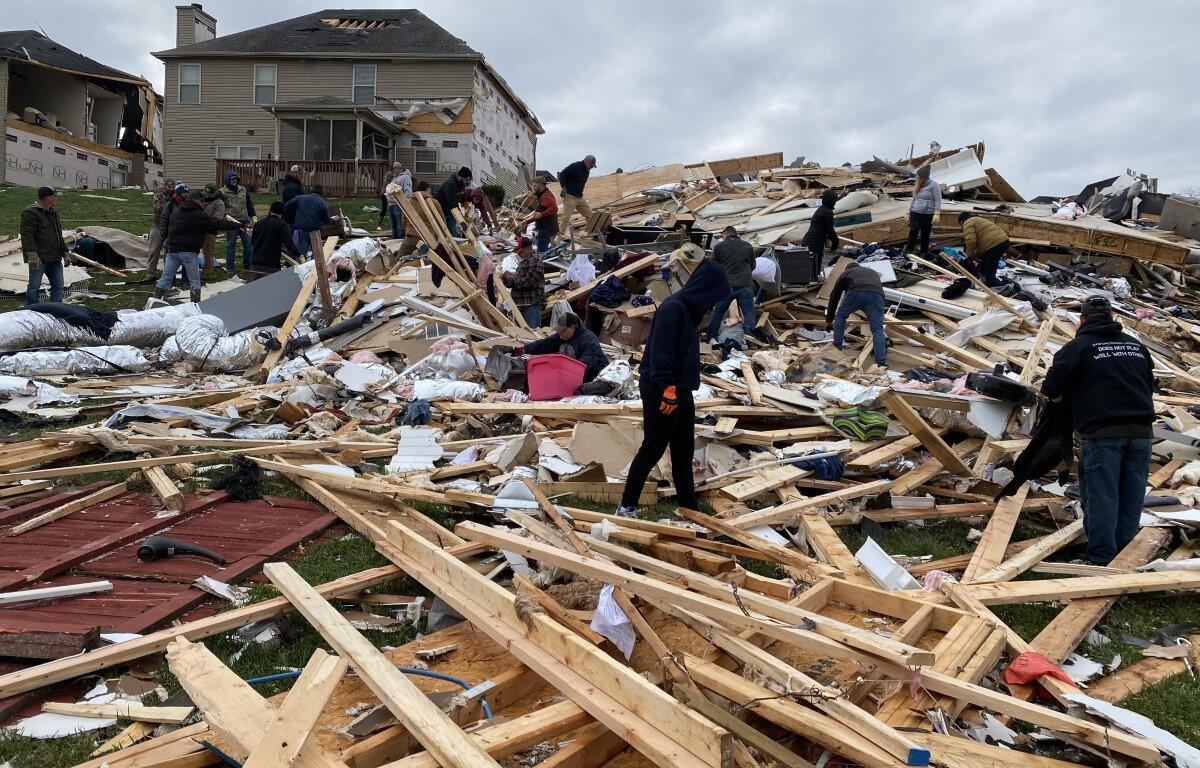
On the afternoon of Saturday, Dec. 9, we were hit with one of the worst tornadoes in Clarksville history – certainly the worst in loss of life. Four people were killed by the Clarksville storm, including a 10-year-old boy. Over 60 others were injured.
The tornado touched down at 1:41 p.m. on Fort Campbell just north of the Sabre Airfield. It became an EF-3 with 150 mph winds and a path 600 yards wide and 11.33 miles long. After 15 minutes on the ground, it crossed the state line near Tylertown Road at 1:56 p.m. In all, it destroyed 268 “residential sites” – which could be homes or entire apartment complexes. Another 2,027 homes and buildings had damage, with varying severity.
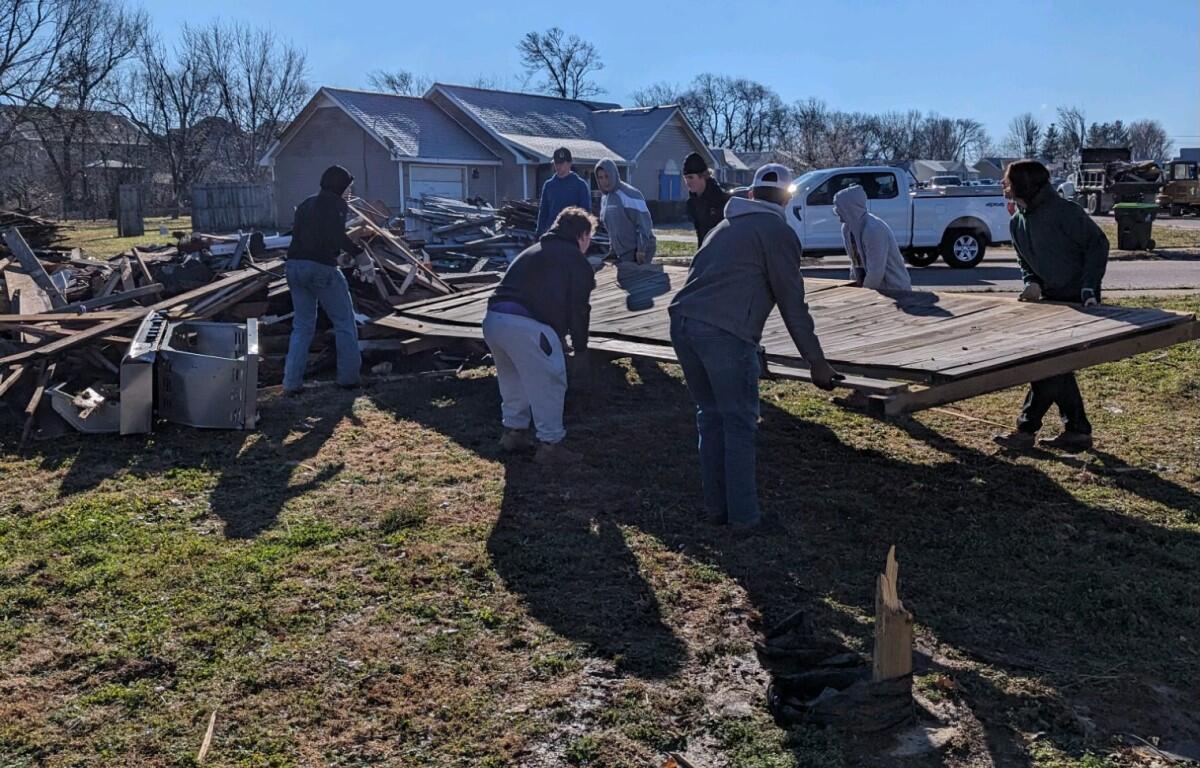
In the wake of the storm, Clarksville came together to help one another recover. We overdid it a bit, first overwhelming volunteer debris cleanup needs, then food donations and then supply donations. So many volunteers turned out to help, with many uncertain how to proceed, that there were reports of trained NCOs from Fort Campbell fanning out to take charge of the citizen efforts. It was a microcosm of who we are as a community, and how we can come together in the face of disaster.
| PREVIOUSLY:
- 10 moments in history that made Clarksville what it is today, from tobacco heyday to St. B annexation
- 10 people who changed Clarksville forever, from John Montgomery to Ted Crozier
| COMING UP: Photos of Clarksville: then and now
Sources: Historic Clarksville: 1784-2004, Montgomery County Archives, Leaf-Chronicle archives, Clarksville Now archives.