



Clarksville Now publishes opinion pieces representing both sides of a variety of topics. Opinions presented do not necessarily reflect those of the newsroom or management. To join the conversation, email your opinion piece to news@clarksvillenow.com.
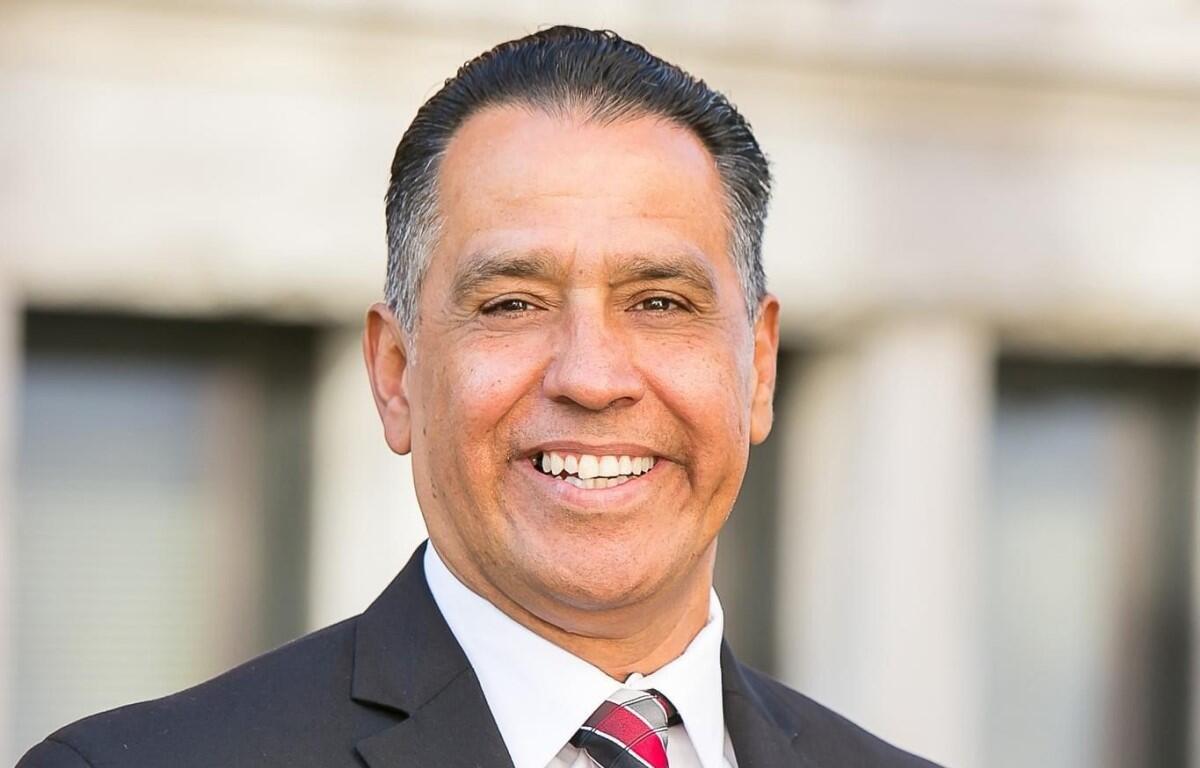
Contributed commentary by Tommy Vallejos, Latinos for Tennessee and former Montgomery County commissioner, on the proposed credit card interest rate cap.
For decades, the story of the American economy has been one of expanding opportunity. In Tennessee, we’ve seen firsthand how access to credit has evolved from a luxury for the few into a vital tool for the many. Gone are the days where a small farmer or a shopkeeper had to rely on a single local lender or, worse, a predatory “handshake” deal. Today, whether it’s a shop owner in Clarksville bridging a cash-flow gap, or a Cedar Hill family farm with a vital piece of equipment in need of repair, credit cards provide an important lifeline of liquidity.
At Latinos for Tennessee, we promote the time-honored American values of financial freedom and fiscal responsibility. We work hard to ensure our state remains a place where businesses can thrive and families can achieve financial stability. To do this, we need policies that continue to strengthen our state’s business climate and expand opportunity.
Historically, effective federal legislation has played a constructive role in increasing access to credit, which in turn has spurred both home ownership and entrepreneurship. Recent proposals, unfortunately, would have the opposite effect. Sen. Bernie Sanders’ proposal to cap credit card interest rates at 10% – while seemingly a boon for Tennessee consumers – would, in reality, implement artificial price controls. Such controls frequently lead to unintended and detrimental economic consequences.
| ADD US ON GOOGLE NEWS: Click here to see more local news from Clarksville Now
A credit card is essentially an unsecured loan, which means that rates are determined in part by assessing risk – primarily the risk of lending to someone without significant assets to back the loan. It’s this ability to price for these very real-world risks that allows financial institutions the flexibility to extend credit to a new entrepreneur or a working family trying to rebuild their credit score.
Local businesses across Tennessee and here in Montgomery County would feel the sting. Today, roughly 50% of all businesses rely on credit cards as a source of financing, and small-business owners rely on access to credit in order to invest in themselves, such as purchasing new equipment, hiring additional staff, or opening new locations. Without it, they would be limited in their ability to grow and expand and might struggle to stay afloat during economic downturns. And with nearly $3.6 trillion in annual spending nationwide occurring on consumer credit cards, a contraction in credit availability means a contraction in the very consumer spending power small businesses rely on. For a state like ours, where small businesses are the engine of our economic success, this is a risk we cannot afford to take.
Prudent legislation and technological advances have brought millions of formerly “credit invisible” people into the regulated financial system. If they were to lose that access, many families would be forced to turn to less-regulated, more expensive, or even predatory alternatives.
There’s important work to be done so that every American and every Tennessean can obtain access to credit. Our policy choices should reflect this goal. We can provide Tennesseans with greater access to financial tools, not less, while at the same time strengthening transparency, expanding financial literacy and enforcing fair lending laws. Lawmakers should advocate against rate caps and instead keep Tennessee’s economy moving forward.
Tommy Vallejos
| GET YOUR LOCAL MORNING NEWS: Sign up for our free daily email newsletter.