



CLARKSVILLE, TN (CLARKSVILLE NOW) – We know some of the great names of Clarksville’s past: Austin Peay, Wilma Rudolph, Robert Burt. But there are many more, and their contributions and back-stories are too often forgotten.
Some of them took considerable risks – making real sacrifices and unpopular decisions at the time – to achieve their goals. What they accomplished made Clarksville a better place far into the future.
In recognition of America’s 250th anniversary, here are 10 people who deserve to be remembered for making Clarksville what it is today.
1. John Montgomery, founder of Clarksville
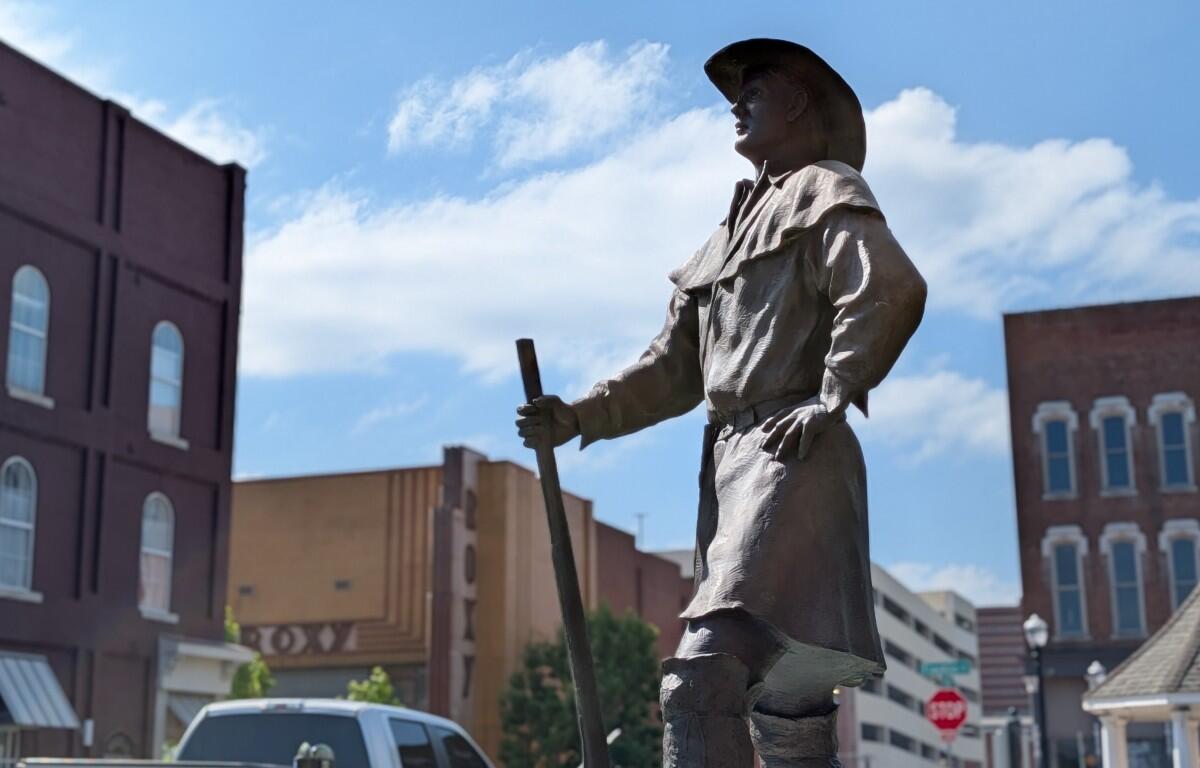
What we now call Montgomery County was first explored by Europeans in 1775, starting mainly with John Montgomery. He returned in 1784, and, working with another settler named Martin Armstrong, chose 640 acres to build a town on the eastern side of the Cumberland River, just south of the Red River. The area had ample springs, plenty of game and fish, and was well above the flood zone. Montgomery named the town after a colleague, George Rogers Clark, the Revolutionary War leader.
Montgomery became a civic leader in the small, growing, log-home town, which was then part of Tennessee County, North Carolina. Amid a series of run-ins with raiding Native Americans, Montgomery was killed in 1794. In 1796, when Tennessee separated from North Carolina and became a state, Tennessee County was divided into Montgomery County, bearing his name, and Robertson County. Montgomery, in explorer garb, is immortalized in a bronze statue near City Hall on First Street.
| PREVIOUSLY: 10 moments in history that made Clarksville what it is today: From tobacco heyday to St. B annexation
2. Cave Johnson, Congressman and postmaster
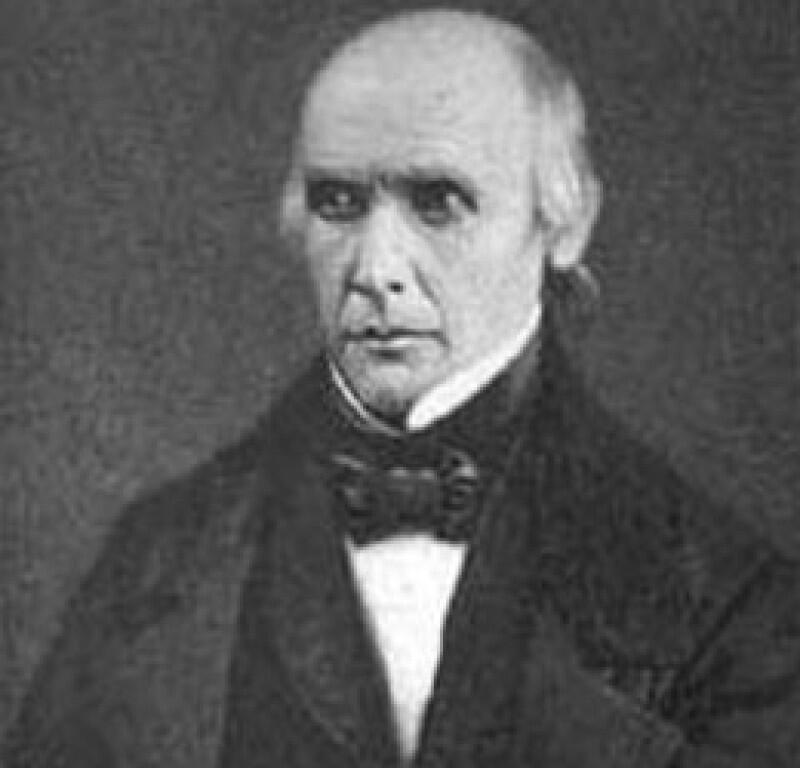
Cave Johnson was known more for his national accomplishments than his impact on Clarksville, but those accomplishments pushed us into the national political spotlight. Born in 1793, Johnson was elected to Congress in 1828 as a Democrat and served until 1845 (with a brief sidelining in the 1837 election). In 1845, as a reward for Johnson’s powerful support, incoming President James K. Polk named him postmaster general. During his four years in that role, Johnson issued of the first self-adhesive postage stamp, and he oversaw the creation of urban mail pickup service – those big blue mailboxes. When Polk’s administration ended in 1849, Johnson returned home to Clarksville, stepping into several leadership positions.
When war came, Johnson made neither side happy. Ahead of the war, Johnson took a leading role against his own party in resistance to the Southern rights cause and secession. When Union gunboats arrived in Clarksville to the abandoned Forts Defiance and Clark on Feb. 20, 1862, Johnson surrendered the town. He prevailed upon the Union commanders to issue a proclamation guaranteeing the civil rights and safety of citizens. Johnson spent the war years as a bystander, a reluctant Confederate. In 1865, he was appointed on a unanimous vote to fill an empty state Senate position, but he was denied his seat because he had “consented to” and “countenanced” the Confederate rebellion. Johnson died in 1866, and his home still stands at 916 Madison St., with a historical marker.
| NEW TO CLARKSVILLE? Check out our Newcomer’s Guide
3. Joseph Killebrew, public education advocate
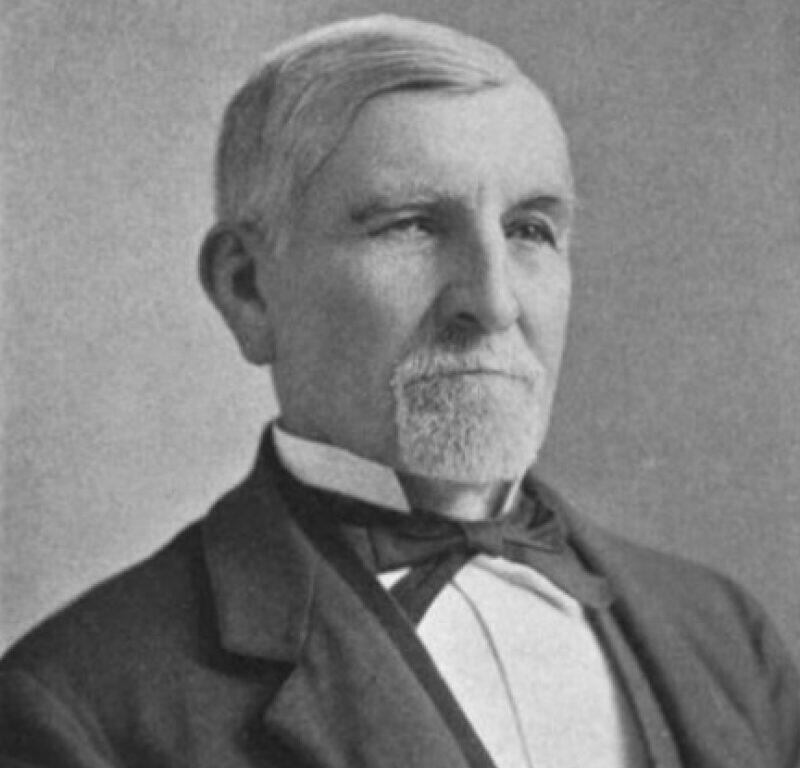
Born in 1831, Joseph Buckner Killebrew inherited a large plantation, including slaves, in the Rossview area. He opposed the Confederate cause, however, and following the war he established labor contracts with his former slaves, providing wages, cabins and board, and, most importantly, education: reading, writing and math. Killebrew established a school for Black people on his farm and went about the state advocating for public education for all races, arguing that it was the best way to prevent poor people from turning to crime, and that raising education levels was a boon to the economy.
He also was instrumental in convincing the legislature to create the state Bureau of Agriculture, and he became secretary of the Bureau. He died in 1857, and his name lives on in Killebrew Road, through his family’s land.
| MORE: For more articles on Clarksville’s past, check out our History section
4. Judge Charles Tyler, investigated lynching
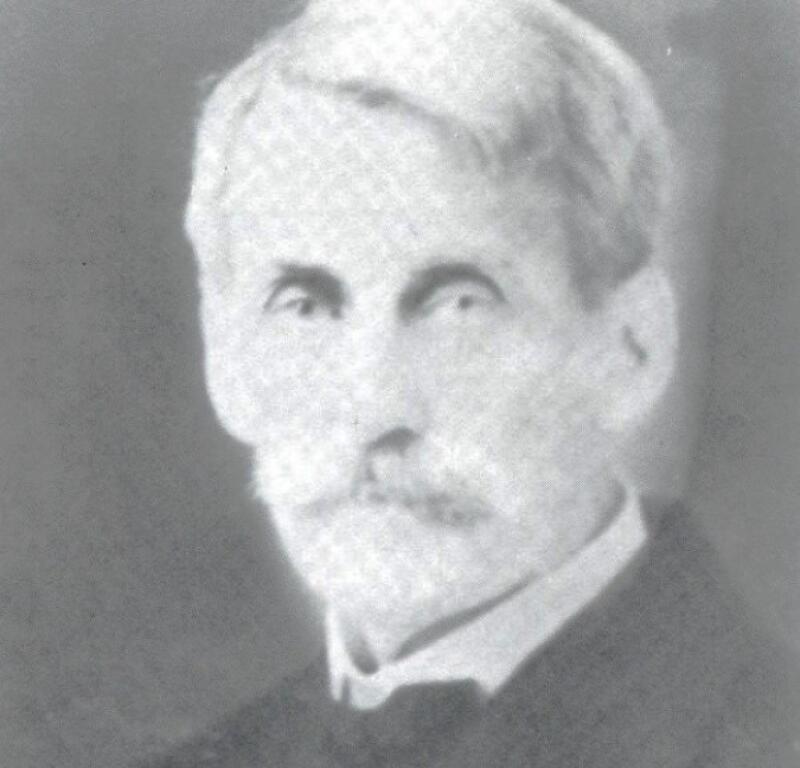
Charles Tyler served in the dual role of Criminal Court and County Court Judge (effectively county mayor) from 1873 to 1918. A veteran of the Confederate army, he went into law after the war, and he was easily elected multiple times, on the loyalty of small farmers and of the establishment legal community.
During his tenure, racial tensions in Clarksville erupted into the lynching of a Black man accused of rape. Tyler would have none of it. He convened a grand jury to investigate, with the words, “If masked men at midnight may sit in judgment upon the rights of one citizen, they may do so upon those of another; if the turn of a guilty man comes first, that of an innocent many may next succeed.” His speech was reported in the Louisville Courier Journal. The work of the grand jury came to an end, though, in the culmination of those racial tensions, the Great Fire of 1878.
| GET YOUR LOCAL MORNING NEWS: Sign up for our free daily email newsletter.
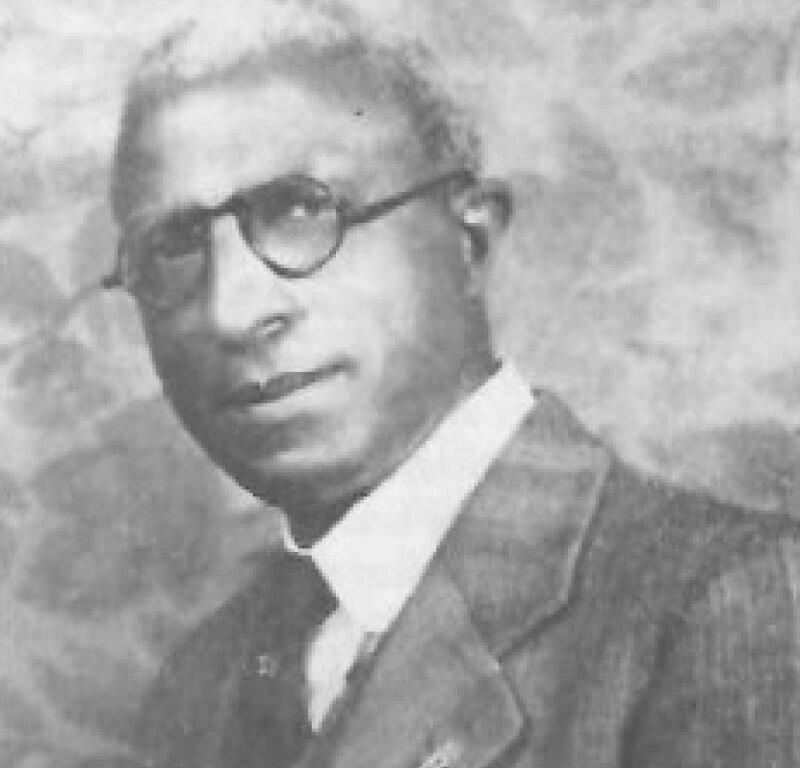
5. Dr. Robert Burt, opened our first hospital
Dr. Robert Tecumseh Burt was born in Mississippi in 1873. He started as a teacher, then enrolled at Meharry Medical College in Nashville, graduating in 1897. He opened his first office in McMinnville, then in 1904, he relocated to Clarksville to set up a medical practice on Third Street. In the beginning of his career, he only served Black patients, but in time he opened his practice to patients of all races. In 1906, Burt opened Clarksville’s first hospital, The Home Infirmary, near what is now Riverside Drive. Burt operated his hospital until Clarksville Memorial Hospital opened in 1954, just one year before he died in 1955.
Today, Clarksville honors Burt’s memory in the names of the old Burt High School (later Burt Elementary, and now Burt Innovation Center), and the city’s Burt-Cobb Recreation Center, as well as in an exhibit at the Customs House Museum and Cultural Center.
| MORE: 10 Black leaders who helped to shape Clarksville’s future against all odds
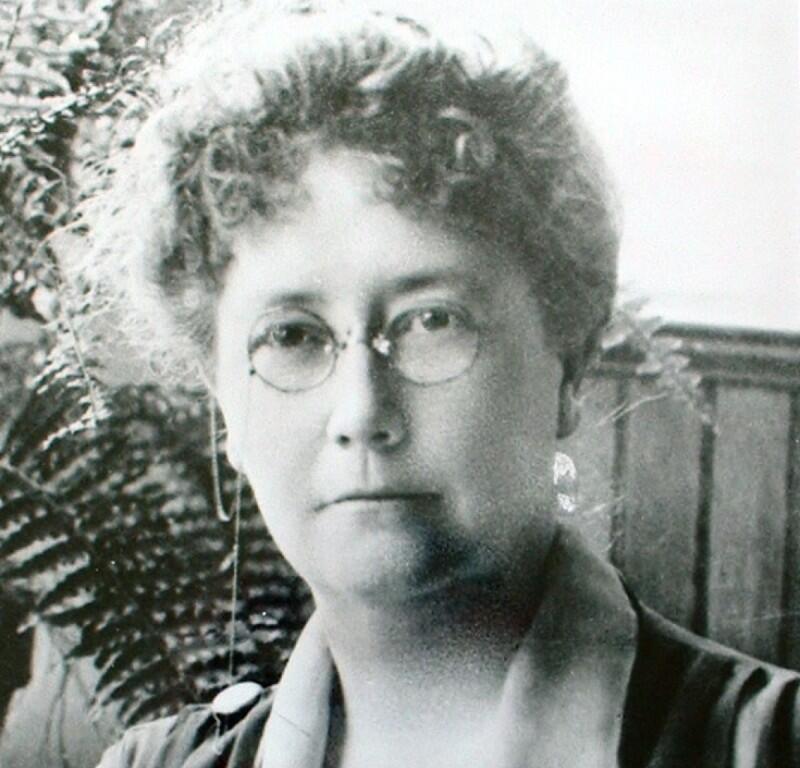
6. Brenda Runyon, bank founder
Brenda Vineyard Runyon was born in 1868 in Missouri, and her family moved to Trenton, Kentucky. She was active in Clarksville for many years and was the first woman to serve on the Clarksville-Montgomery County Board of Education. Her efforts during World War I helped to establish Clarksville’s first local Red Cross chapter.
But her biggest contribution was as founder and director of the First Woman’s Bank of Tennessee. Opening on Oct. 6, 1919, First Woman’s Bank was the first bank in the United States to be directed, managed and staffed entirely by women. The bank was created during the women’s suffrage movement, at a time when many women desired a way to bank separately from their husbands and fathers. Welcoming deposits from both men and women, they collected a deposit of nearly $20,000 the first day of operation. In 1926, after an illness, Runyon resigned as director, and the bank merged with First Trust & Savings Bank, which eventually became part of Bank of America. Runyon died in 1929 and is buried in Greenwood Cemetery.
| MORE: 11 women to remember as part of Clarksville history, from Stockade Annie to Faye Smalley
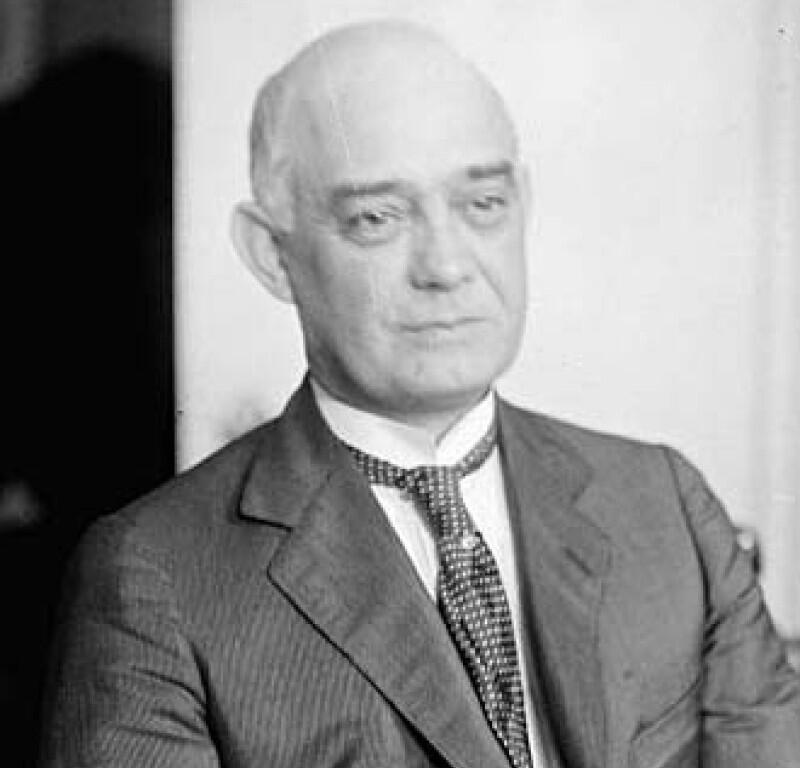
7. Gov. Austin Peay, namesake of APSU
Gov. Austin Peay born in 1876 near Hopkinsville, Kentucky. He studied law and, after passing the bar, married Sally Hurst of Clarksville. Peay was an attorney in Clarksville for six years before being elected to the Tennessee House in 1901. He served two terms before returning to his law practice. Peay ran for governor in 1922 and won on a platform of tax reform, completing the state highway system, and improving public education. Gov. Peay was then elected to serve a second and third term.
In April 1927, he signed the bill creating what became Austin Peay Normal School, named in the governor’s honor. It later became Austin Peay State College and then Austin Peay State University. Just six months later, in October 1927, Peay died in office in the executive mansion in Nashville of a cerebral hemorrhage.
| BUSINESS OWNERS: Click here for a free consultation for advertising your business on Clarksville Now
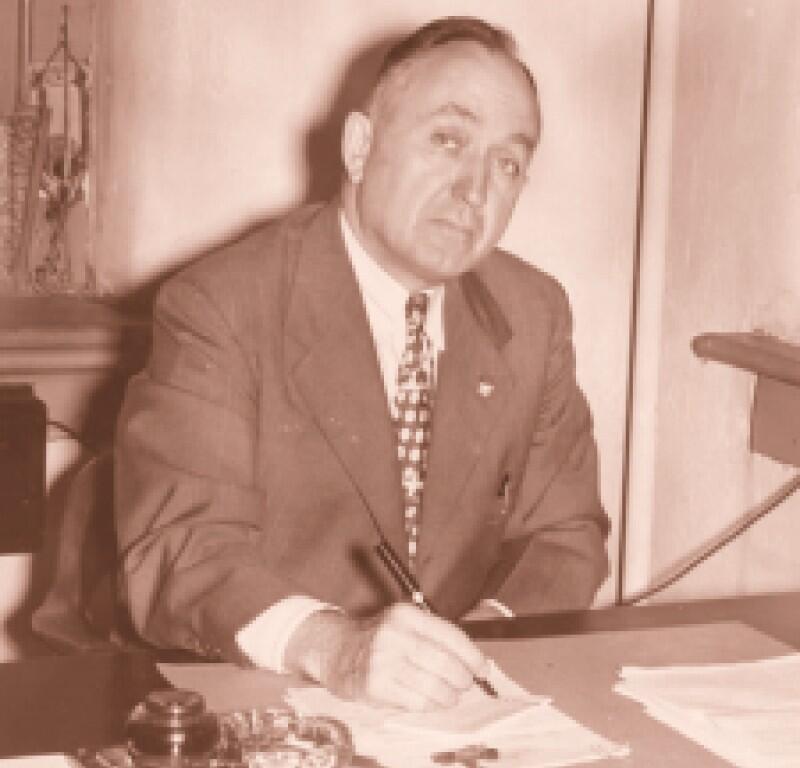
8. Halbert Harvill, revitalized Austin Peay State University
Born in 1893 in Hickman County, Halbert Harvill served in the Army during World War I, then became a professor of history and basketball coach at Austin Peay Normal School before shipping off again to serve in World War II, rising to lieutenant colonel. Not long after his return stateside, in 1946 he was appointed president of Austin Peay State College, taking over a campus that had diminished to only 200 students, and with campus buildings crumbling from neglect. He led a complete rebirth of the institution, growing the enrollment to over 2,000. By the time he stepped down in 1962, eight new buildings had appeared on campus, including the quadrangle made up of the Browning, McCord and Clement buildings.
Two years after retiring as president in 1962, Harvill was elected to the Tennessee Senate, at 70 years old. He served for 16 years before retiring, again. He died at Clarksville Memorial Hospital in 1986.
| BREAKING NEWS PUSH ALERTS: Sign up for our free Clarksville Now app

9. Wilma Rudolph, Olympian, civil rights icon
Wilma Rudolph, born in June 1940 in St. Bethlehem, faced misfortune from an early age, being diagnosed with polio and told she would never walk again. She beat those odds and ended up being a basketball star at Burt High School, then excelled in track at Tennessee State University. Her success led her to qualify for her first Olympics in 1956. She competed in the 4×100 relay in Melbourne, Australia, winning bronze. Rudolph’s dominance escalated in the Rome Olympics in 1960. This time, she won three gold medals and broke three world records. She became the first American woman to win three gold medals in track and field at a single Olympics.
Most importantly for Clarksville’s history, after the Olympics she refused to attend her own homecoming parade unless the event was racially integrated. Rudolph’s actions led to the first fully integrated event in Clarksville. She later look part in large-scale efforts to integrate Clarksville businesses. Rudolph died in November 1994. Her name carries on in Wilma Rudolph Boulevard, dedicated to her in 1994. A life-sized bronze statue of Wilma Rudolph has been placed at the Wilma Rudolph Event Center at Liberty Park.
| LOCAL NONPROFITS: Your Clarksville Now guide to getting help, giving help
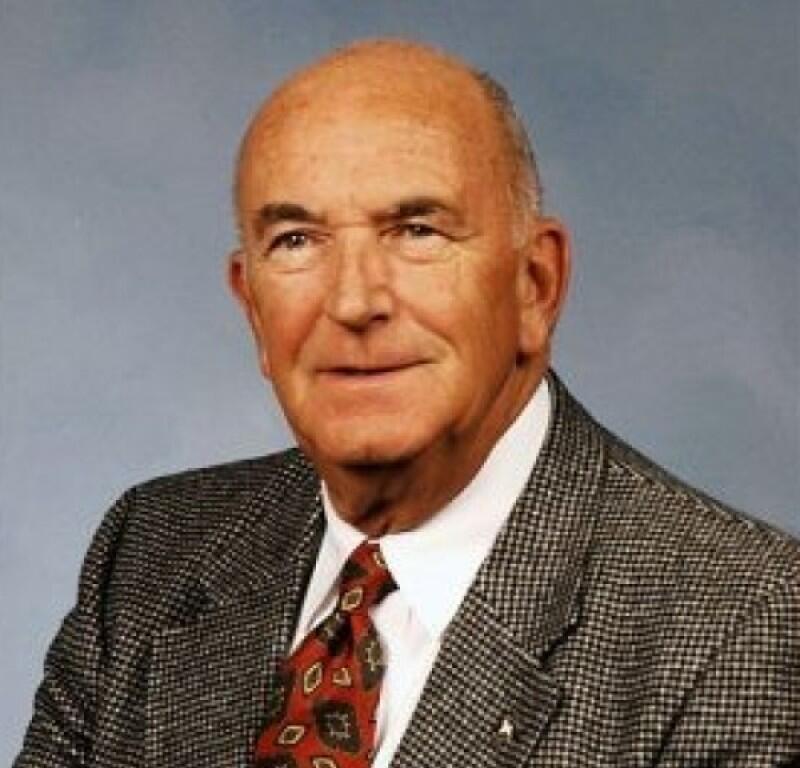
10. Mayor Ted Crozier, led annexation of St. B
Ted Crozier Sr. was an Army colonel who was the first commander of the 101st Combat Aviation Brigade. After retiring from the military in 1977, he pivoted quickly to running for Clarksville mayor and won election in 1978. During his two terms, he brought Clarksville forward on several fronts, including the creation of Clarksville Transit System and a new sewage treatment plant that took the city off a federally imposed sewer moratorium. But he’s most well known for the annexation of St. Bethlehem, which proved to be both his legacy and his undoing.
At the time, Governor’s Square Mall was under construction, and making St. B part of Clarksville would substantially increase the city’s property tax base. After a close and contentious referendum vote, the annexation passed. However, in the mayoral election just a couple of months later, St. B got their payback, swinging the results against Crozier’s re-election. Crozier reflected on the controversy in an interview with The Leaf-Chronicle in 1986: “What’s right isn’t always popular, and what’s popular isn’t always right.” Today, the wounds have healed, and St. B is considered as much a part of Clarksville as the downtown. Crozier died in 2017, and a city road through St. B bears his name.
| PREVIOUSLY: 10 moments in history that made Clarksville what it is today: From tobacco heyday to St. B annexation
| COMING UP: Worst disasters in local history, and Photos of Clarksville: then and now.
Sources: Historic Clarksville: 1784-2004, Montgomery County Archives, Montgomery County Historical Society, Leaf-Chronicle archives, Austin Peay Alumni Magazine, Tennessee Historical Quarterly, Clarksville Now archives.