


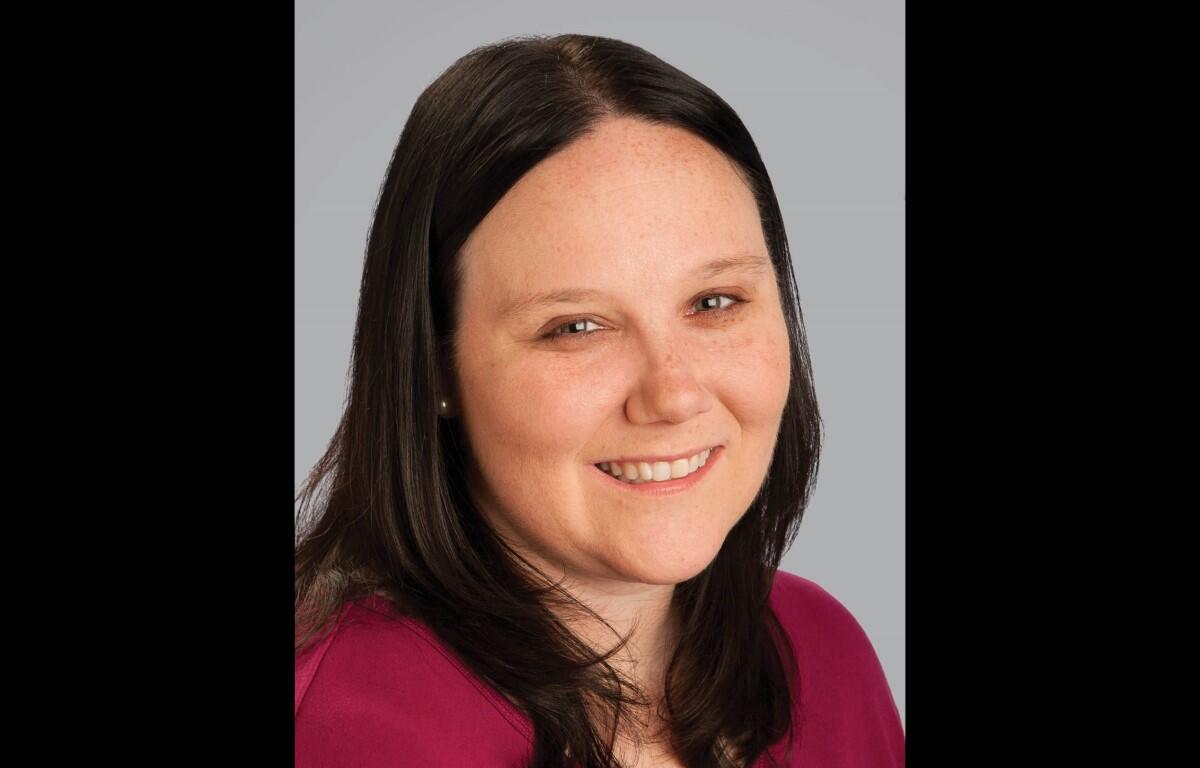

Contributed commentary by Rachel Moses of the Legal Aid Society on school support:
With the school year now underway, families across Middle Tennessee are getting familiar with new routines, new schools and new instructors. It’s not always an easy process.
As the year progresses, some parents may realize that their children are struggling in school, be it because of the environment, the curriculum or even a medical or psychological condition that limits the student’s ability to reach their potential. For those students, various educational support services and accommodations are available under federal law, including specialized equipment or materials, personalized instruction, counseling, interpreters, or occupational and physical therapy.
As an attorney at Legal Aid Society of Middle Tennessee and the Cumberlands specializing in education rights and school support, I provide free legal representation for low-income families as they work with school administrators to make sure their children get the services and accommodations to which they’re legally entitled.
While every student’s educational needs are different, most fall into a few buckets:
- Students with learning disabilities, often caused by a medical condition such as ADHD or a neurodevelopmental disorder like autism, which makes it difficult for them to concentrate in the classroom.
- Students with common mental health conditions like depression and anxiety, which can cause them to miss classes or get lower grades that don’t reflect their capabilities.
- Students with medical conditions that necessitate regular treatment during school, such as insulin injections for diabetes.
I assist parents through the process of determining a student’s eligibility for an individualized education plan, or IEP, which can include special services or support for a specific need. Students who are determined not to need an IEP might instead qualify for accommodations or modifications to their curriculum under Section 504, another federal law.
For example, a student with a learning disability might need extra time on tests or modifications to the way material is presented in class. A student with mental health challenges may require flexible scheduling to accommodate medication side effects or extended deadlines on assignments during mental health crises. And students with medical needs can receive daily prescription medications from a school nurse or be eligible for other accessibility modifications.
Lack of clear communication is one of the most common roadblocks in getting students the educational help they need. Parents aren’t always made aware of the services that are available for their children, and they also don’t always know the right way to start the process through a formal request.
If you believe your child requires a special service or accommodation at school, the first step is to email or write a letter requesting a meeting with educators, making sure to include multiple people at the school to ensure the request is documented. From there, the school is legally bound to contact you within a set number of days.
Before meeting with educators, it’s always a good idea for parents to consult their child’s primary care physician, especially if there have been alleged behavior issues, anger, physical aggression or not paying attention. Having a formal diagnosis can help the school determine the right way to accommodate the student’s specific condition.
Once a student has a formalized IEP, parents will be in regular contact with a designated special ed teacher at the school. That teacher should be following up to make sure the IEP is being implemented and updated properly.
As students mature, their IEPs should continue changing to reflect the people they’re turning into. I’ve seen a lot of students struggle with behavior issues during their late elementary years, which resulted in them being segregated in special classrooms where they didn’t get to interact with their peers. Sometimes these isolating, restrictive environments stifle them academically. Through sustained advocacy, I’ve been able to get several students returned to less restrictive environments, where they’ve thrived academically and behaviorally.
Ultimately, educators and parents have the same goal of helping students reach their potential. If your child is having difficulties at school and may benefit from special education services, Legal Aid Society may be able to help. Please call us at 1-800-238-1443 to learn more.
Rachel Moses