




CLARKSVILLE, TN (CLARKSVILLE NOW) – At the end of last year, the City Council approved a proposal that gives the Clarksville Police Department access to grant funding to buy new oral drug testing equipment.
Here’s what to know about the system they’re looking to implement, as well as the timeline.
Device background, CPD comments
The new oral drug testing system is handheld, allowing officers to take a driver’s saliva sample and test it for drugs on the spot, according to previous reports. CPD spokesperson Scott Beaubien told Clarksville Now they will be one of several Tennessee agencies to receive the SoToxa Oral Fluid Mobile Test System.
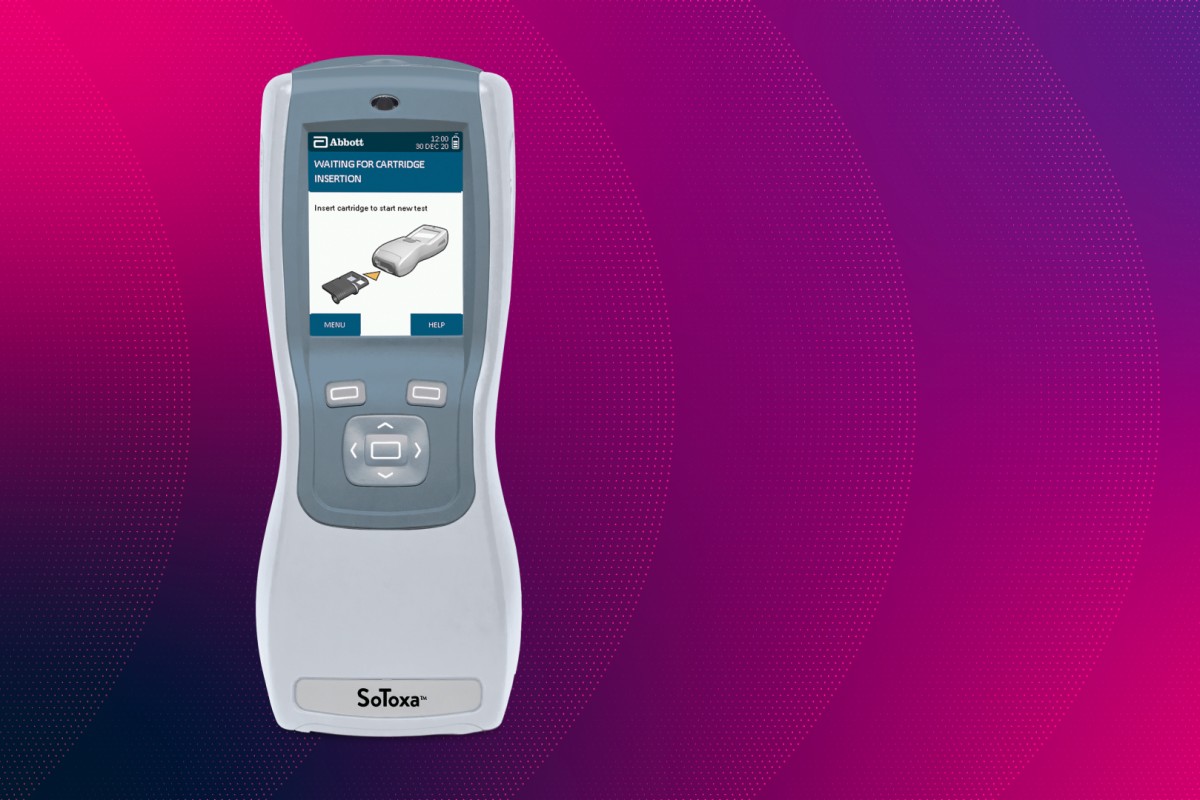
“This system is intended to enhance investigations related to driving under the influence (DUI), vehicular assault, and vehicular homicide. Provided by the Tennessee Highway Safety Office (THSO) in partnership with the Tennessee Bureau of Investigation (TBI), the portable device assists officers in identifying impaired drivers,” said Beaubien.
Beaubien said that after probable cause is established for any of these offenses, the device will be utilized only by officers who are trained to administer the oral fluid test. “The test provides qualitative (positive/negative) results for various controlled substances,” said Beaubien.
This initiative follows the passage in March of Tennessee Code Ann. § 55-10-406, which authorizes such tests and makes their results admissible in court, Beaubien said.
| DOWNLOAD THE APP: Sign up for our free Clarksville Now app
“This benefits law enforcement and the public by streamlining evidence collection, strengthening cases, and improving public safety by helping to remove impaired drivers from the roads more effectively,” he said.
Implementation timeline
As for when the devices will be used, that will come after training takes place, and that training hasn’t yet been scheduled.
“Now that the MOU (memorandum of understanding) is signed, I have reached out to schedule training on the SoToxa devices,” said THSO spokesperson Tony Burnett told Clarksville Now. “This will include hands on training for each person that will use the SoToxa. I will also be going through a PowerPoint presentation explaining the device, what it tests for and proper care for the device. We will also discuss oral fluid in general and how they are unique from other body fluids.”
Burnett said as soon as the users are trained, the devices can be implemented. It’s expected to be one day of training, he said.
CPD has not received the devices.
What is an Oral Fluid Mobile Test System?
The SoToxa Oral Fluid Mobile Test System comes from Abbott Toxicology, and they describe the system as being developed to meet the high-performance demands of law enforcement agencies while maintaining reliable results, according to their website.
Their website says the analyzer can store over 10,000 results, which can be printed at the end of the test or reprinted from a memory card.
In an interview with Clarksville Now, Abbott Technology spokesperson Amber Dutra said that SoToxa was created to test for the active compound that indicates recent drug use. She said it can detect up to seven drug classes: amphetamines, benzodiazepines, cannabis (THC), cocaine metabolite, methamphetamine, opiates and fentanyl. Here’s a step-by-step process of how the device works:
- An officer will insert the test cartridge into the analyzer.
- Collect the oral fluid sample (by a cheek swab).
- Insert the collection device into the test cartridge.
- Results in minutes.
“That’s the value of using oral fluid,” Dutra said. “It’s important to note that SoToxa measures the active presence of drugs in the person’s system, not the level of impairment.
“If the SoToxa test comes back positive for recent drug use, Abbott recommends a secondary lab test to confirm the test results. This is a standard practice that many police already follow for portable breathalyzer tests that show a driver’s blood-alcohol content is above the legal limit,” she said.
Cutoff levels per drug class
Abbott Technology’s website shows the cutoff of each drug class in nanograms per milliliter (ng/mL). According to AdvanceStudy.org, which is a national pilot study funded by the U.S. Food and Drug Administration, ng/mL is a measurement which represents the concentration of a substance in a person’s system.
AdvanceStudy.org says the measurement is crucial for determining whether a drug is present and, critically, whether it exceeds the established cutoff level for a positive test.
“Cutoff levels are pre-determined concentration thresholds established by regulatory bodies or testing laboratories. These levels serve as the boundary between a negative and a positive test result,” said AdvanceStudy.
According to Abbott Technology’s website, here’s the cutoff level (ng/mL) pertaining to the drug classes on their Oral Fluid Mobile Test System:
- Amphetamine: 50.
- Benzodiazepines: 20.
- Cannabis (THC): 25
- Cocaine: 30.
- Methamphetamine: 50.
- Opiates: 40.
- Fentanyl: 4.
Factors relating to drug test results include dosage, frequency of use, metabolism, time elapsed since last use, hydration levels, and the specific drug and metabolite, said AdvanceStudy.org.
Where is the test currently being used?
Dutra said that law enforcement agencies across more than 30 states currently use the device in question. In Tennessee, there are approximately 50 systems in use, she said.
| DON’T MISS A LOCAL STORY: Sign up for the free daily Clarksville Now email newsletter