


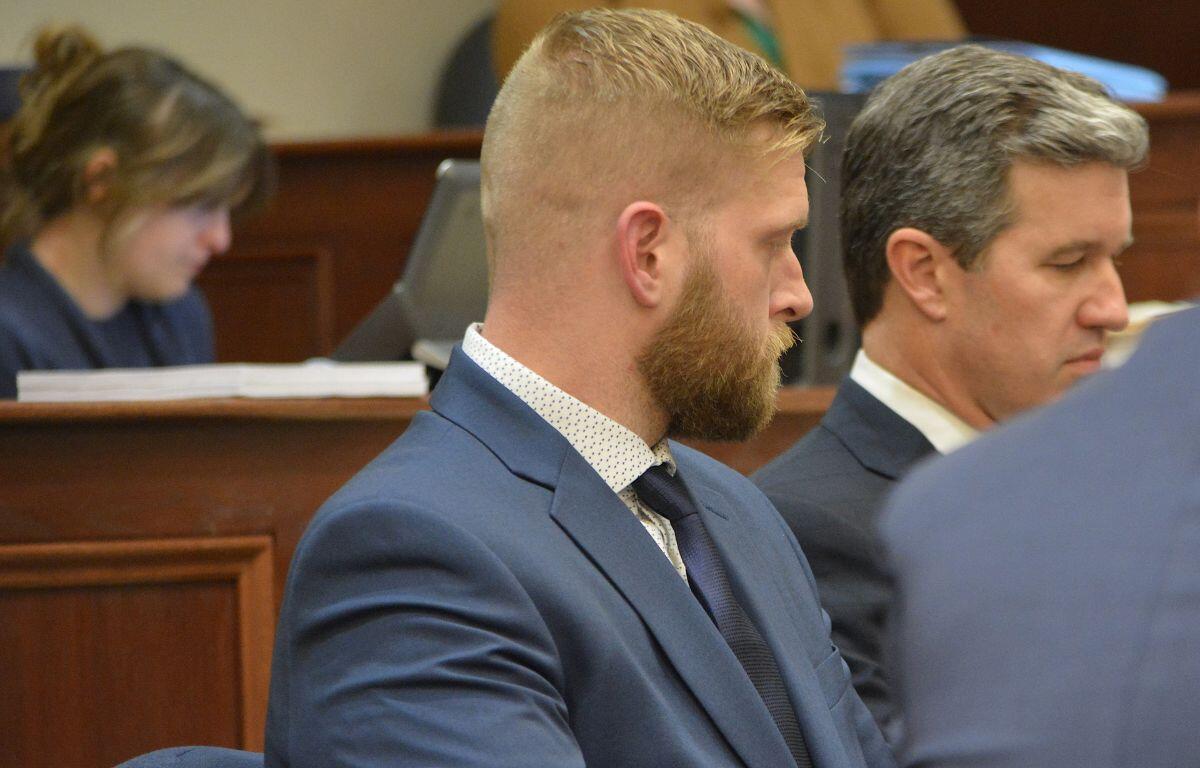

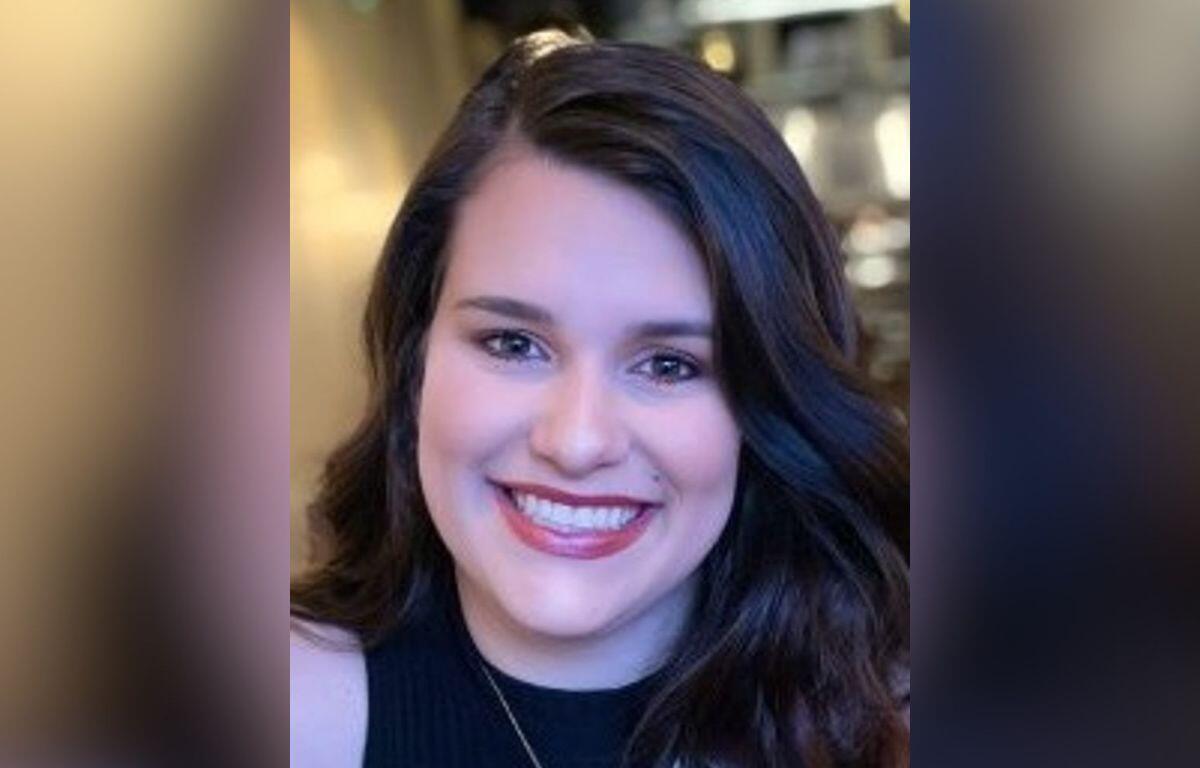
CLARKSVILLE, TN (CLARKSVILLE NOW) – After two days of testimony and deliberations spanning from late Thursday morning through Monday, a Montgomery County jury returned a verdict in the trial of Zachary Michael Schunn, charged in the 2021 Tiny Town Road wreck that killed 21-year-old Kaitlyn Harris and injured her infant son.
Jurors found Schunn guilty on two counts of DUI, including DUI per se and a lesser-included DUI charge. He was found not guilty of vehicular homicide by intoxication, not guilty of reckless homicide and not guilty of vehicular assault. On the reckless endangerment count, jurors found him guilty of the lesser-included offense of DUI.
The crash happened around 8:30 a.m. on May 5, 2021, when Schunn’s silver SUV crossed into the passing lane near Tiny Town Road and Peachers Mill Road, striking Harris’ vehicle head-on.
Prosecution: Schunn was ‘profoundly intoxicated’
Assistant District Attorney Nathaniel Sherman told jurors the evidence showed Schunn was impaired, driving recklessly and responsible for the crash that killed Harris and broke her 9-month-old son’s legs.
“He was drunk,” Sherman said. “He hit her and he killed her.”
Sherman reminded jurors that Schunn’s blood alcohol concentration measured 0.196 when tested at Skyline Medical Center about an hour after the crash. He noted that Skyline tested plasma, while the Tennessee Bureau of Investigation’s whole-blood test showed 0.149. He referenced testimony that both results reflect the same level of intoxication once converted, with the difference due solely to the type of sample tested.
“He was profoundly intoxicated by the alcohol alone,” he said. “In concert with the Ambien, he was not safe to operate a motor vehicle.”

Sherman pointed to eyewitness accounts and dash camera footage showing Schunn swerving through morning traffic. He argued that Schunn knowingly took Ambien without reading the warnings, consumed alcohol and chose to drive to work in full Army uniform.
“The defendant said the Ambien in this case made him sleep through all of the stuff he did,” Sherman said. But he noted that about two weeks after the crash, Schunn’s medical records revealed he told doctors the medication was “unhelpful,” and his wife reported he was still tossing and turning at night.
Sherman also referenced Schunn’s prior testimony that he turned to binge drinking when his medications stopped working. “The defendant couldn’t sleep,” he said, “and now Kaitlyn Harris never gets to wake up.”
Defense attorney: ‘This is a case of restlessness”
Attorney Chris Clark argued that Schunn was involuntarily impaired and “consciously unaware” due to a rare adverse reaction to Ambien. “This case was not recklessness,” he said. “This is a case of restlessness.”
Clark said toxicology results showed Schunn must have unknowingly taken a second dose of Ambien between the night before and the morning of the crash. He told jurors the FDA recognizes sleepwalking, sleep eating and even sleep-driving as rare side effects of the drug.
“He had a history of blackouts,” he said, arguing Schunn should never have been prescribed the Ambien given his medical history and alcohol abuse disorder. Based on testimony, Clark said Schunn was “15.2% more likely” to develop complex sleep behaviors.
| DON’T MISS A LOCAL STORY: Sign up for the free daily Clarksville Now email newsletter
Clark told jurors that Schunn took a second dose, consumed alcohol, got dressed in uniform and drove to work while completely unaware of his actions, simply following a routine.
“We know his mind was regressing,” he said, referencing body camera footage in which Schunn told officers he was 11 years old. Clark said Schunn had been sober for months leading up to the crash and was only drinking in the past as a form of self-medication for insomnia.
He urged jurors to set aside sympathy and focus solely on the evidence.
Verdict and sentencing in DUI homicide case
Jurors began deliberations late Thursday morning, paused for the weekend after several hours and resumed Monday morning before reaching their verdict.
Under state law, a first-offense DUI carries a minimum of 48 hours in jail and up to 11 months and 29 days. This also includes fines, license revocation and mandatory treatment.
Sentencing is scheduled for May 22 at the Montgomery County Courts Center.
| ADD US ON GOOGLE NEWS: Click here to see more local news from Clarksville Now