


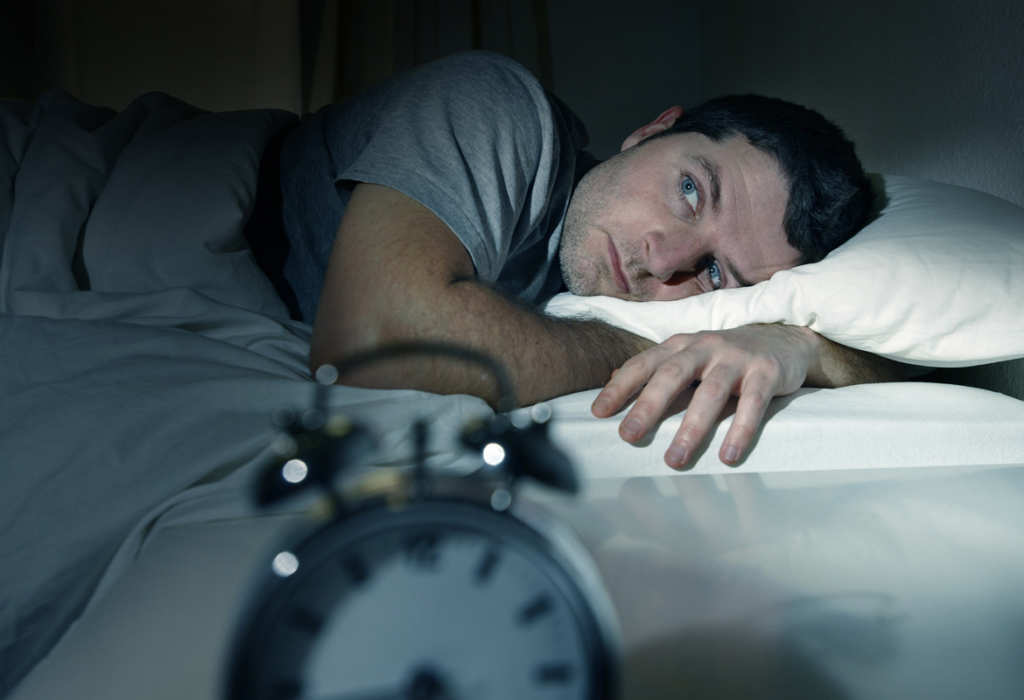

Are you counting sheep or the items on tomorrow’s “to do” list all night? If so, you may want to examine your overall health. It takes more than a morning cup of coffee to recover from the effects of lack of sleep.
While you sleep, your body does a lot of essential chores: It repairs damaged tissues, secretes hormones and pulls the day’s experiences together into long-term memories. Without enough sleep, your physical and mental well-being can suffer.
Gut Health
Your microbiome, the healthy bacteria that live mostly in your gastrointestinal (GI) tract and help regulate your immune system and moods, relies on sleep to prosper. These organisms have a circadian rhythm based around your sleep cycle. When this rhythm is interrupted, they can’t influence your immune system as well. For instance, if you have inflammatory bowel disease, you may experience a flare-up. Other GI functions, such as regular bowel movements, also rely on regular sleep.
Mental Changes
Your mind reaps sleep benefits in more ways than just a better memory. People who drive on fewer than seven hours of sleep are prone to accidents; in fact, “drowsy driving” can be nearly as fatal as drunken driving, according to the National Sleep Foundation. Drowsy driving causes more than 70,000 auto accidents each year. After 24 hours of steady wakefulness, a person has the reactions of someone with a blood alcohol content of .10, which is well above the legal limit in all states.
Maintaining Weight
Sleep also helps with weight control. Of course, you can’t eat while you’re sleeping — but it’s more than that. At a behavioral level, people who are tired may reach for a sugary soda to perk them up. Meanwhile, at the chemical level, a sleep-deprived body produces extra ghrelin, the hunger hormone. A tired body also pumps out the stress hormone cortisol, priming itself to hang onto all the calories it can.
So if you’re not sleeping at least seven hours a night, take a careful look at your habits. Find ways to work in more rest. Your mind and body will thank you.
Waking Up Tired?
If you’re clocking plenty of hours in bed but still feel tired or doze off during the day, you may have sleep apnea, a common sleep disorder. Signs include:
• gasping or stopping breathing for short periods during sleep
• snoring or snorting while asleep
• trouble concentrating during the day
• waking up with a headache
If you experience any of these symptoms, ask your primary care doctor about scheduling a sleep study.
Don’t have a primary care doctor? Tennova Medical Group is here to help. Our family practice office located on Tiny Town Road welcomes new patients of all ages. Call 931-502-2423 or visit TennovaMedicalGroup.com. Ask about our same- and next-day appointments.
For more health and wellness articles like this one, visit our blog at TennovaWellness.com
This publication in no way seeks to diagnose or treat illness or to serve as a substitute for professional medical care.