


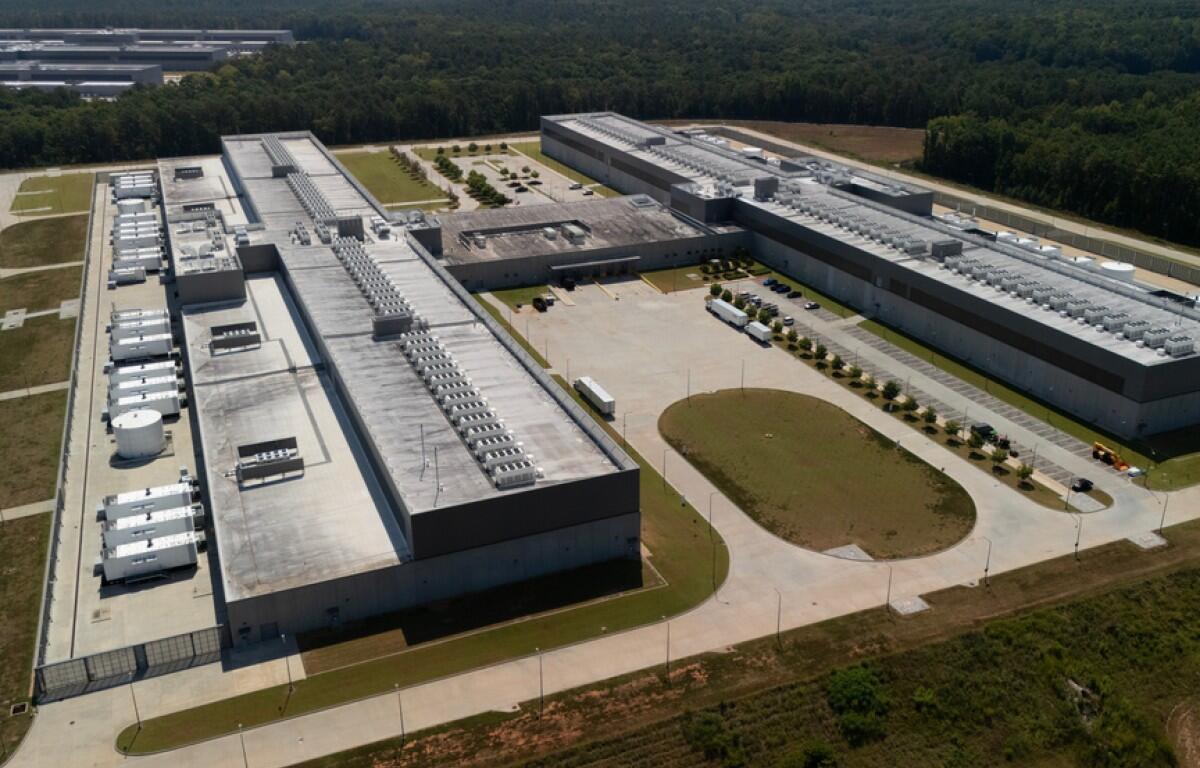

CLARKSVILLE, TN (CLARKSVILLE NOW) – The Montgomery County Commission voted this week to approve tight zoning restrictions on any future data centers, including limits on setbacks, noise, as well as water and power use. However, each time the proposal has come up, many have responded – in meetings or in social media comments – that what we need is an outright ban.
So, why hasn’t a ban been officially proposed? Here’s how this works, and how we can get to a solution.
1. Can Clarksville ban data centers?
Probably not. Here’s the thing: Tennessee has laws that protect land owner rights. A land owner can sell to anyone they want. And, within zoning rules, the buyers have the right to do what they want with that land, including building a data center. If the government tries to stop them, they can sue, and they would probably win. Attorney David Raybin speaking to NewsChannel 5 in Nashville took it a step further. He says long-term bans won’t hold up to legal challenges without a change to state or federal laws.
2. Then can we have a moratorium?
Probably yes. The idea behind a moratorium, or temporary ban, is to press pause on things while the government sorts out a solution and puts new rules in place. The thing is, though, that’s what the Clarksville-Montgomery County Regional Planning Commission is already doing: Coming up with new zoning rules that would apply to any future data centers. That said, it might be a good idea to establish a moratorium now, so that nothing can jump in before the city and county have a chance to approve those rules.
3. Can we ban data centers through zoning?
Probably not. If the zoning rules are overly restrictive, or say something like “no data centers,” that could result in a lawsuit that the county or city would lose. However, we can still get what we want, by looking into all of the concerns that people have about data centers and establishing limits in the zoning rules that specifically address those concerns, according to RPC Director Jeff Tyndall.
4. What’s in proposed zoning rules?
I’m glad you asked. Here’s are the proposed zoning rules for any new data centers – or data center expansions – in Montgomery County:
- Property minimum of 10 acres, and no larger than 100.
- Minimum 100-foot setback from all zones except M1 and M2 (M is a manufacturing zone).
- Minimum 500-foot setback from residential zones.
- Noise plan for no greater than 3 decibels over ambient levels.
- Noise cannot exceed 55 decibels unless next to only industry. (55 decibels is about the hum of a refrigerator.)
- Letter from water provider confirming it can meet the need.
- Letter from power and gas providers confirming they can meet the need.
- Applicant must pay for any needed utility infrastructure improvements, and applicant must pay for all utilities.
These zoning rules for Montgomery County will take effect immediately, but there’s a hitch: Because the County Commission added that bit about residential setbacks, the rules now have to go back to the RPC for re-approval, then to the commission for re-approval. Once that’s sorted, the RPC plans to propose similar rules for the City of Clarksville.
In addition to this, there is a fairly new state law that says data centers that need 50 megawatts of power or more have to produce their own “behind-the-meter” power or buy electricity from an “independent power producer. This keeps residents from subsidizing massive data centers through their power bills.
5. Is data center coming to Montgomery County?
Nope. At least not anytime soon. Clarksville Now has checked repeatedly with the officials who would be on the receiving end of any such proposal, and they say nothing is on the horizon.
This may be in part because we already have a data center: the Google Data Center that opened in 2019, years before people started raising objections.
But with data centers popping up all over the country, and with the fast pace of growth in Montgomery County, we need to decide now on what we can accept, so that whatever happens in five, 10 or 50 years meets our standards – not the standards of the highest bidder.
| GET YOUR LOCAL MORNING NEWS: Sign up for our free daily email newsletter.