


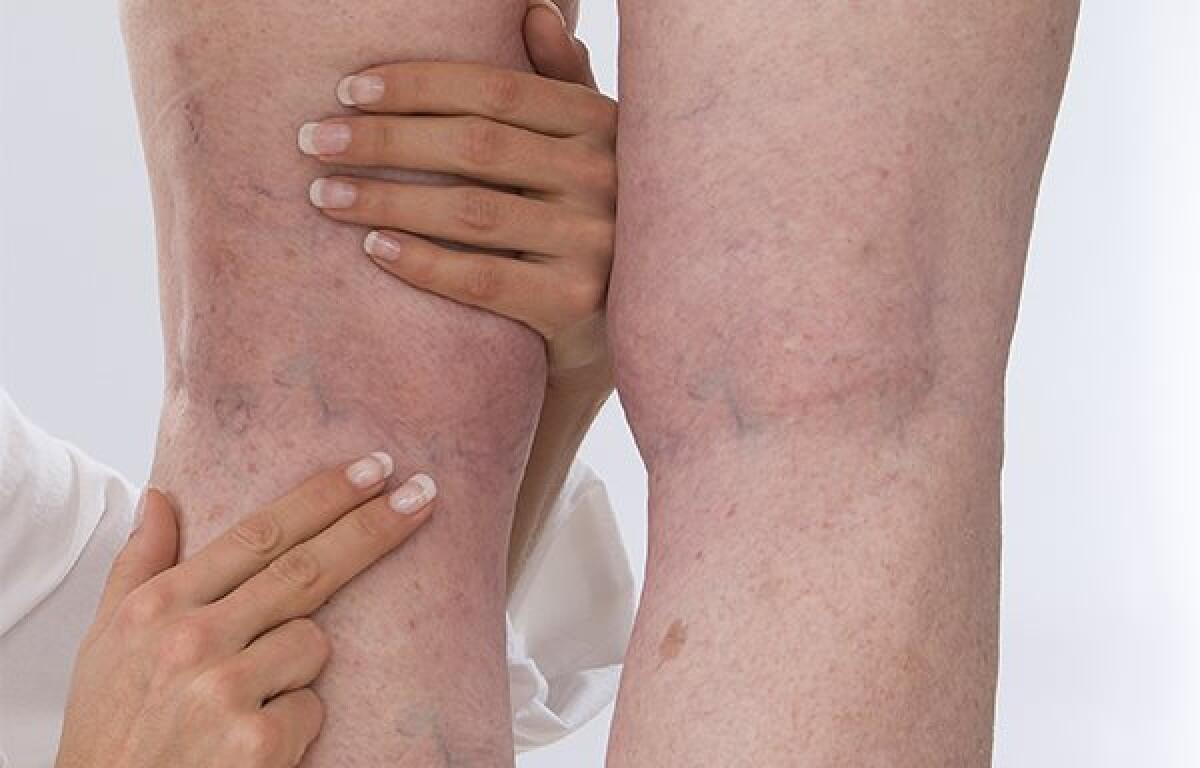

Did you know? Up to 300,000 Americans die from blood clots every year. That’s more than breast cancer, AIDS and car crashes combined. Yet fewer than 6% of Americans understand what a blood clot is or how to spot one forming, according to the National Blood Clot Alliance.
Here’s what many don’t realize: Blood clots rarely come out of nowhere. The warning signs have usually been building for months or years:
- Legs that ache after a long shift
- Swelling around the ankles that fades overnight but keeps returning
- Heaviness in the calves
- Restless legs that keep you up at night
More than 30 million Americans are living with some form of vein disease, according to the American Medical Association, and most assume those symptoms are just part of getting older or working hard.
It could be vein disease, which is progressive. What starts as tired legs can develop into chronic swelling, skin changes and, in serious cases, blood clots. But it’s also highly treatable when it’s caught early, and knowing what puts you at risk is the first step.
Who’s most at risk for vein disease
Studies show that office workers spend as much as 85% of their workday sitting. For someone working an eight-hour shift, that could mean nearly seven hours without meaningful movement in the legs. When blood stays pooled that long, the valves inside the veins start to wear down.
Workers who spend long shifts on their feet deal with the flip side of the same problem. The veins in the lower legs work harder hour after hour, and over time, that constant strain takes a toll. In the Clarksville area, where much of the workforce logs those kinds of shifts at Fort Campbell, on factory floors, in hospitals and in classrooms, it’s an especially common pattern.
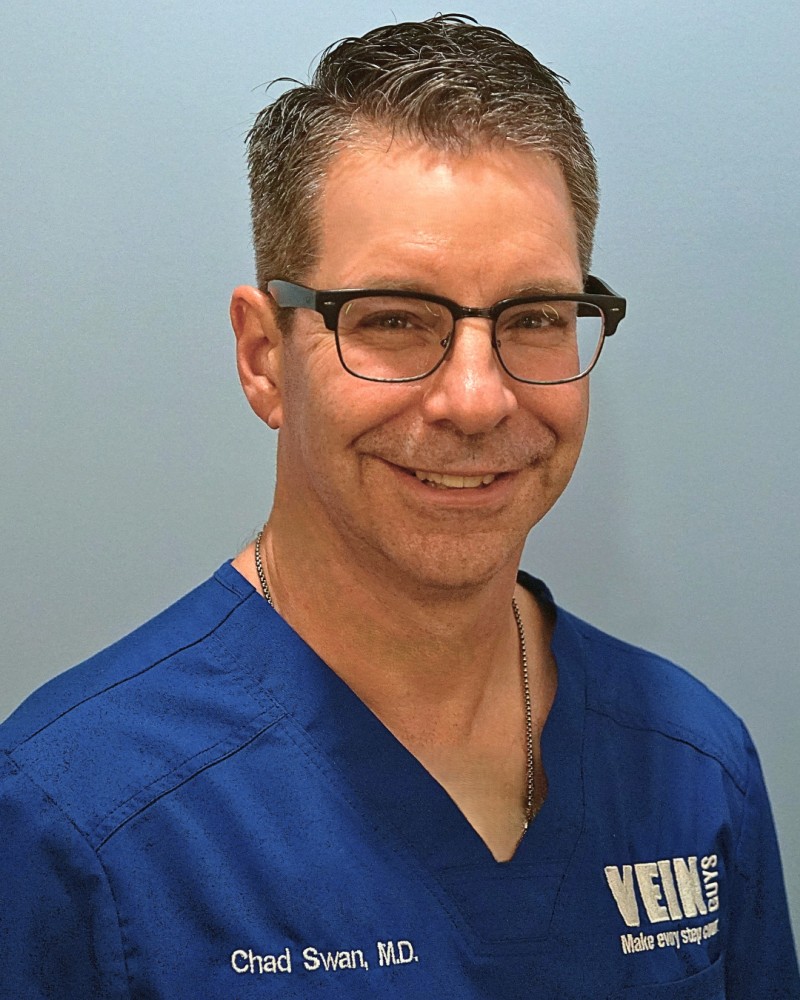
“The patients I worry about most aren’t the ones with a single risk factor,” said Dr. Chad Swan, a board-certified vascular surgeon at The Vein Guys in Clarksville. “It’s the ones who’ve been living with two or three of them for years and never asked about it.”
Body weight plays a role, too. Tennessee ranks among the top five states for adult obesity and No. 1 for obesity among women. Research published in the Journal of Vascular Surgery found that higher body weight increases the likelihood of developing varicose veins, in part because of the added pressure on the veins in the lower legs.
Age adds another layer. Chances of a blood clot roughly double with each decade after 40. Pregnancy raises the stakes as well. Pulmonary embolism remains a leading cause of maternal death in the United States, and many women develop vein problems during pregnancy that persist well after delivery.
Finding vein problems before they find you
March is Blood Clot Awareness Month, a designation that dates back to 2005 when the U.S. Senate passed a resolution honoring NBC journalist David Bloom. He died at 39 from a clot that traveled from his leg to his lungs while covering the war in Iraq. Two decades later, the awareness gap hasn’t closed.
Vein disease is diagnosed through a vascular ultrasound performed by a registered vascular technologist. It’s painless, it’s quick, and it shows exactly how blood is moving through the veins. Dr. Swan said that a single test is often the difference between catching a problem early and dealing with one that’s been compounding quietly for years.
If treatment is needed, today’s procedures are minimally invasive and done in-office under local anesthesia. Patients walk in and out the same day, and most return to their normal routine within 24 hours.
In the Clarksville area, The Vein Guys is a practice focused exclusively on vein disease. The team is led by board-certified physicians with decades of combined experience who have performed thousands of procedures. The practice has been established for more than 20 years across multiple states and accepts most major insurance plans, verifying benefits before treatment begins.
“The conversation around vein health is shifting,” Dr. Swan said. “More people are realizing this isn’t something you wait on. The science has caught up, the treatments have caught up, and the sooner someone walks through the door, the more we can do for them.”
Blood Clot Awareness Month exists because this condition is far more preventable than most people realize. If the risk factors in this article sound familiar, or if you’ve been living with leg symptoms you’ve been putting off, this is a good month to do something about it. The Vein Guys can be reached at www.veinguys.com or (866) 328-VEIN (8346). Most major insurance plans are accepted.
Your legs shouldn’t hurt at the end of every day, and they don’t have to.