



CLARKSVILLE, TN (CLARKSVILLE NOW) – What for decades has been known as “the zinc plant” is about to become something much more: Crucible Metals, a $6.6 billion global-scale smelter of metals – particularly rare metals – designed to meet U.S. supply chain demands.
The implications of what is being built here, in the largest economic development announcement in Tennessee history, can be hard to digest. Here are six highlights that might help.
1. Crucible will process much more than zinc
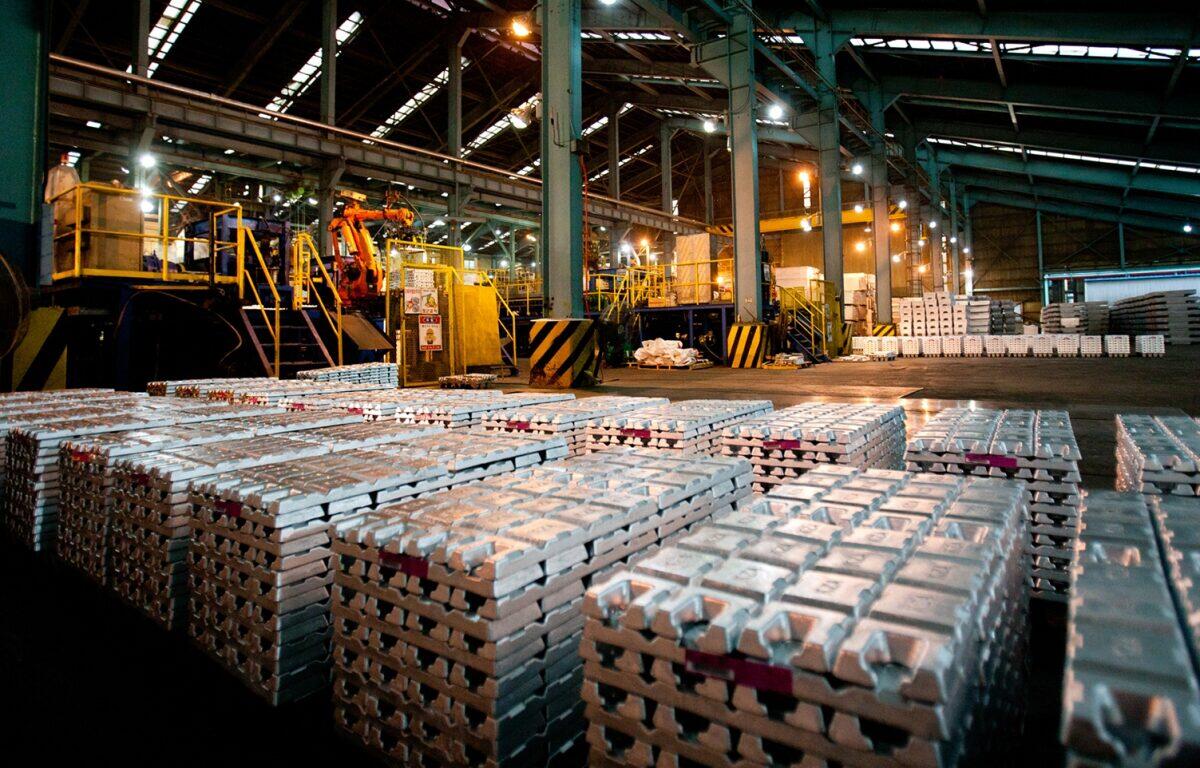
While locals will likely keep calling it the zinc plant for another few decades, the Crucible smelter will process much more than zinc, including lead, copper and precious metals:
- Zinc: 300,000 tons (over double current capacity)
- Lead: 200,000 tons
- Copper: 35,000 tons
- Silver: 1,040 tons
- Gold: 5 tons
The plant will also produce “strategic minerals” including antimony, indium, bismuth, tellurium, cadmium, palladium, gallium and germanium. The facility will process about 1.1 million tons of raw materials annually and produce a total of 540,000 tons of finished product.
2. Private sale of 1,200 acres from Nyrstar
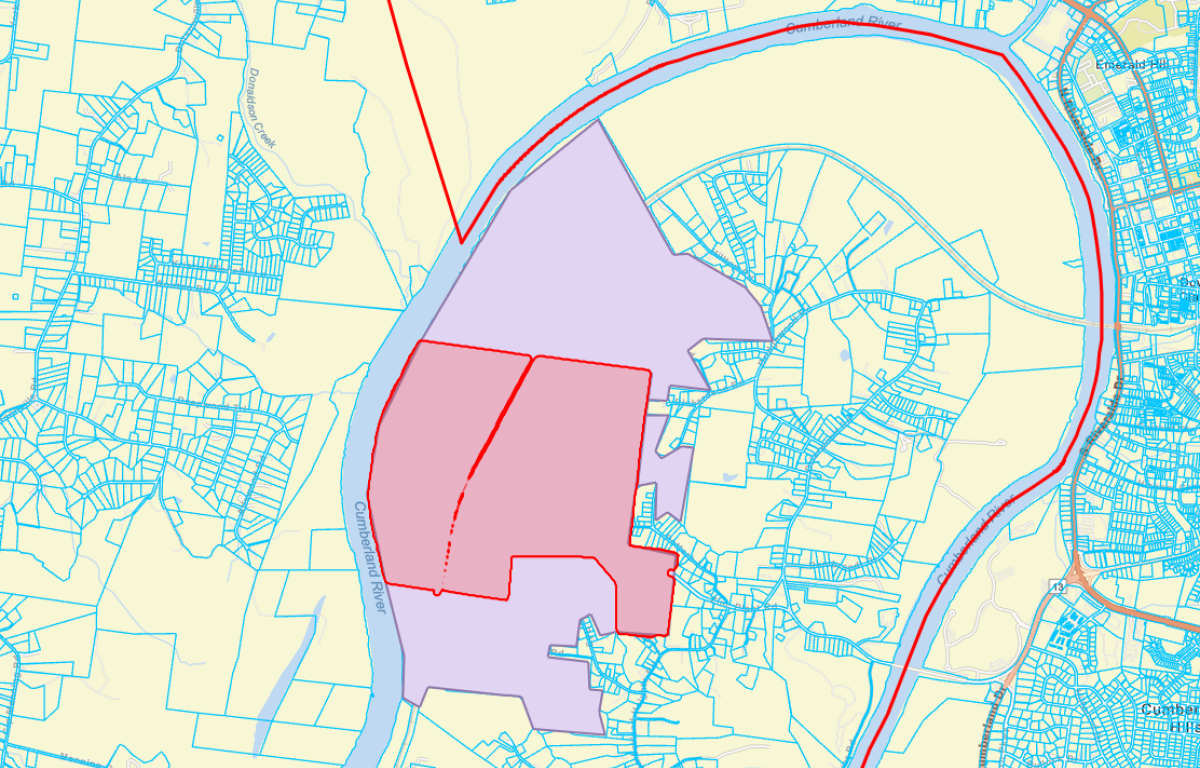
Unlike most major industrial openings in Montgomery County, this one doesn’t involve county- or Industrial Development Board-owned land. Nyrstar Zinc, a private company, is selling its 1,200 acres to Crucible Metals, an American company created by Korea Zinc.
The 1,200 acres consists of nine properties, with the largest being the 600-acre industrial-zoned property at the center. The other properties are all zoned agricultural (except for one zoned “forestry”). No rezoning will be required for the new facilities.
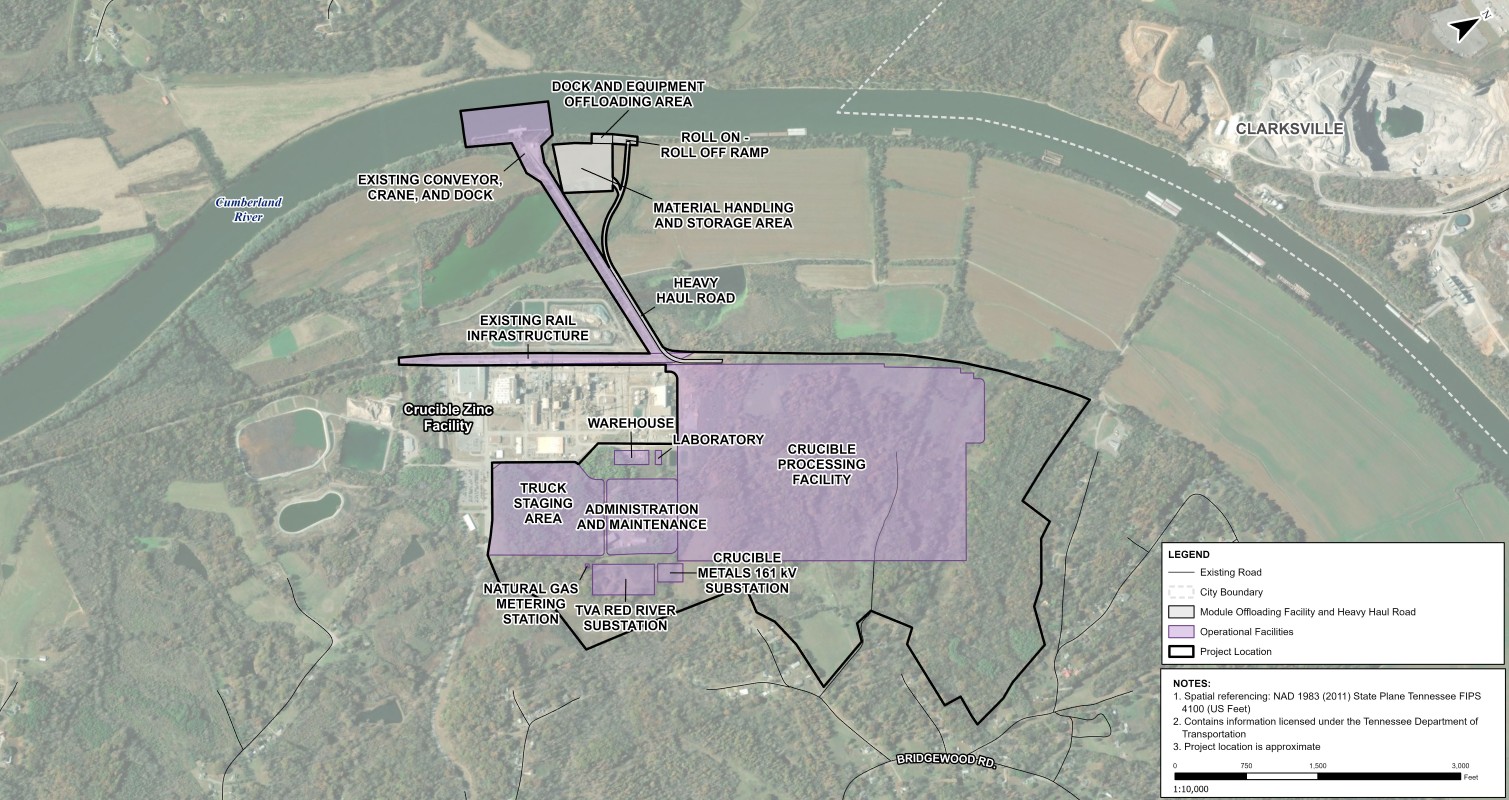
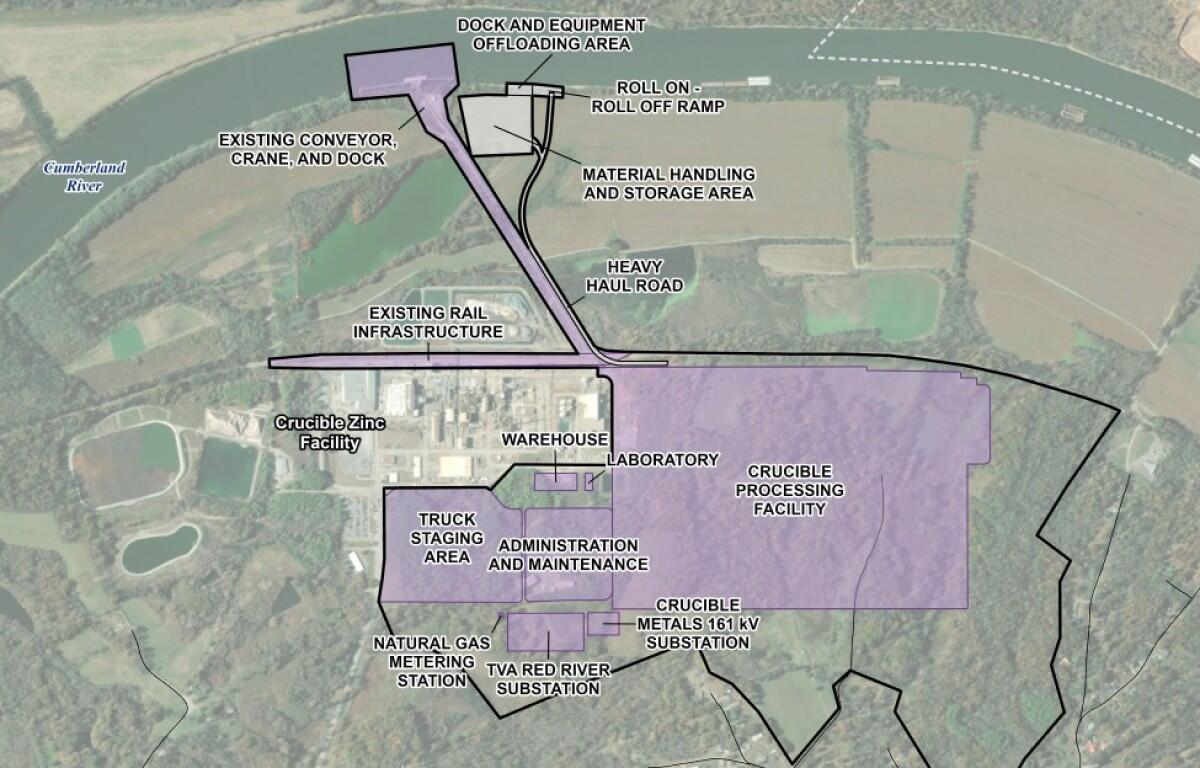
The current zinc plant – renamed “Crucible Zinc” – will remain in operation while Crucible Metals builds new 6.9 million-square-foot smelter facilities on the east and north sides. Once the new facilities are up and running, the old zinc plant will be shuttered, demolished and paved over with concrete, CMC Economic Development Council CEO Buck Dellinger told Clarksville Now.
3. 420 new jobs will pay at least $83,000
The new owners plan to keep all 300 existing employees, probably assuming that they’re all in good standing. During construction, they will continue employment at the existing zinc plant, Crucible Zinc. Once the new facilities are running and Crucible Zinc is closed, those 300 employees will move over to Crucible Metals.
The new Crucible Metals will hire an additional 420 workers, with these salaries:
- Office and Production: 271 jobs paying $83,000
- Installation and Maintenance: 112 jobs paying $100,000
- Management: 37 jobs paying $196,000
Those salary levels for the 420 new employees are required for Crucible Metals to keep its Montgomery County PILOT benefits, with some wiggle room (80% average, then 90% by 2036).
| BREAKING NEWS PUSH ALERTS: Sign up for our free Clarksville Now app
4. Cunningham Bridge will be improved by state
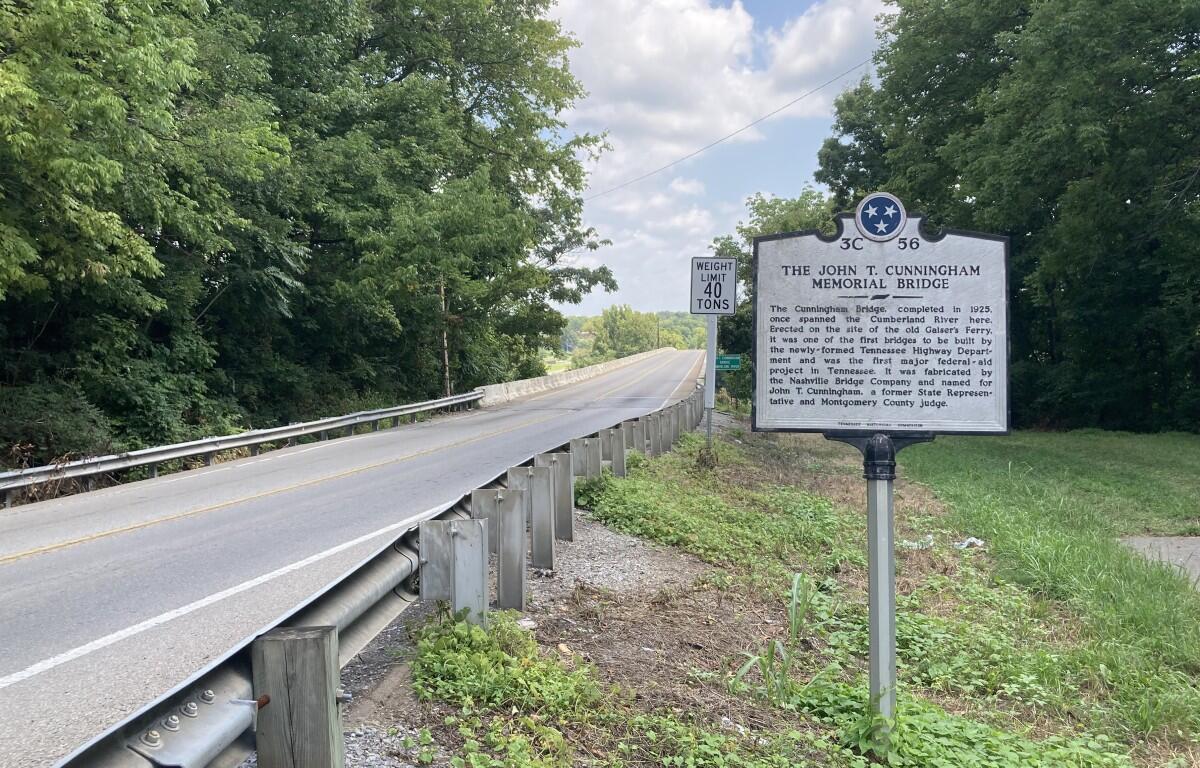
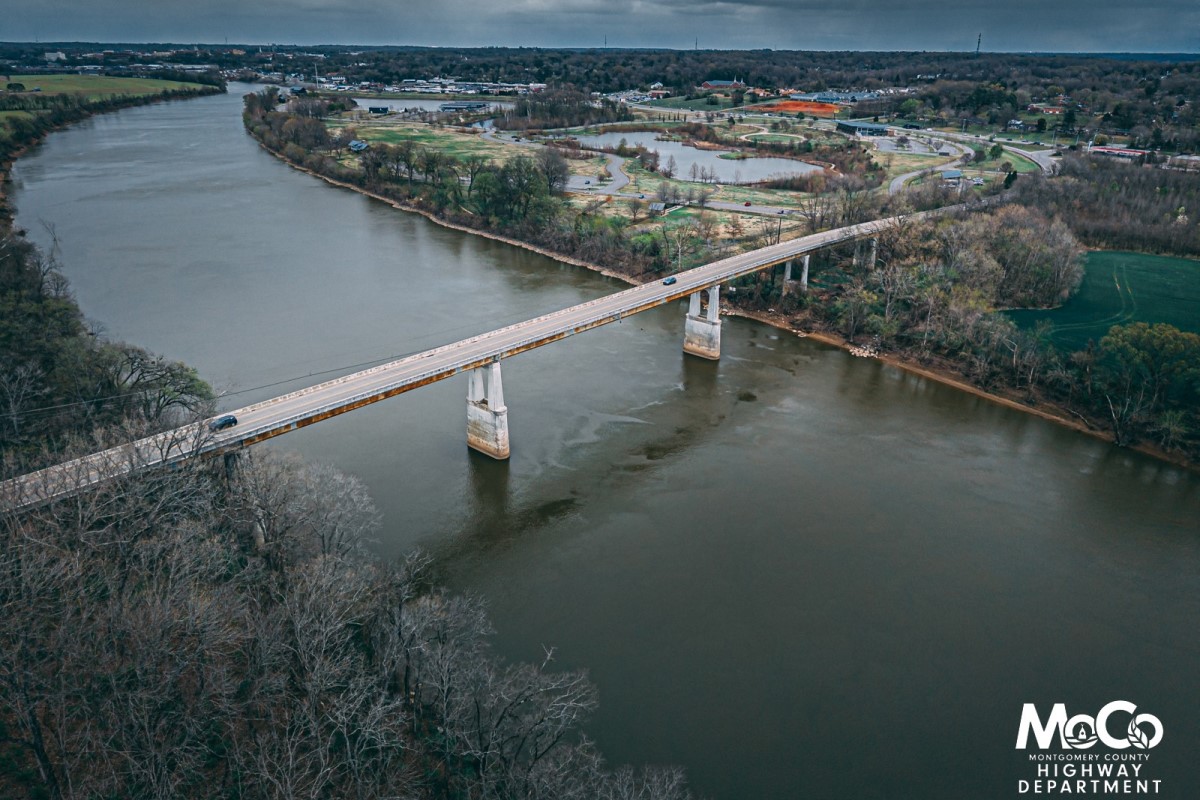
Gov. Bill Lee’s budget includes $40 million to improve the Cunningham Bridge, which carries Zinc Plant Road over the Cumberland River.
Several studies are under way of the bridge and nearby roads to determine what needs to be done to ensure the bridge can handle the additional volume and weight of tractor-trailer traffic, according to Joshua Peltz with the Montgomery County Highway Department. Depending on what the studies show, that could mean replacing the bridge, strengthening the bridge, or even building an additional bridge, he said.
The state also kicked in a $45 million FastTrack economic development grant to Crucible Metals for site development.
| NEWS TIPS: Do you have a local news tip? Email news@clarksvillenow.com or call us at 931-648-7720.
5. Additional $5M in annual tax revenue coming
Crucible chose Montgomery County over two other national finalists, and the PILOT (payment in lieu of taxes) deal that we offered was part of that. The performance-based incentive gives Crucible a break on Montgomery County property taxes, phasing them in over 20 years.
How will that play out? During the three-year construction period, Crucible will pay the same as what Nyrstar was paying – so there’s no loss of existing tax revenue. Once the plant is complete, however, the 20-year PILOT kicks in, and Crucible will begin paying county property taxes in gradually rising percentages, starting at about $5 million per year.
The totals are estimates only, and it depends on how a global-scale smelter is appraised as “property.” In all, Crucible Metals will pay an estimated $288 million in property taxes during the 20-year PILOT:
- 2026: Same as current ($252,000/year)
- 2027: Same as current
- 2028: Same as current
- 2029: 10% of tax amount (estimated over $5 million/year), then rising 5% per year
- 2037: 50%, then rising 10% every 2 years
- 2049 (end of PILOT): 100%
By the time the PILOT matures in 2049, Crucible will be paying 100% of the property tax amount, estimated at $31 million per tax year.
6. Cleaner facility, higher standards
The existing zinc plant opened in 1978 as the Jersey Miniere Zinc Refinery, and it was once the only zinc smelter operating in the United States.
But a lot has changed over the last 50 years, including both technology and environmental standards. The new smelter will adhere to updated Tennessee Department of Environment and Conservation regulations. With the old smelter being shuttered, Clarksville should come out with both a much larger facility and one that operates more cleanly.
Crucible Metals owner Korea Zinc appears to have a strong environmental record for its Usan Smelter in Korea. The company invested $108 million in environmental facilities over the past five years, according to a company news release. The company says its goal is for its flagship Usan Smelter to be “the world’s most eco-friendly smelter.” Clarksville Now has reached out to the company for additional information.
| GET YOUR LOCAL MORNING NEWS: Sign up for our free daily email newsletter.