


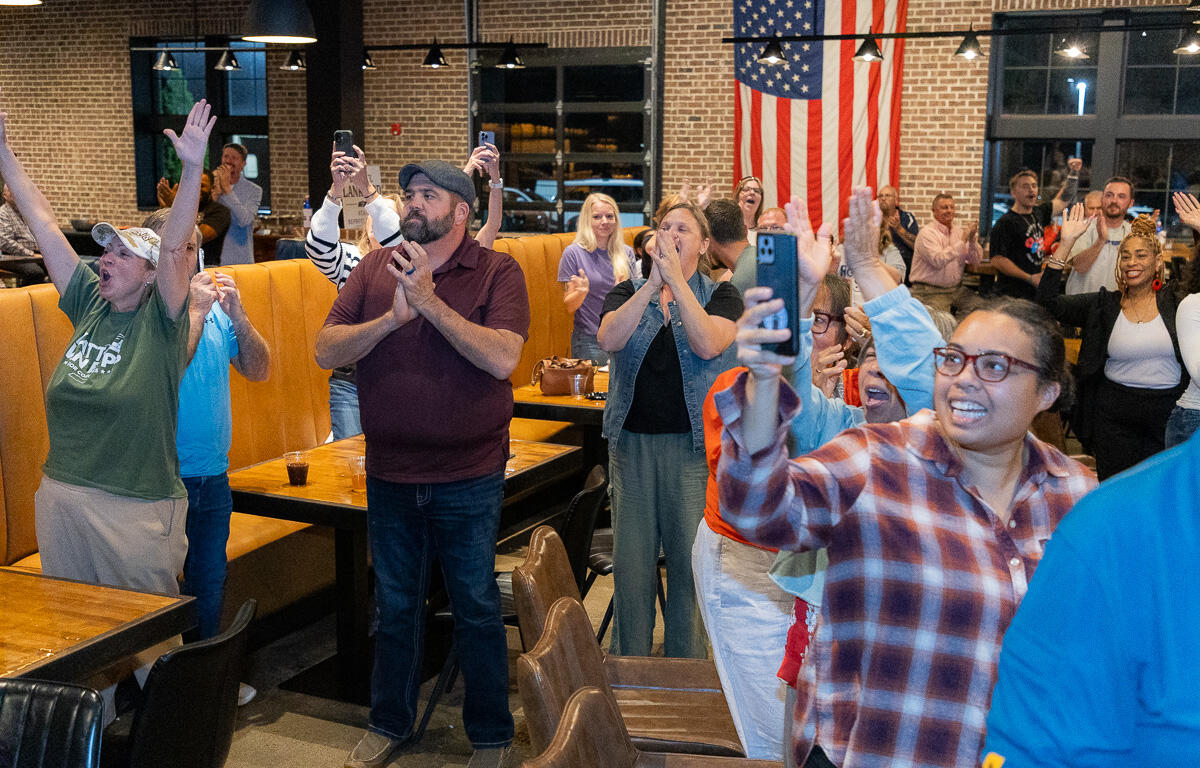

CLARKSVILLE, TN (CLARKSVILLE NOW) – Tuesday night’s Clarksville and State General Election brought historical local realignments, split results between city and state races, and a jump in local voter turnout. Here are four highlights from election night in Montgomery County.
1. Clarksville mayor: Riggins secures plurality in tight 3-way race
Mark Riggins won the city’s tight mayoral race with 44.6% of the vote against his opponents Wanda Smith and Brian Zacharias. Smith trailed closely behind the mayor-elect with 41.8% of the votes, leaving just over 1,000 votes between the candidates.


Dr. David Kanervo, emeritus political science professor at Austin Peay State University, told Clarksville Now the results indicate an electorate seeking change, but divided on leadership.
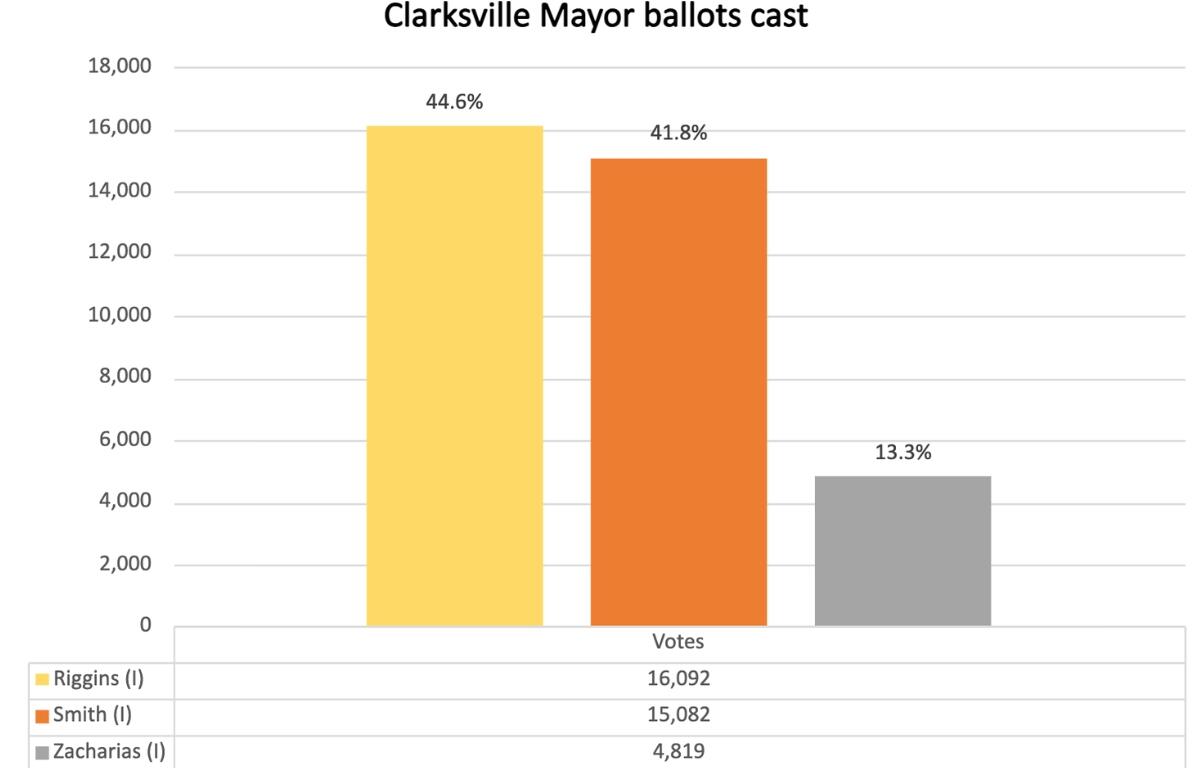
Kanervo noted that Riggins won with a “plurality rather than a majority” and that he did not get a majority of voters behind him. “That’s somewhat of an issue I think because it weakens his ability to declare himself perhaps as a leader for the city,” he said, “because most people voted otherwise.”
Kanervo added the support Smith gained was surprising. The Riggins campaign had a scare with the release of the results of early and absentee votes, in which Smith carried the lead. As soon as precinct-level results began being released, however, the margin shifted to Riggins.
| MORE: ‘Time to move Clarksville ahead, together’: Riggins wins tight mayor’s race


2. Governors race: Blackburn wins state, but Green carries Montgomery County
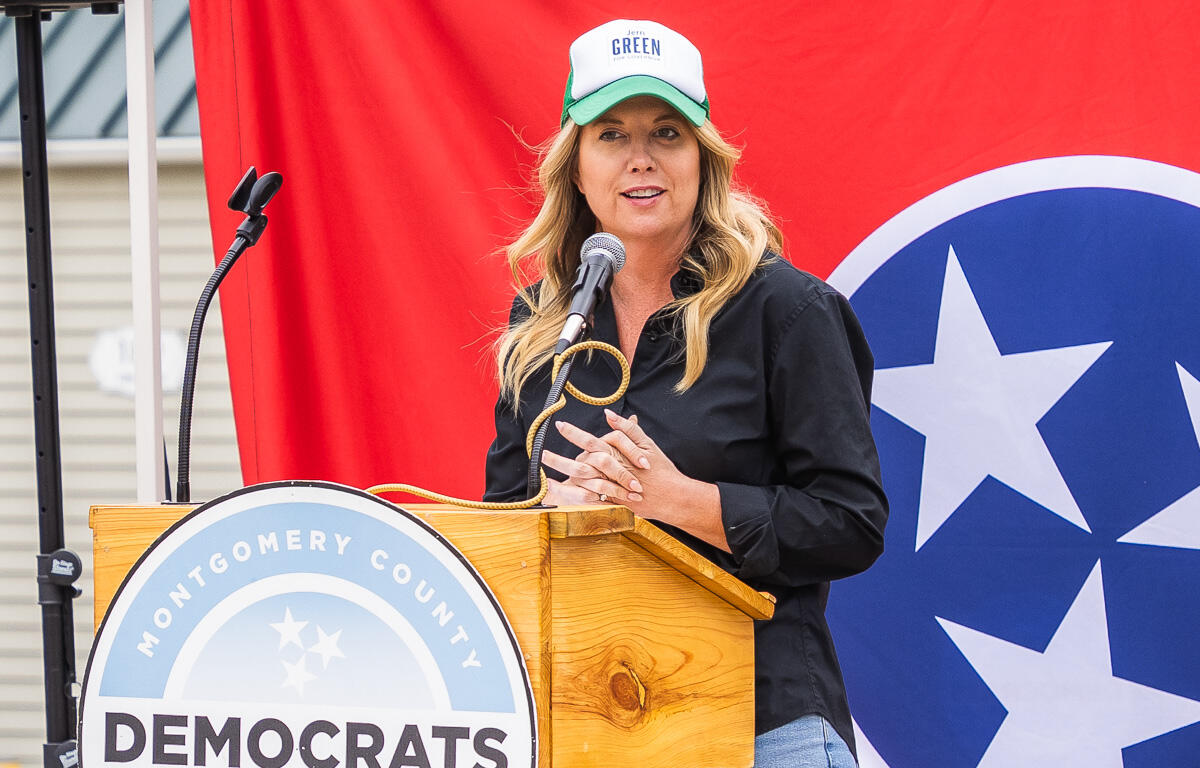
U.S. Sen. Marsha Blackburn is now the first woman to be elected governor of Tennessee, winning with 45.5% of the vote statewide. Democratic nominee Jerri Green trailed her with 42% of the vote. However, in Montgomery County, Green received the most support with over 3,700 more votes than Blackburn.
Kanervo pointed to Montgomery County’s rapid growth as a possible explanation, noting that people relocating here and military residents could be creating “a different mix” in this county compared to neighboring ones. “It seems to me that it’s changing the makeup, at least a little bit, of the county,” he said. “It might also mean that the people who already lived here are becoming more involved. … As a result, I think we are just simply getting a bigger percentage of the vote in this county through our Democrats.”
Kanervo added that much of the gubernatorial vote was driven by “pocketbook issues” and a lack of access to some services. He pointed to the rising prices for housing, food, and gasoline. Kanervo noted statewide issues like healthcare availability and costs were also major factors. “We know in Tennessee, generally, in rural areas we have had a lot of hospital closings,” he said. “We are one of 10 states that did not engage in the Medicaid expansion that was available nationwide.”
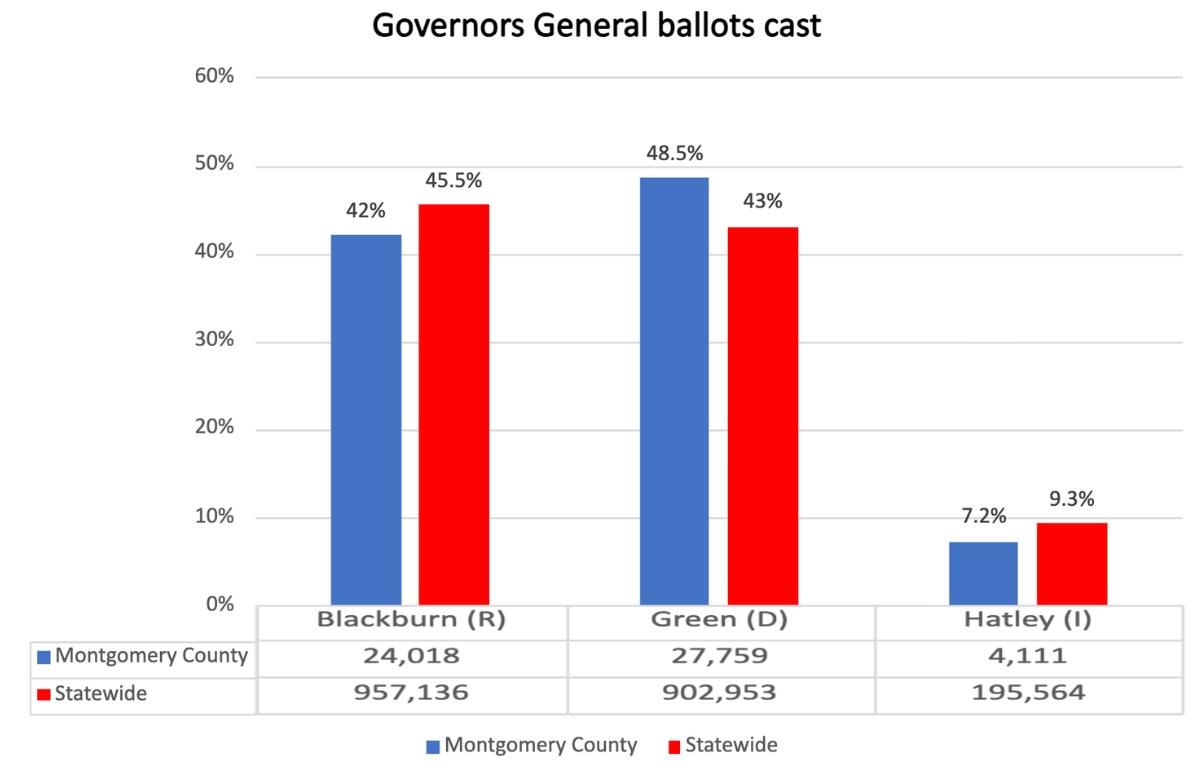
There was also a notable voter trend across the local precincts in Clarksville-Montgomery County. In many of the precincts where Blackburn got the most support, independent candidate David Hatley also saw a rise in votes. Comparatively, in most of the precincts where Green gained the most votes, there was less support for Hatley.
Kanervo noted that Hatley is from East Tennessee, which tends to lean Republican. “It’s very likely that Hatley pulled perhaps a few more voters from Blackburn than from Green,” he said. “Though at the same time, if there’s an anti-Blackburn vote, then Hatley would have contributed to Green perhaps losing some of that anti-Blackburn vote.”
Kanervo said he was surprised that Hatley did not garner some more votes given the amount of advertising he did, adding that Hatley’s criminal record could have stopped more voters from supporting him. “We are a two-party state, and it’s not unusual for independents to not pull as many votes as you might expect,” he said. “At the same time, he spent a lot more money on advertising than certainly the average independent would.”
Ultimately, Kanervo said the gubernatorial numbers reflect a broader electorate signaling a desire for changes across both local and national platforms. “If we look nationally or statewide, to a great degree, this was an election about wanting some change to occur,” he said. “And despite the fact that Jerri Green and other Democrats lost, they were pretty competitive.”

3. State House: Democrats flip District 75, Republicans keep ‘overwhelming majority’
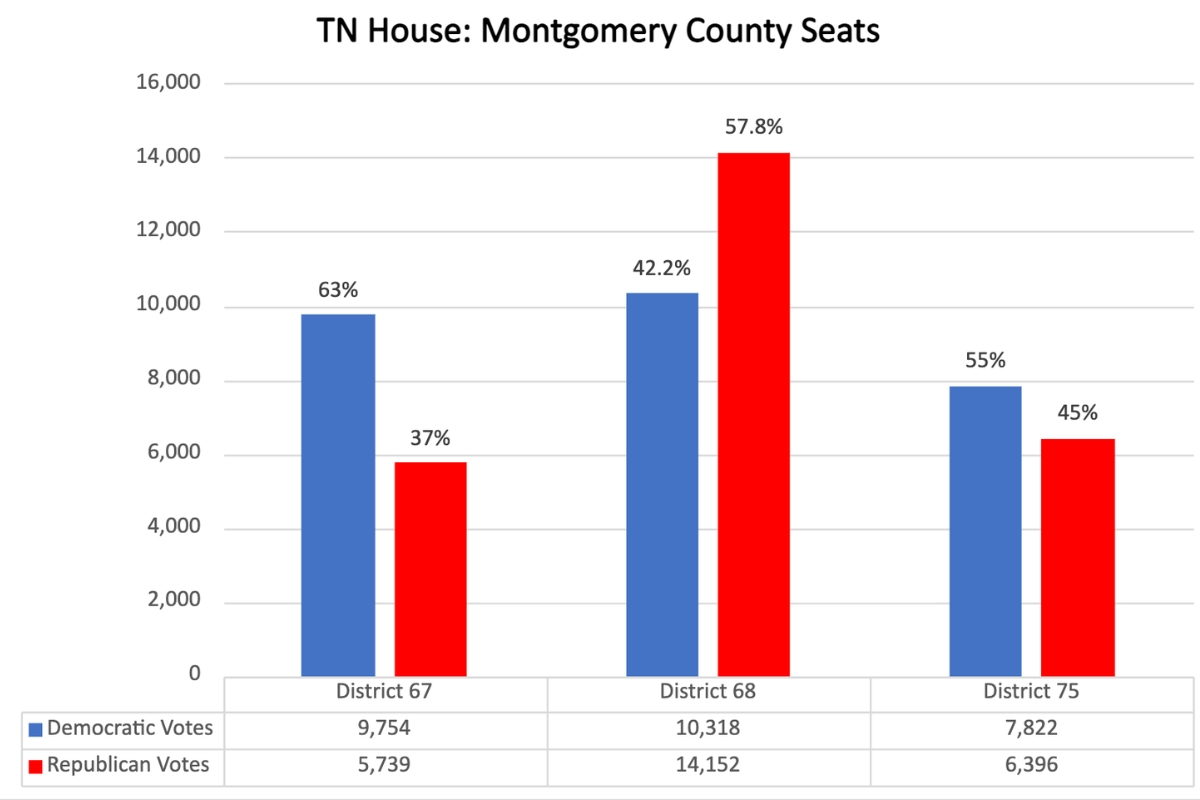
In Tennessee House District 75, Democrat Allie Phillips unseated Republican incumbent Michael Lankford. Phillips received 55% of the vote to Lankford’s 45%. “I suspect in that particular neighborhood in Montgomery County, that it was a more balanced neighborhood between the two parties,” Kanervo said. He added that area of the county is closer to Fort Campbell and said there may be more Democrats residing there now.
| MORE: ‘My door will always be open’: Phillips flips state House District 75 seat
With Phillips’ win, Democrats gained a seat in the state House. But Kanervo noted that overall, Republicans lost very few seats in the Tennessee General Assembly. “So the Democratic gains of perhaps two or three seats really is not going to make a difference in the General Assembly,” he said. “It is still overwhelming Republican.” He added that because of this, Democrats will likely not have a great deal of impact in the legislature.
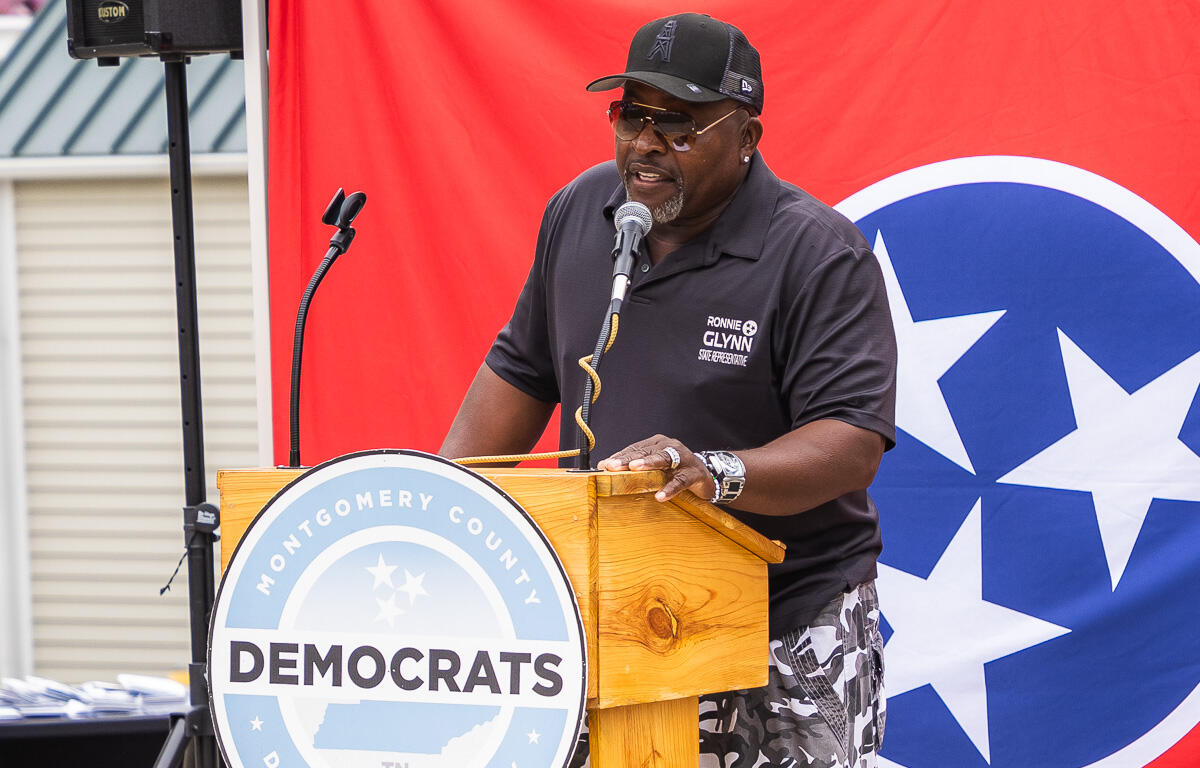
Meanwhile, in District 67, Kanervo said Democratic Rep. Ronnie Glynn solidified his support on election night and gained a large margin of victory. Glynn defended his seat, gaining 63% of votes, while his opponent Chris Lanier garnered 37%. “I think (Glynn) has represented his district well, but it’s a night where people who were more Democratic leaning simply got out and voted,” he said. “So he was specifically able to pull a larger portion of people who were Democratic voters, and people who were independents and angry at Republicans.”
| MORE: ‘I run for other people’: Glynn re-elected for third term in House District 67

In District 68, incumbent Republican Rep. Aron Maberry defended his seat against Democratic challenger Garfield Scott. Maberry captured 57.8% of votes to Scott’s 42.2%. Kanervo said the urban core of Clarksville is more Democratic with a larger minority population, while Maberry’s district includes more traditional Republicans. He noted that Tennessee’s maintained its Republican status through this election cycle more so than other states. “Unlike states like Texas and Mississippi, where Democrats had some unexpected gains, Tennessee seemed to be pretty solidly Republican for the most part,” he said.
| MORE: ‘I look forward to continuing the work’: Maberry wins re-election in House District 68
Despite maintaining supermajority control, Kanervo said Republican lawmakers will still face pressure from voters to address quality of life concerns moving forward. “I think the fact that Republicans maintained their majority of seats … in a sense forces the legislature to show that they are going to do things that are helpful to people,” he said. “It seems to me that for the Republicans to maintain their leadership, to maintain their majority status, they have to start doing things that are going to solve problems.” Kanervo pointed to road infrastructure, traffic congestion, healthcare and public schools as issues needing more attention.
4. Voter turnout: Montgomery County sees jump from 2022
Voter turnout in Clarksville-Montgomery County for the election was 36.15% with over 57,000 votes cast. That’s significantly higher than in the most recent similar midterm election in November 2022, which had 29.78% voter turnout. This election cycle still fell short of the similar November 2018 results, which ended with 47.77% turnout.
Kanervo said, traditionally, Tennessee has had the lowest turnout in the country with Montgomery County having the lowest in the state. He also noted that local turnout increases closely mirrored national patterns of voter engagement and that many voters are upset about inflation rates. “It’s a good thing to have as many people participate as possible,” he said. “I suspect the turnout increase in this county was similar to what brought out more people nationally. And that was a dissatisfaction with our current situation as a country, as a state and county.”
While the local outcome produced some mixed victories for both sides, Kanervo emphasized that increased voter engagement and two-party competition ultimately strengthen the political process. “One thing that I like to see is that both parties were competitive in this race,” he said. “The Democrats, while they didn’t win, nevertheless had a better showing than they had in previous years. … I think nationally, two competitive and strong parties are important because it helps democracy.”
| BREAKING NEWS PUSH ALERTS: Sign up for our free Clarksville Now app