



Clarksville Now publishes opinion pieces representing both sides of a variety of topics. Opinions presented do not necessarily reflect those of the newsroom or management. To join the conversation, email your opinion piece to news@clarksvillenow.com.
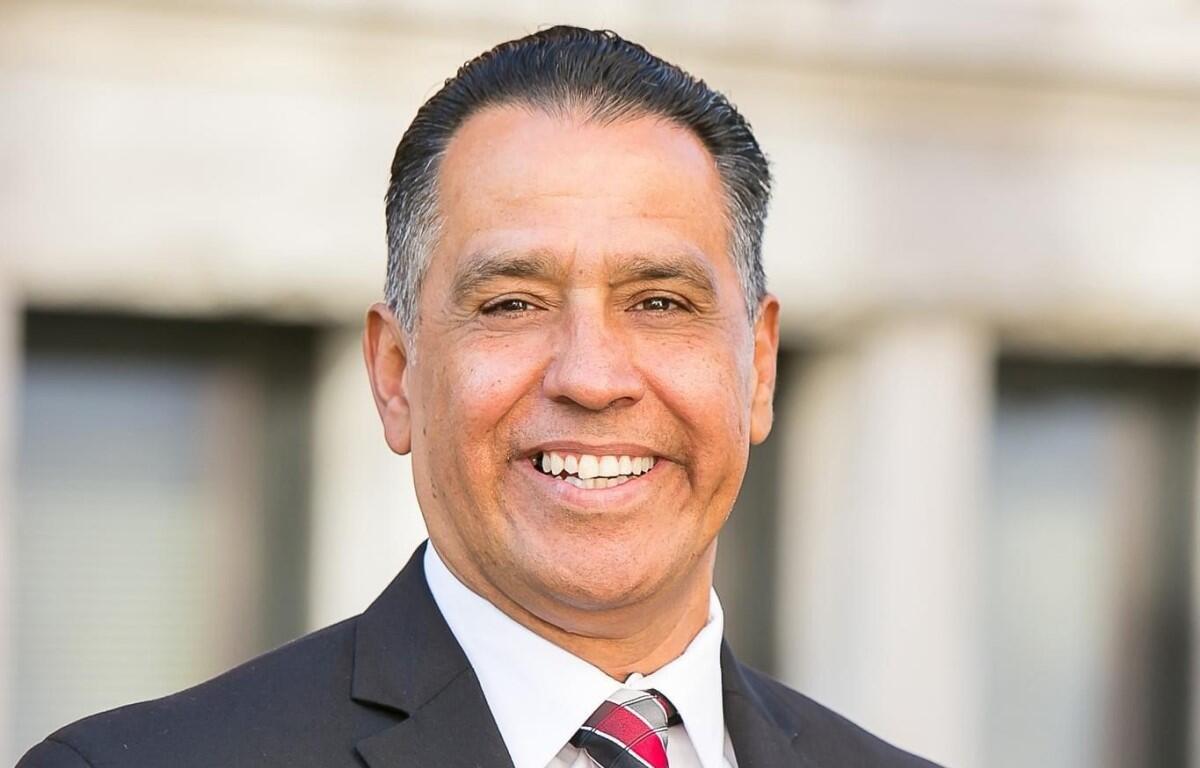
Contributed commentary from the Executive Director & Co-Founder of Latinos for Tennessee Tommy Vallejos:
As a pastor in Clarksville, I understand that tax-exempt status is not simply a financial benefit, it reflects public trust and comes with a responsibility to the people around us. Churches receive that privilege because we are expected to serve, to be good stewards and to live up to the mission we claim. Nonprofit hospitals should be held to the same standard.
This is becoming increasingly important as healthcare grows painfully expensive for Tennessee families. A routine procedure or short hospital stay can leave a family with a bill that takes months, sometimes years, to pay off. Millions of Americans carry medical debt as a result. Yet, many of the hospitals sending those bills are nonprofit institutions that pay no federal, state or local taxes.
That tax exemption represents a substantial investment by the public. In exchange, nonprofit hospitals are expected to provide charitable care and meaningful benefits to the communities they serve. But too often, the public is not getting enough in return.
A shocking 80 percent of nonprofit hospitals gave back less than the value of the tax breaks they received, a gap totaling $25.7 billion nationwide. Meanwhile, the average hospital CEO earns around $600,000 a year.
I do not begrudge anyone a good salary for difficult work. Running a hospital is complicated. But stewardship requires us to ask what an institution does with the resources and privileges it has been given. If an institution wants to operate like a major corporation, pay executives like a major corporation, and charge patients like a major corporation, taxpayers have every right to ask what distinguishes it from one, and what they are receiving in return for subsidizing it.
The stakes are particularly high as hospitals sit at the center of America’s health-cost problem. Hospital care accounts for over one-third of healthcare spending in the United States. Hospital prices have climbed more than 250 percent since 2000, outpacing almost every other sector.
The doctors and nurses caring for patients are not the problem. Most of them are doing difficult work under enormous pressure. Many see their work as a calling to care for people at their most vulnerable. The problem is that the institutions around them do not always exhibit that same commitment to service, transparency and accountability. Large hospital networks have become more powerful, less transparent and less accountable to the people paying the bills.
This issue persists in Tennessee. Federal regulators have cited 16 Tennessee hospitals for falling short of meeting federal price transparency laws, with eight ordered to submit plans to correct the problem.
Three of those 16 are Ascension Saint Thomas facilities, including facilities in Nashville and Waverly. That is disappointing. Families deserve to know what something costs before agreeing to pay for it. We would never accept a contractor refusing to give us a price until after the work was done. A hospital bill may be more complicated, but that does not make transparency any less important.
Affordability also requires competition. When large hospital systems consolidate and patients have fewer alternatives, families lose leverage and prices can rise. Hospital-stay costs have risen between 11 and 54 percent in some markets following mergers.
Tennesseans should not have to choose between access to care and affordable care. We need both.
In the Volunteer State, there are practical ways to move in that direction. Legislators would be smart to make hospitals post real, usable prices before patients receive care. Remove barriers that keep clinics, surgery centers and independent physicians from competing. If a hospital wants the enormous financial benefit of nonprofit status, require it to clearly show the public what it is providing in return.
I spent eight years as a Montgomery County commissioner and served on the board of a community health center for uninsured and underinsured Middle Tennesseans. I have also spent years in ministry, where service is not a slogan, but an obligation. I have seen the enormous benefits of institutions that remember who they serve.
There is nothing anti-hospital about demanding accountability. Hospitals are essential to our communities. So are the taxpayers who support them and the families who walk through their doors.
The principles of the pulpit are the same that should apply to our nonprofit hospitals. When a community entrusts an institution with special privileges, that institution has a duty to be a faithful steward of them.
If an institution calls itself a charity, it should serve like one. Tennesseans deserve nothing less.
Tommy Vallejos