



Sleep disorders cause many different problems, and they are more common than most people realize. Dr. Jennifer J. Cornell, DDS, at Dental Sleep and TMJ Solutions of Clarksville has answers to some of your questions about conditions that prevent you from getting a good night’s sleep.
Question: How do I know if I’m a good candidate for an oral appliance to treat my sleep apnea?
Answer: Sleep apnea is far more than loud snoring. It’s a serious medical condition that affects breathing during sleep and can impact your heart, brain and overall quality of life. Many patients are familiar with CPAP therapy, but fewer realize that oral appliance therapy, provided by a specially trained dentist, is an effective alternative for many people. So how do you know if you’re a good candidate?
First, what is an oral appliance?
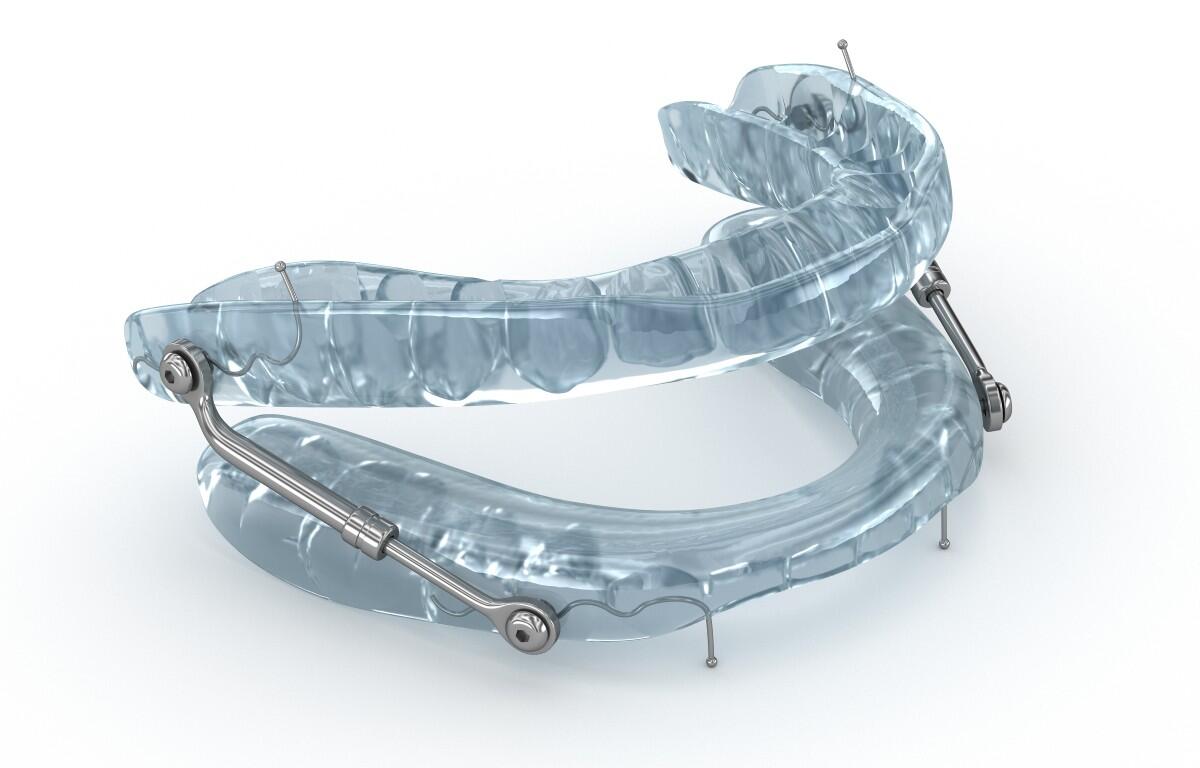
An oral appliance is a custom-made dental device worn during sleep. It gently repositions the lower jaw and tongue forward to help keep the airway open. Unlike bulky machines or masks, oral appliances are small, quiet and portable, making them an appealing option for many patients.
You may be a good candidate if:
- You have mild to moderate obstructive sleep apnea: Oral appliances are most commonly recommended for patients with mild to moderate obstructive sleep apnea (OSA). In some cases, patients with severe OSA who cannot tolerate CPAP may also benefit, under the guidance of a sleep physician.
- You struggle with CPAP therapy: Many patients are prescribed CPAP but find it uncomfortable, noisy, or difficult to tolerate. If CPAP hasn’t worked for you – or you simply can’t sleep with it – oral appliance therapy may be an effective and more comfortable alternative.
- You snore loudly or your partner reports breathing pauses: Chronic snoring, gasping or choking sounds during sleep can indicate airway collapse. Oral appliances are particularly effective in reducing snoring and improving airflow.
- You feel tired despite a full night’s sleep: Morning headaches, brain fog, daytime fatigue, irritability or difficulty concentrating can all be signs of untreated sleep apnea, even if you don’t realize your breathing is disrupted at night.
- You have the right oral and jaw health: Candidates typically have healthy teeth and gums and enough jaw mobility to allow safe repositioning. A thorough dental and TMJ evaluation is essential to ensure treatment won’t cause or worsen discomfort or joint problems.
What about sleep apnea diagnosis?
A dentist does not diagnose sleep apnea alone. Diagnosis is made through a sleep study – either at home or in a sleep lab – and treatment is coordinated with a sleep physician. This collaborative approach ensures both medical safety and long-term success.
What happens during an evaluation?
A comprehensive evaluation includes:
- Review of your sleep study and symptoms.
- Airway and facial assessment.
- Digital scans of your teeth and bite.
- Jaw joint (TMJ) and muscle evaluation.
If an oral appliance is appropriate, it is custom-designed specifically for you; this is not a “boil-and-bite” or one-size-fits-all solution.
Does insurance cover oral appliances?
In some cases, medical insurance (not dental) covers oral appliance therapy for sleep apnea. Coverage varies from plan to plan and state to state. If there is no insurance coverage, there are affordable payment arrangements that can be made.
An appliance is not just about purchasing the custom piece of plastic but also includes the titration period of typically 90 days and communication with the sleep physician to ensure optimal position and care of the patient. Considering the costs of not treating your sleep apnea versus the out-of-pocket costs for CPAP machine maintenance, an oral appliance is an affordable investment with no recurring monthly fees. A well-made appliance, if taken care of, can last you on average 5 to 10 years.
Bottom line on oral appliance therapy
If you’ve been diagnosed with sleep apnea – or suspect you may have it – and are looking for a comfortable, effective alternative to CPAP, oral appliance therapy may be an excellent option. The key is a personalized evaluation by a dentist with additional training and certification in dental sleep medicine, working in collaboration with your physician.
Better sleep isn’t just about feeling rested; it’s about protecting your long-term health.
Jennifer J. Cornell, DDS, is a diplomate of the American Board of Dental Sleep Medicine. For more, visit the Dental Sleep and TMJ Solutions of Clarksville website or call 931-645-8000.