


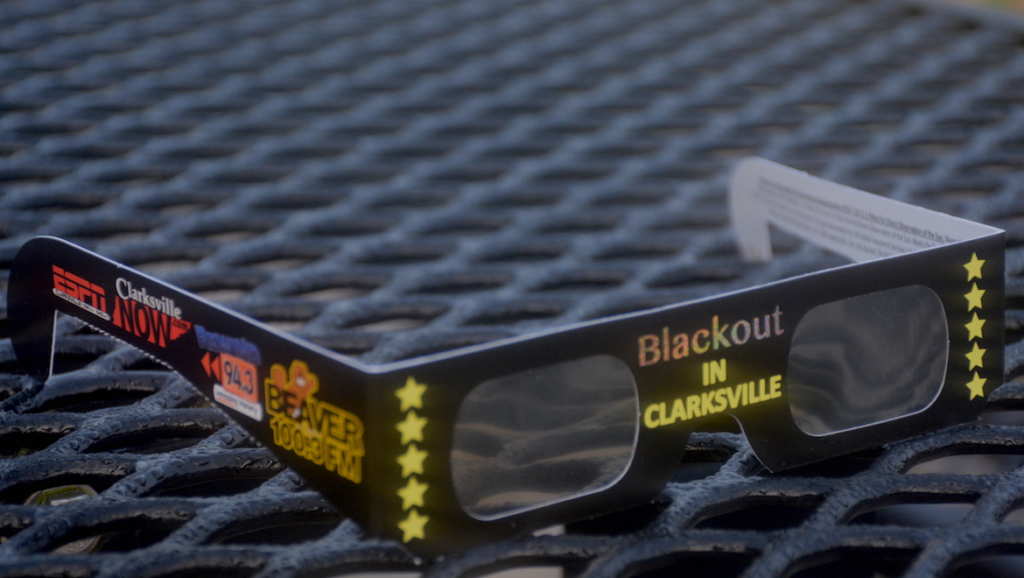

CLARKSVILLE, Tenn. (CLARKSVILLENOW) – During the solar eclipse on Aug. 21, onlookers will want to document the historic event with photos and videos. In addition to the necessary protective eclipse glasses, it is also important to protect your eyes from the sun through the lens of a camera, as well as protecting the camera itself from damage.
How can I photograph a total solar eclipse?
You will need to purchase a solar filter that will reduce the brightness of the sun so that the light intensity does not destroy your camera. If you only take a photo at the moment of total darkness, you will not need this filter.
Can I photograph the eclipse with my smartphone?
Yes, but you must be careful that you minimize glimpsing the bright sun with your eyes without the benefit of a proper filter. Unless you have a telephoto lens for your smartphone, you will only be able to take unmagnified images of the eclipse in your sky. With most smartphone cameras, you will easily be able to capture the darkened disk of the moon surrounded by a clearly recognizable bright solar corona.
RELATED NASA issues safety alert regarding eclipse glasses
What kind of filter do I need for my phone?
There are many styles of telephoto lenses for smartphones. Avoid the clip-on lenses because they slip and must be precisely lined up on the camera lens to work. They are often of low optical quality. The best lenses are rated as 12x and above, and come with their own smartphone mounting bracket. A decent 12x lens and tripod adapter will cost you about $30.00. The telephoto lens will give you enough magnification that you will clearly see some of the details in the bright corona.
When can I see the next total solar eclipse from North America?
After the eclipse on August 21, 2017 the next one visible will be on April 8, 2024 which will track northeast from Texas to Maine.
Read more about the Total Solar Eclipse.
Information provided by NASA